


Why Brain White Matter Is Gaining Global Attention Now
In recent months, the term "Brain White" has gained massive popularity, from viral TikTok videos to mainstream headlines. While it may seem like a new buzzword, it refers to an essential part of the brain—white matter. Though once overshadowed by the more famous gray matter, recent research and social media trends have made white matter a hot topic among health enthusiasts, influencers, and researchers.
What sparked this surge in interest? Groundbreaking research, increased awareness of neurological health, and social media's role in mental health discussions. From fitness influencers to neuroscientists, many are highlighting how white matter impacts cognitive abilities, emotions, and daily life.
The rise of white matter awareness reflects a larger cultural shift toward understanding the brain's complexities. Let’s explore why "Brain White" is so important and why it’s capturing global attention.
The Science Behind Brain White
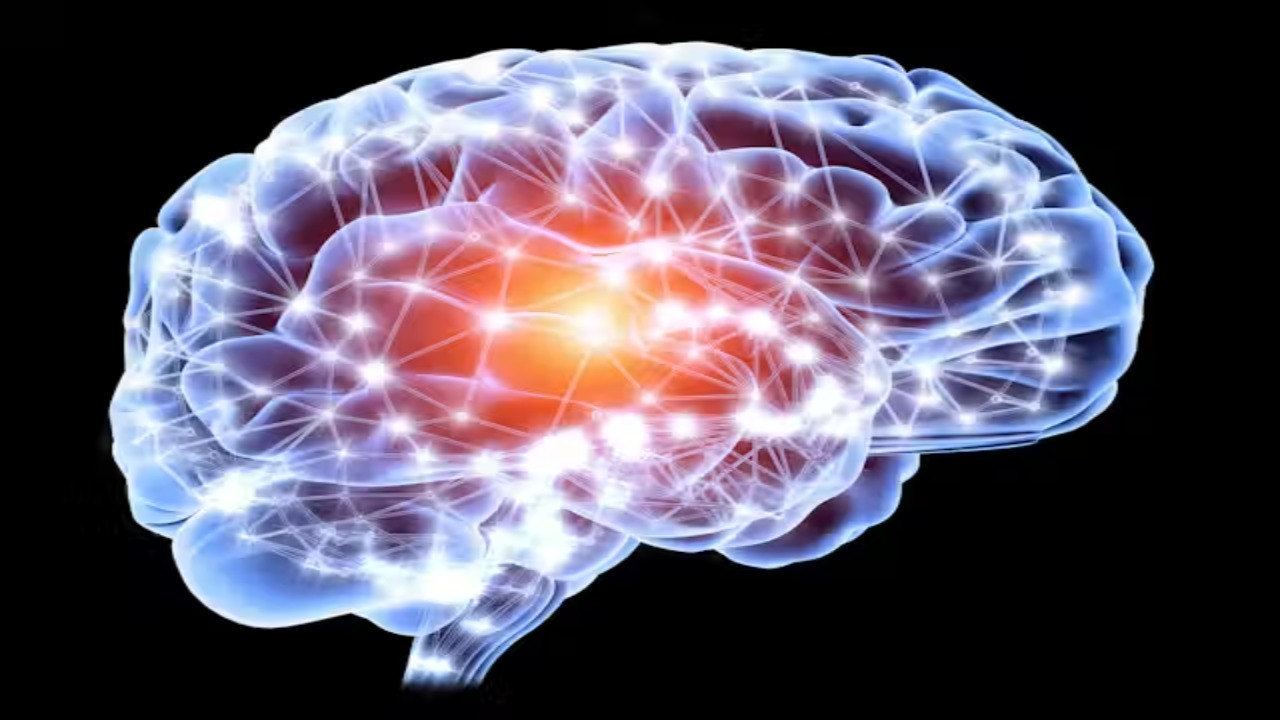
When people think of the brain, they often picture the wrinkled, gray surface associated with thinking, learning, and memory. However, another crucial component, white matter, consists of nerve fibers that connect different brain regions and enable communication between them.
Think of white matter as the brain’s highway system. While it doesn't directly handle thinking, it allows various parts of the brain to work together efficiently. White matter is mainly composed of myelin, a fatty substance that insulates nerve fibers and speeds up electrical impulses, ensuring rapid signal transmission.
For years, scientists focused on gray matter, the region responsible for processing information. Recent studies, however, show that white matter plays a more vital role than previously understood. Its health is now linked to cognitive functions like memory, learning, and decision-making. This shift has led to a growing focus on white matter in brain health discussions.
So, why the sudden surge in attention? Research reveals that white matter can deteriorate with age, disease, or poor lifestyle choices, causing issues like memory loss and cognitive decline. As a result, people are becoming more aware of the need to maintain healthy white matter.
Trending Concerns: White Matter in Brain Symptoms
So, how can one identify if the white matter in the brain is deteriorating? Well, there are several white matter in brain symptoms that people should watch out for. These include cognitive issues such as memory loss, difficulty concentrating, and slower mental processing speeds. Emotional symptoms like mood swings, depression, and anxiety can also signal problems with white matter health.
Health influencers and neuroscientists alike have been raising awareness about these symptoms. Social media platforms like TikTok and Instagram have become key spaces for individuals to share their personal experiences with cognitive decline, particularly in relation to white matter. For example, individuals discussing their struggles with brain fog have mentioned how their doctors highlighted the impact of damaged white matter in their diagnosis.
The connection between mental health and white matter in the brain is also gaining attention. Experts are now linking the deterioration of white matter to common issues like depression and anxiety. This connection has led to greater advocacy for brain health and has made the public more conscious of how important it is to protect the brain’s white matter.
Fixing the Brain: How to Repair White Matter in the Brain
With the rise of online discussions about brain white matter, advice on how to repair it is everywhere. From nootropic supplements to cognitive exercises, everyone has their "secret" for improving brain health. But what actually works?
Research supports some remedies, such as a healthy diet, regular exercise, and proper sleep to maintain white matter integrity. For example, omega-3 fatty acids found in foods like salmon and walnuts help protect white matter from deterioration. Exercise also stimulates myelin production, which promotes white matter health.
However, many "quick fixes" for white matter repair are misleading. It's important to rely on evidence-based practices like proper sleep, stress management, and brain-boosting activities, such as puzzles or learning new skills.
Researchers are also exploring treatments like stem cells and neurogenesis therapies for direct white matter repair, but until they become widely available, the best approach is still a balanced lifestyle.
Cultural Shift Toward Brain Health
The growing trend of focusing on brain health is part of a larger cultural shift. For years, wellness trends have revolved around physical fitness and external appearance, but now, there’s a clear emphasis on internal health—particularly brain health. Influencers, health coaches, and thought leaders are increasingly discussing how to take care of the mind in the same way we take care of the body.
Podcasts and online platforms are now filled with experts offering advice on brain function, mental clarity, and cognitive health. Public figures and influencers are promoting the idea that "taking care of your brain" should be as routine as working out or eating healthy. This cultural shift is reshaping how we view our brains—not just as an organ, but as something that requires ongoing care and maintenance.
Conclusion: Brain White Isn’t Just a Trend – It’s a Wake-Up Call
The surge of interest in "Brain White" is more than just a trend—it’s a wake-up call to rethink how we approach brain health. While it's easy to get caught up in the excitement of a new viral topic, the conversations surrounding white matter in the brain reflect a deeper understanding of how our mental and cognitive health affects every aspect of our lives.
As research continues to unfold, it's clear that taking care of our brain’s white matter is crucial for maintaining cognitive function, mental clarity, and overall well-being. Whether it’s through diet, exercise, or new medical treatments, the key is to stay proactive and informed about how to repair white matter in the brain before problems arise.
So, the next time "Brain White" pops up on your feed, remember—it’s not just a passing fad. It’s an important reminder to take care of the brain in ways that we may have overlooked in the past. For more in-depth insights on how to protect your brain’s health, explore our related articles and stay updated on the latest research.
For more on how peptides are advancing research in brain function, check out this article: Pinealon Peptide: Advancing Research in Cellular and Neural Function.
'%3e%3crect%20y='0.445312'%20width='48'%20height='48'%20rx='24'%20fill='white'%20fill-opacity='0.5'/%3e%3crect%20x='0.5'%20y='0.945312'%20width='47'%20height='47'%20rx='23.5'%20stroke='%23808080'/%3e%3cpath%20d='M34.625%2024.4453L14%2024.4453'%20stroke='%23808080'%20stroke-width='0.920053'/%3e%3cpath%20d='M23.375%2034.4453L13.375%2024.4453L23.375%2014.4453'%20stroke='%23808080'%20stroke-width='0.920053'/%3e%3c/g%3e%3cdefs%3e%3cfilter%20id='filter0_b_489_44344'%20x='-12'%20y='-11.5547'%20width='72'%20height='72'%20filterUnits='userSpaceOnUse'%20color-interpolation-filters='sRGB'%3e%3cfeFlood%20flood-opacity='0'%20result='BackgroundImageFix'/%3e%3cfeGaussianBlur%20in='BackgroundImageFix'%20stdDeviation='6'/%3e%3cfeComposite%20in2='SourceAlpha'%20operator='in'%20result='effect1_backgroundBlur_489_44344'/%3e%3cfeBlend%20mode='normal'%20in='SourceGraphic'%20in2='effect1_backgroundBlur_489_44344'%20result='shape'/%3e%3c/filter%3e%3c/defs%3e%3c/svg%3e)
'%3e%3crect%20y='0.445312'%20width='48'%20height='48'%20rx='24'%20fill='white'%20fill-opacity='0.5'/%3e%3crect%20x='0.5'%20y='0.945312'%20width='47'%20height='47'%20rx='23.5'%20stroke='%23808080'/%3e%3cpath%20d='M13.375%2024.4453L34%2024.4453'%20stroke='%23808080'%20stroke-width='0.920053'/%3e%3cpath%20d='M24.625%2014.4453L34.625%2024.4453L24.625%2034.4453'%20stroke='%23808080'%20stroke-width='0.920053'/%3e%3c/g%3e%3cdefs%3e%3cfilter%20id='filter0_b_489_44344'%20x='-12'%20y='-11.5547'%20width='72'%20height='72'%20filterUnits='userSpaceOnUse'%20color-interpolation-filters='sRGB'%3e%3cfeFlood%20flood-opacity='0'%20result='BackgroundImageFix'/%3e%3cfeGaussianBlur%20in='BackgroundImageFix'%20stdDeviation='6'/%3e%3cfeComposite%20in2='SourceAlpha'%20operator='in'%20result='effect1_backgroundBlur_489_44344'/%3e%3cfeBlend%20mode='normal'%20in='SourceGraphic'%20in2='effect1_backgroundBlur_489_44344'%20result='shape'/%3e%3c/filter%3e%3c/defs%3e%3c/svg%3e)