Recent staff cuts in US National Parks have triggered widespread controversy, raising concerns among visitors, conservationists, and tourism industry stakeholders. These reductions have led to operational challenges, impacting visitor experience, park maintenance, and wildlife conservation. Understanding the scale of these cuts and their implications highlights the urgency of addressing the situation.
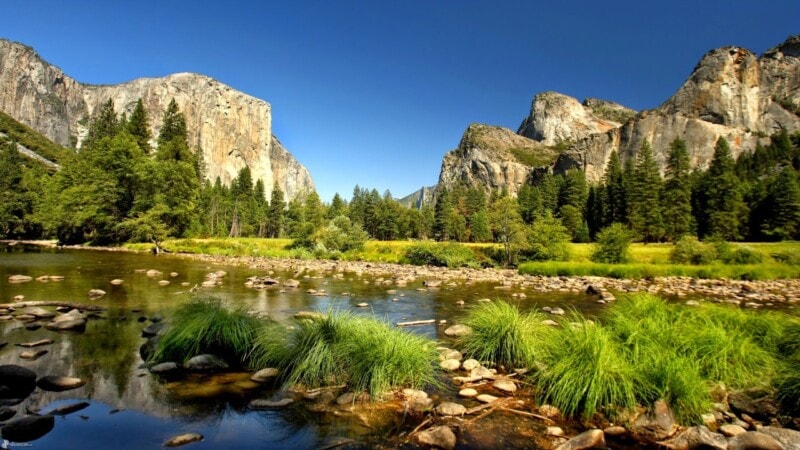
National Parks are a cornerstone of America’s natural heritage, drawing millions of visitors annually. From the towering cliffs of Yosemite to the vast wilderness of Denali, these parks provide unforgettable experiences. However, without sufficient staffing, maintaining these national treasures becomes increasingly difficult, leading to degradation and compromised visitor safety.
The Scale of Staff Cuts & Affected Parks
The largest national park in the US, Wrangell-St. Elias National Park & Preserve, covering over 13.2 million acres, is among those affected by the budgetary reductions. Several other parks, including Yellowstone, Yosemite, and the Grand Canyon, have also reported staffing shortages, leading to operational slowdowns.
Reports indicate that the National Park Service (NPS) has lost over 1,000 employees, with key positions in park maintenance, ranger services, and visitor assistance being eliminated. These cuts have led to an increased workload for the remaining staff, stretching resources thin across some of the top national parks in the US.
Parks like Great Smoky Mountains and Rocky Mountain National Park, which rank among the best national parks to visit in the US, have seen significant reductions in seasonal staff, leading to fewer educational programs and reduced conservation efforts. The strain on these parks is palpable, as fewer rangers struggle to monitor vast areas, making it harder to enforce regulations and ensure visitor safety.
Impact on Visitors & Tourism
Visitors planning trips to the best national parks to visit in the US are encountering unexpected challenges. Staff shortages have resulted in:
-
Longer wait times at park entrances and visitor centers.
-
Limited ranger-led programs, reducing educational opportunities.
-
Unmaintained trails and restrooms, affecting accessibility and cleanliness.
-
Decreased safety monitoring, leading to potential hazards for visitors.
For example, in Yosemite National Park, delays in clearing fallen trees and maintaining hiking trails have frustrated visitors. Similarly, Yellowstone National Park has seen a reduction in guided wildlife tours due to the unavailability of trained rangers. These issues could deter tourists, impacting local businesses that rely on park-related revenue.
Tourism is a crucial economic driver for communities surrounding national parks. The decline in staffing has affected local businesses such as hotels, restaurants, and tour operators. Fewer rangers mean fewer organized events and guided tours, leading to a decline in overall visitor engagement. As a result, businesses that thrive on national park tourism are seeing reduced foot traffic and financial strain.
Conservation & Wildlife Challenges
A well-staffed national park plays a crucial role in conservation. However, with fewer rangers and conservationists on duty, wildlife monitoring efforts have declined. Some of the best national parks to visit in the US, such as Everglades and Denali, are witnessing increased human-wildlife conflicts due to the lack of personnel to enforce safety measures.
Additionally, ecological preservation efforts have slowed down. Rangers play a critical role in preventing illegal activities such as poaching and unauthorized land use. In parks like Grand Teton, staff shortages have resulted in fewer patrols, increasing risks to local wildlife populations.
Many species rely on national parks as protected habitats. Without enough rangers to monitor and manage these ecosystems, vulnerable species face higher risks. For instance, in Everglades National Park, reduced staffing has impacted invasive species control efforts, allowing harmful non-native species to thrive and disrupt the delicate balance of the park’s ecosystem.
Read More: L2: Empuraan First Day Timings Revealed; Mohanlal Appreciates Flash Mob in Times Square
Public & Political Backlash
The response to the US National Park staff cuts has been swift and vocal. Conservation groups, tourism operators, and local communities have raised concerns about the long-term implications. Some of the key developments include:
-
Petitions & Protests: Thousands of visitors and activists have signed petitions urging policymakers to restore funding and staffing levels.
-
Legal Actions: A federal judge in San Francisco recently ruled that some staff terminations violated labor laws, leading to demands for reinstatements.
-
Political Debate: Lawmakers are now debating potential budget adjustments to mitigate the negative effects of the layoffs.
The conversation has even reached Congress, with legislators pushing for emergency funding to address the most critical gaps. Environmental advocacy groups argue that cutting national park staff not only harms the economy but also threatens America’s environmental legacy. Meanwhile, concerned citizens continue to raise awareness through social media campaigns, calling for immediate action.
Possible Solutions & Future Outlook
Addressing the challenges posed by the staff reductions requires collaborative efforts between policymakers, conservation groups, and park visitors. Some possible solutions include:
-
Federal Reinvestment: Restoring NPS funding could help rehire staff and maintain essential services.
-
Community Engagement: Volunteer programs can supplement ranger duties, ensuring that maintenance and conservation efforts continue.
-
Visitor Contributions: Increased visitor awareness and donations to park foundations can provide additional support for conservation projects.
In response to public pressure, discussions on reinstating some laid-off employees have begun. However, the extent of recovery remains uncertain, and continuous advocacy is crucial to ensure sustainable park management.
In addition, some parks have introduced digital self-guided tour apps to compensate for the lack of available park rangers. While technology offers a temporary fix, experts emphasize that it cannot replace the role of experienced park staff in ensuring safety, conservation, and education.
Conclusion
The recent staff cuts in US National Parks have sparked significant concerns about visitor experience, tourism impact, and wildlife conservation. The backlash from the public and conservationists highlights the need for immediate action to restore park services. Ensuring that the top national parks in the US remain well-staffed and maintained is essential for preserving their beauty and accessibility for future generations.
US National Parks have long been a source of national pride, offering breathtaking landscapes, rich history, and unique wildlife experiences. However, without proper staffing and resources, these cherished natural spaces face an uncertain future. With ongoing efforts to reverse the damage, public awareness and action remain vital.
To stay informed about updates on this issue, continue exploring our in-depth reports on US National Parks and their evolving challenges.
For a deeper dive, check out our guide on Travel to US: ‘Blanket ban unlikely, but restrictions could be introduced for Pakistanis’