
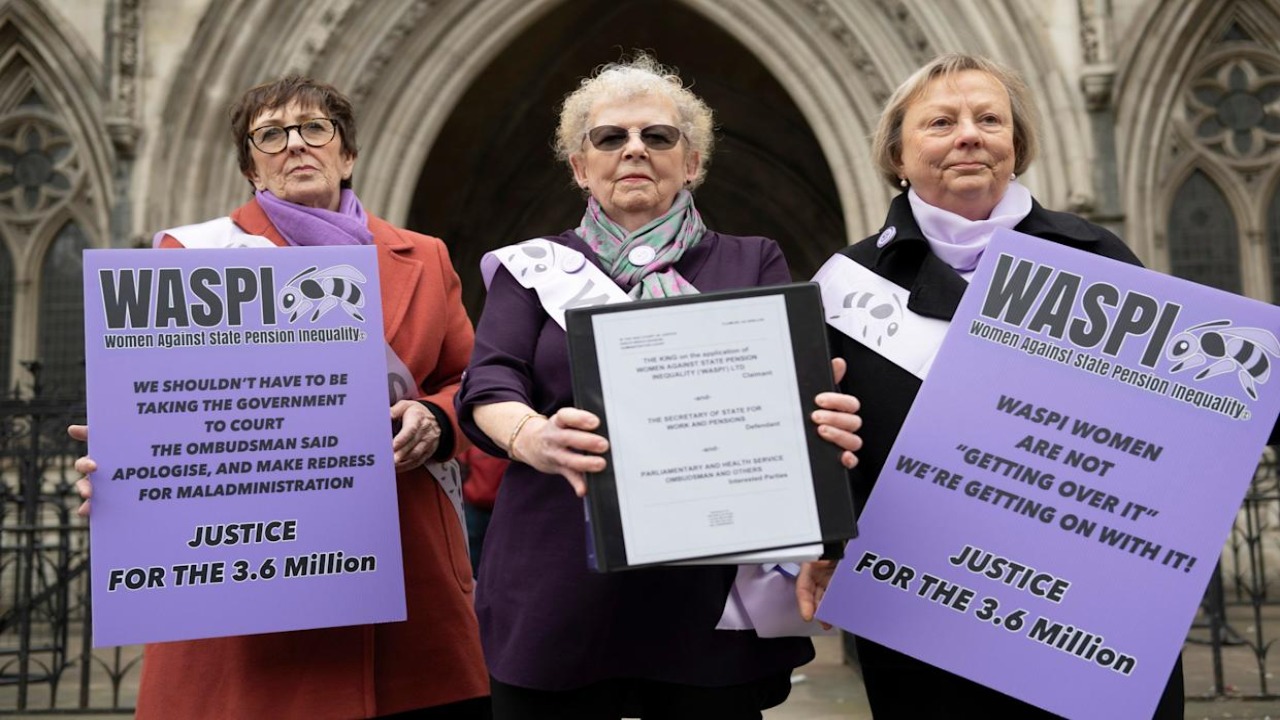


Women Against State Pension Inequality: UK Fairness Fight
Millions of women in the UK are fighting back against what they see as unfair treatment in the state pension system. The Women Against State Pension Inequality (WASPI) campaign highlights how changes to the pension age, with poor communication from the government, have left many 1950s-born women facing unexpected financial hardship. This grassroots movement is not just about money, it’s about justice, accountability, and the right to be informed.
As their legal case gains momentum, their story is sparking global attention, including in the U.S., where retirement rights and pension reforms remain pressing concerns for older generations.
What Is "Women Against State Pension Inequality"?
The phrase “Women Against State Pension Inequality” refers to a campaign led by women born in the 1950s in the United Kingdom. These women formed a group known as WASPI to protest changes in the UK state pension age that deeply affected their retirement plans.
Over 3.6 million women were impacted when the pension age increased from 60 to 66, but many were not properly informed. This sudden change created financial hardship, loss of income, and disrupted lives. Their fight is not just about pensions; it’s about fairness, communication, and accountability.
Why This Matters Even in the United States
Though this is a UK issue, Women Against State Pension Inequality resonates globally. American readers can relate to the concern: How do governments treat retirees, especially women? In the U.S., Social Security remains a hot topic, and movements like WASPI shine a light on how overlooked groups can demand justice.
The Root of the WASPI Debate
Between 1995 and 2011, the UK government gradually increased the state pension age for women to equalize it with men. But the key issue was how this change was communicated.
Many women said they received little or no notice. Some only discovered the increase when they were already approaching retirement age. This left them with little time to prepare financially.
The WASPI debate breaking news today revolves around whether these women should be compensated for the poor communication and the hardships that followed.
The Legal Fight: A Landmark Moment
In 2024, the Parliamentary and Health Service Ombudsman (PHSO) confirmed what campaigners long argued: the Department for Work and Pensions (DWP) failed to communicate the changes properly. Thousands of women were unfairly affected.
However, the DWP rejected the recommendation for compensation, saying they disagreed with the ombudsman’s findings.
In response, WASPI took the battle to the High Court.
A Breakthrough in 2025: Costs Capping Order Approved
Now, in June 2025, there's a major update. The High Court granted a costs capping order to WASPI. This means:
-
If WASPI loses the case, they only have to pay up to £60,000 in legal costs.
-
If the court sides with WASPI, the DWP must pay up to £90,000.
This decision is crucial. Without it, the campaign could have ended, not because of justice, but because of legal bills. Angela Madden, chair of WASPI, said this step gives the group the security to keep fighting without risking total financial collapse.
Public Opinion Favors WASPI
In early 2025, a WASPI poll showed strong public backing:
-
74% of people think women deserve fair compensation.
-
76% support giving Members of Parliament a vote on the issue.
This isn’t just a political fight; it’s a human one. Many see the campaign as a symbol of standing up against injustice, particularly for older women often overlooked in policy-making.
What Is the WASPI Compensation Calculator?
As more people become aware of the issue, they want to understand how it affects them personally. That’s where the WASPI compensation calculator comes in.
Though not an official tool from the UK government, some independent platforms and campaign pages offer estimated compensation figures based on:
-
Year of birth
-
Date of retirement
-
Lost pension income
-
Impact on savings and employment
These tools help women see what they could be owed if the courts rule in WASPI’s favor.
Broader Implications: A Call for Global Pension Reform
The WASPI campaign sheds light on how governments need to:
-
Be transparent when changing laws that affect livelihoods
-
Provide proper notice to citizens
-
Design fair remedies for mistakes
This case is now becoming a global conversation. Women in the U.S., Canada, and across Europe are watching closely. Could this UK battle become a blueprint for others facing similar injustices?
Challenges Still Ahead
Despite the court’s support in capping legal costs, challenges remain:
-
Funding for continued legal efforts is still a struggle.
-
Government resistance means the fight won’t be easy.
-
Time is running out for many women already past retirement age.
Angela Madden warned, “We now have the certainty we need to press on, but the costs of fighting this case remain very real. This is the fight of our lives.”
What's Next for Women Against State Pension Inequality?
The High Court will now proceed with reviewing whether the DWP's decision not to compensate was lawful. If WASPI wins, it could lead to:
-
Direct compensation payments
-
Political pressure to revisit pension reform
-
A historic legal precedent for future claims
This moment may be the turning point the movement has been waiting for.
Final Thoughts: Justice, Not Just for the UK
The campaign led by Women Against State Pension Inequality is a reminder that ordinary people can hold powerful institutions accountable. It proves the importance of transparency, respect, and fairness, values that cross borders.
As the WASPI debate breaking news today continues to make headlines, the world watches not just with curiosity, but with empathy.
Whether you live in the U.S. or elsewhere, this story speaks to anyone who has ever felt the effects of government policy without having a voice in it.
Learn more about how health initiatives are supporting women during outbreaks in Pakistan here.
'%3e%3crect%20y='0.445312'%20width='48'%20height='48'%20rx='24'%20fill='white'%20fill-opacity='0.5'/%3e%3crect%20x='0.5'%20y='0.945312'%20width='47'%20height='47'%20rx='23.5'%20stroke='%23808080'/%3e%3cpath%20d='M34.625%2024.4453L14%2024.4453'%20stroke='%23808080'%20stroke-width='0.920053'/%3e%3cpath%20d='M23.375%2034.4453L13.375%2024.4453L23.375%2014.4453'%20stroke='%23808080'%20stroke-width='0.920053'/%3e%3c/g%3e%3cdefs%3e%3cfilter%20id='filter0_b_489_44344'%20x='-12'%20y='-11.5547'%20width='72'%20height='72'%20filterUnits='userSpaceOnUse'%20color-interpolation-filters='sRGB'%3e%3cfeFlood%20flood-opacity='0'%20result='BackgroundImageFix'/%3e%3cfeGaussianBlur%20in='BackgroundImageFix'%20stdDeviation='6'/%3e%3cfeComposite%20in2='SourceAlpha'%20operator='in'%20result='effect1_backgroundBlur_489_44344'/%3e%3cfeBlend%20mode='normal'%20in='SourceGraphic'%20in2='effect1_backgroundBlur_489_44344'%20result='shape'/%3e%3c/filter%3e%3c/defs%3e%3c/svg%3e)
'%3e%3crect%20y='0.445312'%20width='48'%20height='48'%20rx='24'%20fill='white'%20fill-opacity='0.5'/%3e%3crect%20x='0.5'%20y='0.945312'%20width='47'%20height='47'%20rx='23.5'%20stroke='%23808080'/%3e%3cpath%20d='M13.375%2024.4453L34%2024.4453'%20stroke='%23808080'%20stroke-width='0.920053'/%3e%3cpath%20d='M24.625%2014.4453L34.625%2024.4453L24.625%2034.4453'%20stroke='%23808080'%20stroke-width='0.920053'/%3e%3c/g%3e%3cdefs%3e%3cfilter%20id='filter0_b_489_44344'%20x='-12'%20y='-11.5547'%20width='72'%20height='72'%20filterUnits='userSpaceOnUse'%20color-interpolation-filters='sRGB'%3e%3cfeFlood%20flood-opacity='0'%20result='BackgroundImageFix'/%3e%3cfeGaussianBlur%20in='BackgroundImageFix'%20stdDeviation='6'/%3e%3cfeComposite%20in2='SourceAlpha'%20operator='in'%20result='effect1_backgroundBlur_489_44344'/%3e%3cfeBlend%20mode='normal'%20in='SourceGraphic'%20in2='effect1_backgroundBlur_489_44344'%20result='shape'/%3e%3c/filter%3e%3c/defs%3e%3c/svg%3e)