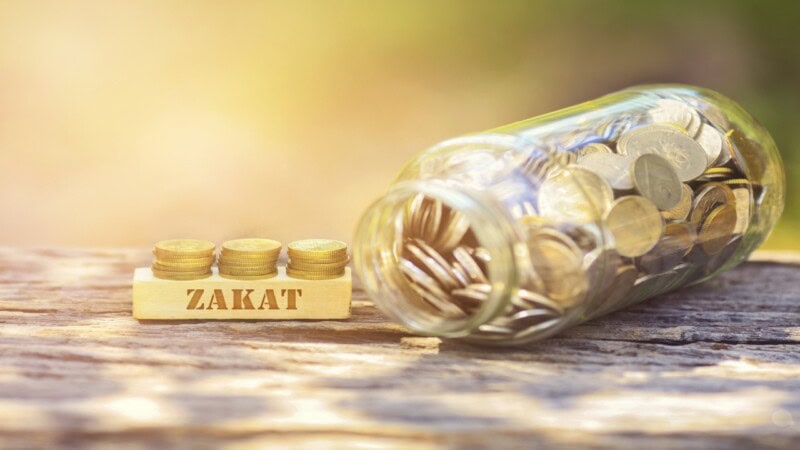
Zakat, a fundamental pillar of Islam, has recently surged in global search trends, especially with the approach of Ramadan. This period sees a heightened interest in fulfilling religious obligations, leading to widespread discussions about its significance, eligibility, calculation methods, and societal impact.
What is Zakat?
Zakat is an obligatory form of charity in Islam, requiring financially able Muslims to contribute a portion of their wealth to support those in need. Rooted in Islamic teachings, this practice not only purifies wealth but also strengthens social bonds by fostering economic balance. Historically, zakat has played a crucial role in poverty alleviation, ensuring that wealth circulates within society to aid the underprivileged.
Zakat Meaning and Its Significance
The zakat meaning extends beyond mere financial assistance. It represents spiritual purification and a commitment to social responsibility. Derived from the Arabic root “z-k-a,” it signifies growth and purification, implying that wealth given in charity not only benefits the recipient but also brings spiritual and moral growth to the giver. The significance of zakat is emphasized in the Quran and Hadith, underscoring its essential role in fostering economic justice and communal welfare.
Who is Eligible for Zakat?
A critical question often asked is, “Who is eligible for zakat?” According to Islamic teachings, recipients fall into eight categories outlined in the Quran (Surah At-Tawbah 9:60):
-
The poor (al-fuqara)
-
The needy (al-masakin)
-
Those employed to collect and distribute zakat
-
New converts to Islam
-
Those in bondage or slavery
-
Those burdened with debt
-
In the cause of Allah
-
Travelers in need
Ensuring zakat reaches the rightful beneficiaries maintains its integrity and effectiveness in reducing financial disparities.
How Much is Zakat?
One of the most common inquiries is, “How much is zakat?” The standard calculation requires eligible Muslims to donate 2.5% of their accumulated wealth annually. This applies to savings, gold, silver, investments, and other financial assets held over the zakat year.
For agricultural produce, livestock, and business inventories, specific guidelines dictate the amount due. The obligation arises only if an individual’s wealth exceeds the nisab threshold—determined by the equivalent value of 87.48 grams of gold or 612.36 grams of silver.
Zakat Calculator: A Practical Tool for Accuracy
With the complexity of assets and financial structures, a zakat calculator proves invaluable. These online tools help individuals accurately determine their zakat amount by factoring in savings, investments, liabilities, and various zakatable assets. Many Islamic organizations and financial institutions offer zakat calculators tailored to different asset types, ensuring transparency and compliance with Islamic principles.
Global Trends and the Rising Interest in Zakat
The recent increase in zakat-related searches coincides with Ramadan, a time when Muslims worldwide focus on spiritual purification and charitable giving. Countries like Pakistan, Malaysia, Saudi Arabia, Indonesia, and Egypt have structured zakat systems, either government-regulated or voluntary, reinforcing its social impact.
In Pakistan, the government collects zakat through a structured system, allocating funds to welfare programs. Malaysia has zakat institutions that distribute funds to various eligible groups, ensuring effective wealth redistribution. Saudi Arabia integrates zakat into its economic framework, supporting social welfare initiatives. The rise of digital platforms has also facilitated seamless zakat contributions globally, making it easier for Muslims to fulfill this religious obligation.
The Social and Economic Impact of Zakat
Zakat serves as a crucial tool for poverty alleviation, empowering marginalized communities. By providing financial aid to the underprivileged, funding education, healthcare, and emergency relief, it fosters economic stability and social harmony. Many organizations have expanded their outreach, ensuring zakat reaches those in conflict zones, disaster-stricken regions, and underdeveloped areas where aid is most needed.
Conclusion
The growing global interest in zakat reflects its profound importance in Islamic practice and its transformative impact on society. Whether through traditional methods or digital zakat calculators, Muslims worldwide are embracing their duty to give, reinforcing a culture of compassion and economic equity. As Ramadan nears, the emphasis on zakat continues to inspire generosity, ensuring that wealth circulates where it is most needed.
Read More: Immigration and Foreigners Bill: A Deep Dive into the Policy Shift