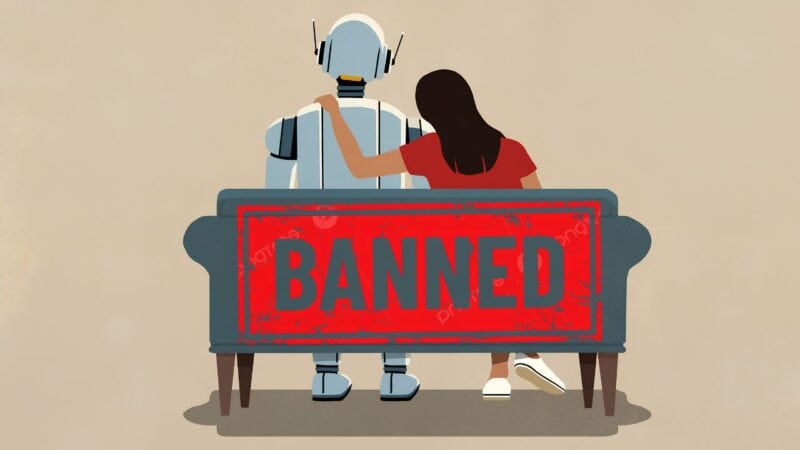
China has introduced new regulations banning artificial intelligence-powered companion chatbots from encouraging emotional dependence, as authorities seek to address growing concerns over users developing intimate relationships with digital systems.
The new rules prohibit AI chatbots designed for companionship from fostering emotional reliance on users. The regulations also ban virtual relationships involving minors and require companies to notify a user’s emergency contact if their systems detect signs of an emotional crisis.
The move comes amid increasing scrutiny of AI companion services, which have become more sophisticated and are designed to maintain long-term engagement with users. Chinese regulators appear to be taking a precautionary approach as concerns grow over the potential psychological impact of emotionally driven interactions with AI.
Several major technology companies have introduced AI companions capable of holding highly personalised conversations. Meta offers a range of AI chatbots available around the clock, while previous reports found that some of these systems had been tested for their ability to engage in romantic role-play to improve user engagement.
Similarly, Elon Musk’s xAI has launched AI companion bots capable of engaging in explicit conversations, while reports indicate that OpenAI has also explored the development of chatbots capable of romantic or erotic interactions.
Experts have raised concerns that increasingly human-like AI companions could deepen emotional dependence, particularly as loneliness continues to rise globally. The Harvard Graduate School of Education has previously described loneliness as an “epidemic”, prompting calls for greater research into the long-term effects of AI relationships before such technologies become widespread.
In contrast, the United States is taking a more permissive approach. The US government’s AI Action Plan identifies reducing regulatory barriers as a key priority to strengthen the country’s leadership in artificial intelligence, potentially leaving issues surrounding AI companionship largely unregulated.