


Chinese Independent Power Producers (IPPs) operating under the China-Pakistan Economic Corridor (CPEC) framework are applying pressure on the federal government to clear their dues which have surged to a staggering Rs475 billion. According to reports, the chief executive officers (CEOs) of CPEC IPPs sent a multitude of letters to key government officials to log their concerns regarding the delays in payments.
Reports reveal that copies of these letters have also been sent to the Chinese Ambassador to Pakistan in an effort to extract the remaining dues. It merits a mention that Prime Minister Shehbaz Sharif is slated to visit China in the near future however, the $1.67 billion unmet payment to Chinese IPPs could strain relations with Beijing.
As per reports, the Chinese Ambassador to Pakistan has remained locked in discussions with senior officials from Pakistan to sort the issue of repayment prior to Chinese leadership hosting the Prime Minister for bilateral meetings.
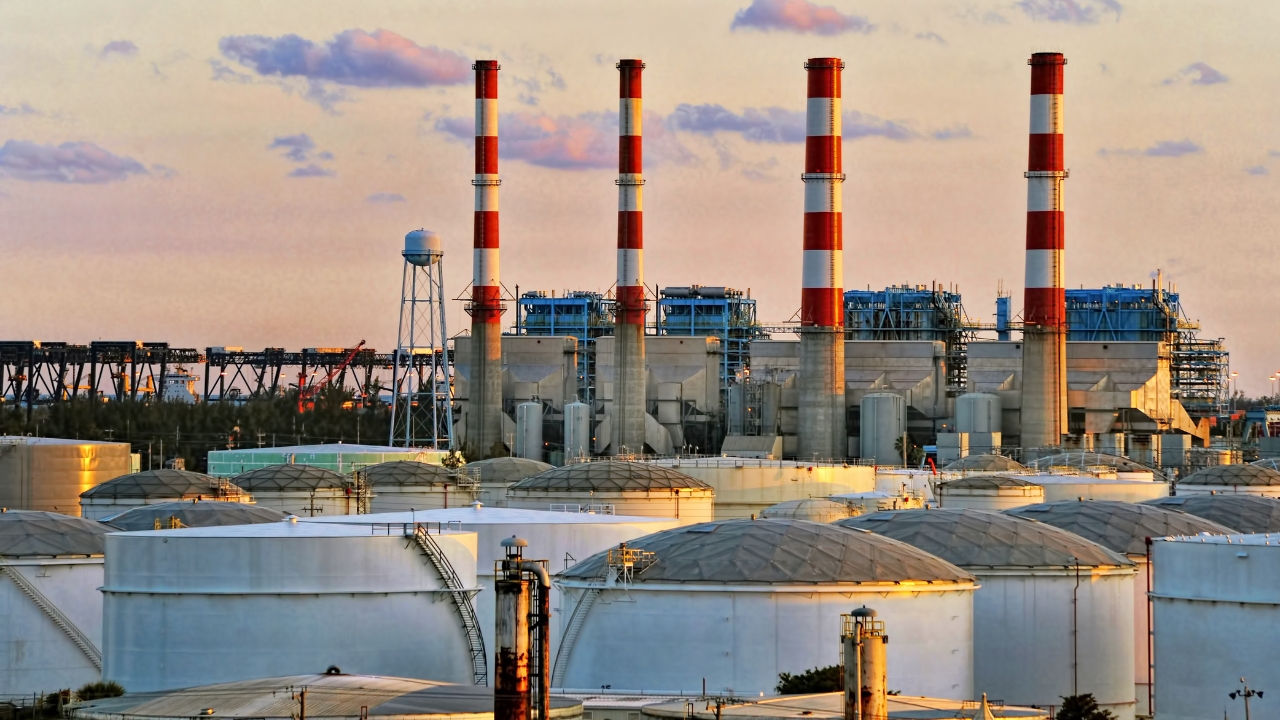
The CEO of Port Qasim Electric Power Company (PQEPC) Wang Dongfang has reportedly raised concerns, outlining how the Central Power Purchasing Agency-Guaranteed (CPPA-G) has been responsible for the growing backlog of tariff payments. For reference, PQEPC can generate upwards of 1,320 megawatts of power under the facility’s coal powered power project which reports have hailed to be “a flagship initiative under CPEC” and a “critical contributor to Pakistan’s energy grid.”
The CEO of PQEPC has highlighted how the federal government owes a whopping Rs81 billion to the power plant he runs alone. Moreover, details from his letter suggested that delays in payment stretched over six months.
As per the details, non-payment by the federal government is likely to result in a deterioration of future investment inflows as stakeholders in the PQEPC from both Beijing and Doha have recorded their "discontent". The CEO of the power company in question has suggested that the situation is likely to worsen if Islamabad does not take immediate steps to rectify the non-payment issue.
PQEPC’s CEO warned the federal government, indicating that the company was legally allowed to suspend plant operations if payments are not cleared. Additionally, the company will not be liable for liquidated damages either as per Section 9.10 of the Power Purchase Agreement (PPA).
Liquidated damages in this context refers to the amount PQEPC would have to pay the government for breaching the contract. However, the company is not obligated to make any such payment to Islamabad under the current circumstances.
The CEO underlined how this would “result in a lose-lose outcome for both sides”. Pakistan’s energy sector is already under stress and the closure of the plant will only serve to exacerbate the strain on the sector.
'%3e%3crect%20y='0.445312'%20width='48'%20height='48'%20rx='24'%20fill='white'%20fill-opacity='0.5'/%3e%3crect%20x='0.5'%20y='0.945312'%20width='47'%20height='47'%20rx='23.5'%20stroke='%23808080'/%3e%3cpath%20d='M34.625%2024.4453L14%2024.4453'%20stroke='%23808080'%20stroke-width='0.920053'/%3e%3cpath%20d='M23.375%2034.4453L13.375%2024.4453L23.375%2014.4453'%20stroke='%23808080'%20stroke-width='0.920053'/%3e%3c/g%3e%3cdefs%3e%3cfilter%20id='filter0_b_489_44344'%20x='-12'%20y='-11.5547'%20width='72'%20height='72'%20filterUnits='userSpaceOnUse'%20color-interpolation-filters='sRGB'%3e%3cfeFlood%20flood-opacity='0'%20result='BackgroundImageFix'/%3e%3cfeGaussianBlur%20in='BackgroundImageFix'%20stdDeviation='6'/%3e%3cfeComposite%20in2='SourceAlpha'%20operator='in'%20result='effect1_backgroundBlur_489_44344'/%3e%3cfeBlend%20mode='normal'%20in='SourceGraphic'%20in2='effect1_backgroundBlur_489_44344'%20result='shape'/%3e%3c/filter%3e%3c/defs%3e%3c/svg%3e)
'%3e%3crect%20y='0.445312'%20width='48'%20height='48'%20rx='24'%20fill='white'%20fill-opacity='0.5'/%3e%3crect%20x='0.5'%20y='0.945312'%20width='47'%20height='47'%20rx='23.5'%20stroke='%23808080'/%3e%3cpath%20d='M13.375%2024.4453L34%2024.4453'%20stroke='%23808080'%20stroke-width='0.920053'/%3e%3cpath%20d='M24.625%2014.4453L34.625%2024.4453L24.625%2034.4453'%20stroke='%23808080'%20stroke-width='0.920053'/%3e%3c/g%3e%3cdefs%3e%3cfilter%20id='filter0_b_489_44344'%20x='-12'%20y='-11.5547'%20width='72'%20height='72'%20filterUnits='userSpaceOnUse'%20color-interpolation-filters='sRGB'%3e%3cfeFlood%20flood-opacity='0'%20result='BackgroundImageFix'/%3e%3cfeGaussianBlur%20in='BackgroundImageFix'%20stdDeviation='6'/%3e%3cfeComposite%20in2='SourceAlpha'%20operator='in'%20result='effect1_backgroundBlur_489_44344'/%3e%3cfeBlend%20mode='normal'%20in='SourceGraphic'%20in2='effect1_backgroundBlur_489_44344'%20result='shape'/%3e%3c/filter%3e%3c/defs%3e%3c/svg%3e)
