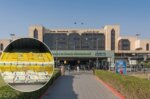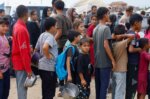
Sindh Chief Minister (CM) Syed Murad Ali Shah has ordered a review of infection-control practices at all Sindh Employees Social Security Institution (SESSI) healthcare facilities after two official inquiries found serious lapses behind the HIV outbreak at Valika Hospital in Karachi, where 78 children have so far tested positive.
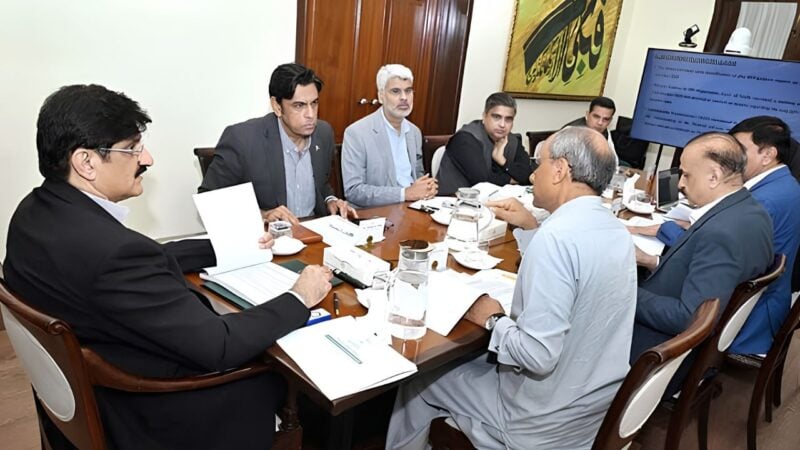
Chairing a high-level meeting, the CM directed the Labour Department to ensure accountability, uninterrupted treatment and long-term rehabilitation of the affected children, saying negligence in healthcare delivery would not be tolerated.
He also ordered strict compliance with sterilisation, biomedical waste management and patient-safety protocols across all SESSI hospitals.
The meeting was informed that two inquiries conducted in 2025 and 2026 identified widespread failures at the SESSI-run Valika Hospital, including poor infection-prevention practices, inadequate supervision of sterilisation, improper handling of single-use syringes, weak biomedical waste disposal, shortages of disposable medical supplies and biohazard containers and poor documentation as well as patient follow-up.
Labour Minister Saeed Ghani told the meeting that the first inquiry was launched after six HIV-positive cases were reported in October 2025. Its findings linked 16 infected children to the hospital’s Paediatrics Department and highlighted serious administrative and procedural shortcomings.
A second inquiry, completed in June 2026, fixed responsibility on several officials for administrative, supervisory and operational failures. As a result, 37 officers and employees, including doctors, nurses, laboratory staff and administrators, have been suspended and issued show-cause notices.
Officials said corrective measures introduced after the outbreak include the establishment of an Anti-Retroviral Therapy Centre at Valika Hospital, routine HIV screening, new infection-control protocols across SESSI facilities and a dedicated isolation ward for HIV-positive children. A Rs2 billion endowment fund has also been created to finance treatment, rehabilitation and long-term support for affected children and their families.
CM Shah then directed authorities to complete disciplinary proceedings without delay, finalise a third-party audit of the hospital and strengthen surveillance systems, while ensuring all affected children continue receiving free treatment, medicines, diagnostic services and follow-up care.