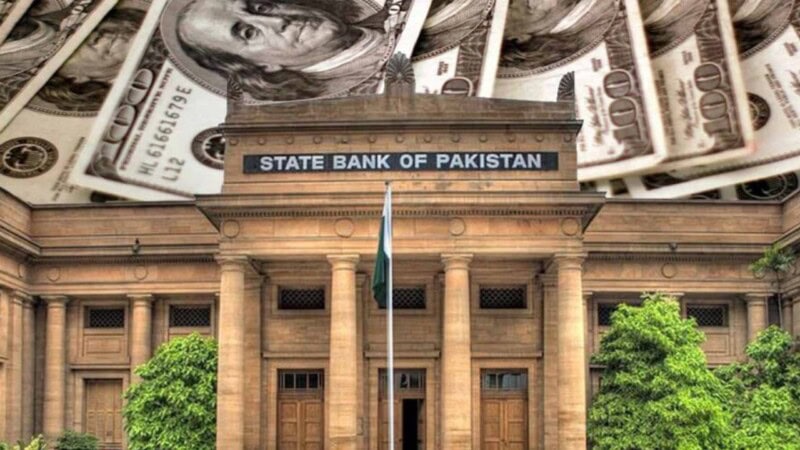
The State Bank of Pakistan (SBP) has clarified the legal status of cryptocurrencies and other virtual assets in its latest press release. According to the details, digital assets are not illegal in Pakistan but remain unregulated due to the absence of a legal framework.
Issued on May 30, 2025, the press release has addressed recent media reports regarding discussions during the 14th meeting of the National Assembly’s Standing Committee on Finance and Revenue. The SBP explained that it had advised banks, microfinance institutions, exchange companies, and other regulated entities back in 2018 to avoid dealing in virtual assets (VAs).
This was not done because digital assets were illegal, but because there were no legal or regulatory protections in place at the time. “This was done to protect its regulated entities and their customers from the risks emanating due to the absence of legal and regulatory framework for VAs in the country,” the SBP stated.
The central bank also confirmed that it is now working with the Ministry of Finance and the Pakistan Crypto Council to develop a formal regulatory framework for virtual assets. “We understand that the legal and regulatory framework would provide the requisite clarity and legal coverage about the VAs, ensuring consumer and investor protection,” the statement added.
For now, cryptocurrencies remain in a legal grey area, but the SBP’s clarification suggests that Pakistan is inching toward regulation rather than an outright ban. Over the past few months, the federal government has actively been taking measures to adopt and regulate cryptocurrencies and digital assets.
Earlier this week, in a bid to integrate digital assets into the formal economic structure of the country, the Pakistan Crypto Council (PCC) revealed Pakistan’s first-ever government-led Strategic Bitcoin Reserve. According to reports, PCC Chief Executive Officer (CEO) Bilal Bin Saqib made the announcement during a keynote speech at Bitcoin Vegas 2025 in Las Vegas, United States.
Pakistan has taken initiatives to support digital asset growth, mentioning how the federal government recently allocated 2,000 megawatts of surplus power to crypto mining and to power artificial intelligence data centres.
However, critics remain sceptical, outlining how crypto may accelerate the outflow of foreign exchange from the domestic market, leading to a crisis. This is because cryptocurrencies could make it easier for capital to leave the country undetected, especially in the absence of a proper regulatory framework.