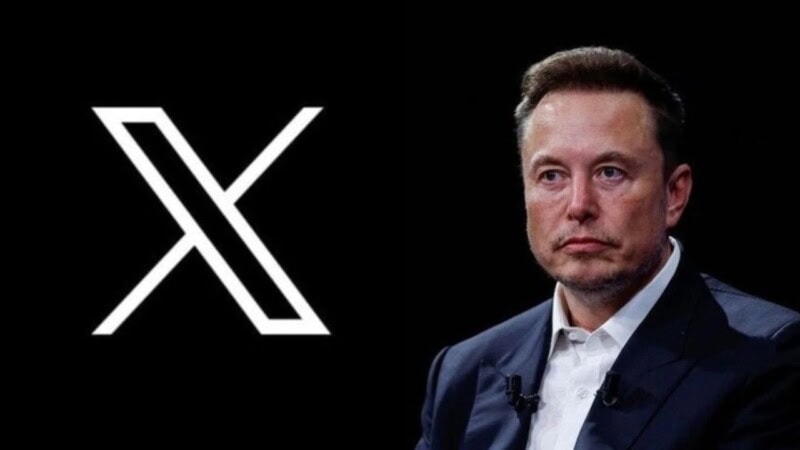
Hashtags will no longer be allowed in paid advertisements on X (formerly known as Twitter), Elon Musk said on Thursday.
In an early Thursday post, Musk labeled hashtags in ads as an “esthetic nightmare” and declared they would be banned, continuing his attempts to transform the platform since acquiring it in 2022.
Musk has previously voiced his disapproval of hashtags in December 2024, he encouraged users to refrain from using them, asserting that the platform had evolved beyond the necessity of manual tagging. At that time, he mentioned that features like Grok, an AI chatbot from his company xAI, could now categorize and recommend content without relying on hashtags.
The new ruling pertains exclusively to paid advertisements. Regular users will still retain the ability to utilize hashtags in their posts. However, advertisers must now exclude hashtags from their promotional content.
Since its introduction in 2007, the hashtag has been an essential element on the platform, enabling users to organize discussions and monitor trends. Over time, it has become a fundamental aspect of digital marketing, frequently employed by advertisers to enhance visibility and engagement.
Musk’s approach appears to be driven by a shift in how content is discovered on the platform. Under his direction, X is moving away from user-initiated tagging toward algorithm-driven content discovery. This includes advancing posts through automated systems instead of leaning on trending hashtags.
It is still uncertain how the ban on hashtags in advertisements will affect advertisers. Some marketing experts have leveraged them to connect with larger audiences, particularly during events or trending discussions.
The decision is part of a broader series of changes Musk has implemented as part of the rebranding of X. Since taking control, he has significantly restructured integral components of the platform’s identity and functionality, steering it away from its previous form towards a more AI-integrated and visually cohesive product.