


The traditional career playbook is being rewritten in real-time, and Pakistan's youth are at the forefront of this transformation. For decades, the formula was simple: earn a degree, secure a job, climb the ladder. Today, that pathway is crumbling. A computer science degree that once guaranteed employment now competes with self-taught developers who've spent six months mastering AI frameworks. The shift isn't just disruptive, it's democratizing opportunity in ways that favor Pakistan's hungry, digitally native generation over credential-obsessed hiring practices of the past.
Consider the numbers that tell this story. LinkedIn reports that AI specialist roles have grown by 74% annually over the past four years, yet traditional universities can't produce graduates fast enough to meet demand. Meanwhile, platforms like Coursera and edX report that Pakistan ranks among the top 10 countries for AI and machine learning course enrollments, with over 300,000 learners actively pursuing certifications. These aren't supplementary skills for existing careers, they're complete career pivots. A civil engineer in Faisalabad becomes a machine learning engineer through evening bootcamps. An English literature graduate in Karachi transitions into natural language processing after a three-month intensive program. The degree becomes secondary; the demonstrable skill becomes everything.
This transformation challenges deeply held cultural beliefs about education and career prestige. Pakistani families have traditionally valued medical, engineering, and business degrees as markers of success and stability. But when a 24-year-old with a six-month AI certification earns more than a doctor in their first year, paradigms shift quickly. The freelancing economy provides undeniable proof, Pakistani AI developers are securing $40-80 per hour contracts on platforms like Upwork and Toptal, often matching or exceeding what local corporate jobs pay monthly. These aren't isolated success stories, they're becoming the norm for skilled practitioners who can demonstrate competency through portfolios, GitHub contributions, and live project work rather than transcripts.
The corporate world is responding faster than academia can adapt. Major Pakistani companies are now hiring based on skills assessments and practical tests rather than degree requirements. Tech startups routinely prefer candidates with strong GitHub profiles and completed AI projects over those with prestigious university credentials but no practical experience. International companies outsourcing to Pakistan increasingly value certification stacks—AWS Machine Learning Specialty, TensorFlow Developer Certificate, Microsoft Azure AI Engineer—over traditional degrees. This credential flexibility creates pathways for talent that would have been locked out under the old system, including women returning to work after career breaks, professionals from non-technical backgrounds, and youth from cities beyond the Lahore-Karachi-Islamabad triangle.
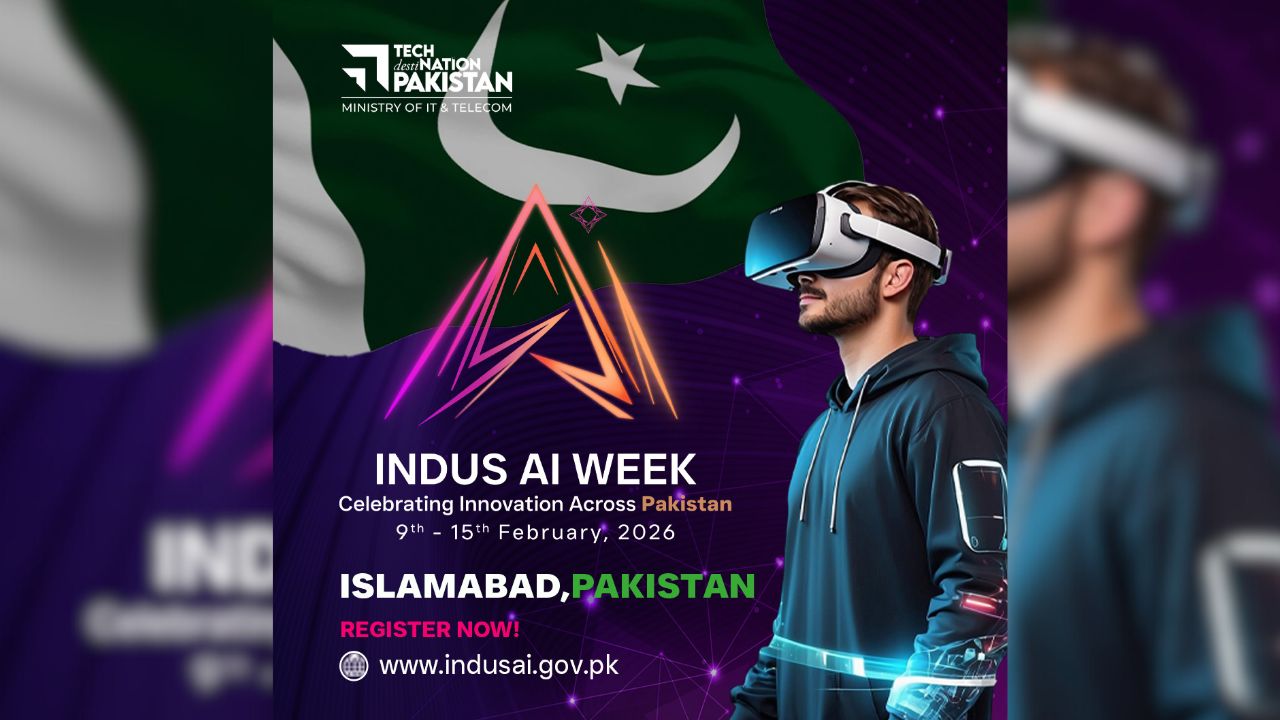
Events like Indus AI Week address these tensions by bringing together traditional educators, industry practitioners, and emerging talent to forge new pathways that combine the best of both worlds, rigorous skill development with ethical frameworks, practical training with theoretical foundations, and accessible learning with quality standards. For diaspora professionals, these conversations offer chances to shape how Pakistan navigates this transition, ensuring the move from degrees to digital skills creates genuine opportunity rather than merely shifting gatekeeping from universities to platform algorithms.
The career landscape is transforming, and Pakistan's youth are learning to navigate it in real-time. Join Indus AI Week to help bridge the gap between traditional education and digital skills training, ensuring this transition creates sustainable careers, not just temporary opportunities. The question isn't whether degrees still matter, it's how we integrate formal education with practical AI training to create career paths that are both accessible and substantive, preparing Pakistan's workforce not just for today's jobs, but for careers that don't yet exist.
'%3e%3crect%20y='0.445312'%20width='48'%20height='48'%20rx='24'%20fill='white'%20fill-opacity='0.5'/%3e%3crect%20x='0.5'%20y='0.945312'%20width='47'%20height='47'%20rx='23.5'%20stroke='%23808080'/%3e%3cpath%20d='M34.625%2024.4453L14%2024.4453'%20stroke='%23808080'%20stroke-width='0.920053'/%3e%3cpath%20d='M23.375%2034.4453L13.375%2024.4453L23.375%2014.4453'%20stroke='%23808080'%20stroke-width='0.920053'/%3e%3c/g%3e%3cdefs%3e%3cfilter%20id='filter0_b_489_44344'%20x='-12'%20y='-11.5547'%20width='72'%20height='72'%20filterUnits='userSpaceOnUse'%20color-interpolation-filters='sRGB'%3e%3cfeFlood%20flood-opacity='0'%20result='BackgroundImageFix'/%3e%3cfeGaussianBlur%20in='BackgroundImageFix'%20stdDeviation='6'/%3e%3cfeComposite%20in2='SourceAlpha'%20operator='in'%20result='effect1_backgroundBlur_489_44344'/%3e%3cfeBlend%20mode='normal'%20in='SourceGraphic'%20in2='effect1_backgroundBlur_489_44344'%20result='shape'/%3e%3c/filter%3e%3c/defs%3e%3c/svg%3e)
'%3e%3crect%20y='0.445312'%20width='48'%20height='48'%20rx='24'%20fill='white'%20fill-opacity='0.5'/%3e%3crect%20x='0.5'%20y='0.945312'%20width='47'%20height='47'%20rx='23.5'%20stroke='%23808080'/%3e%3cpath%20d='M13.375%2024.4453L34%2024.4453'%20stroke='%23808080'%20stroke-width='0.920053'/%3e%3cpath%20d='M24.625%2014.4453L34.625%2024.4453L24.625%2034.4453'%20stroke='%23808080'%20stroke-width='0.920053'/%3e%3c/g%3e%3cdefs%3e%3cfilter%20id='filter0_b_489_44344'%20x='-12'%20y='-11.5547'%20width='72'%20height='72'%20filterUnits='userSpaceOnUse'%20color-interpolation-filters='sRGB'%3e%3cfeFlood%20flood-opacity='0'%20result='BackgroundImageFix'/%3e%3cfeGaussianBlur%20in='BackgroundImageFix'%20stdDeviation='6'/%3e%3cfeComposite%20in2='SourceAlpha'%20operator='in'%20result='effect1_backgroundBlur_489_44344'/%3e%3cfeBlend%20mode='normal'%20in='SourceGraphic'%20in2='effect1_backgroundBlur_489_44344'%20result='shape'/%3e%3c/filter%3e%3c/defs%3e%3c/svg%3e)