


Some conversations shape policy. Others shape perception. And then there are those rare moments where culture quietly enters spaces of power and begins to question what the world has learned to see and what it has chosen to ignore.
At the UK Forum on Cultural Diplomacy 2026, held at the Palace of Westminster in London, such a moment unfolded as Pakistani media found its voice within a global dialogue on cooperation, representation and leadership. Among parliamentarians, diplomats and cultural leaders, Green Entertainment’s participation marked more than institutional presence; it marked an intervention into how stories from South Asia, particularly those about women are framed and understood.
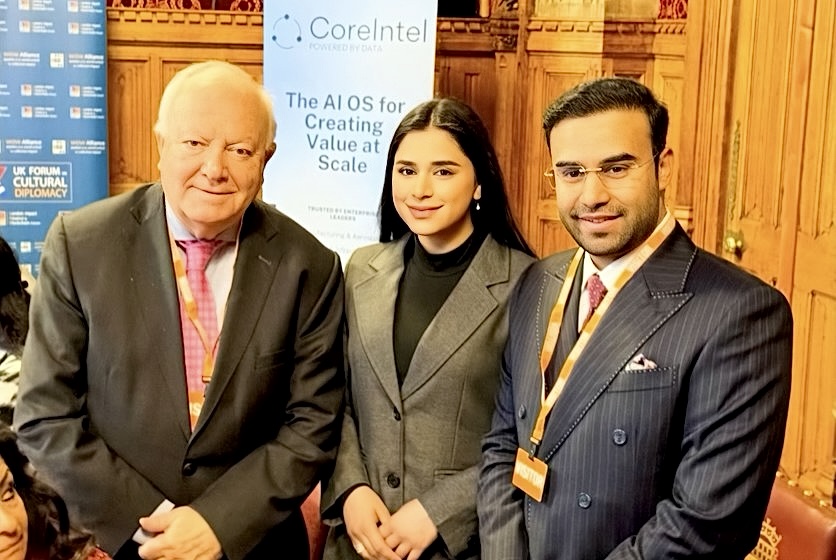
Green Entertainment’s Chief Executive Fasih Ur Rehman and Executive Director Tehreem Chaudhary
with Mr. Miguel Angel Moratinos, Under-Secretary-General, High Representative for the UN
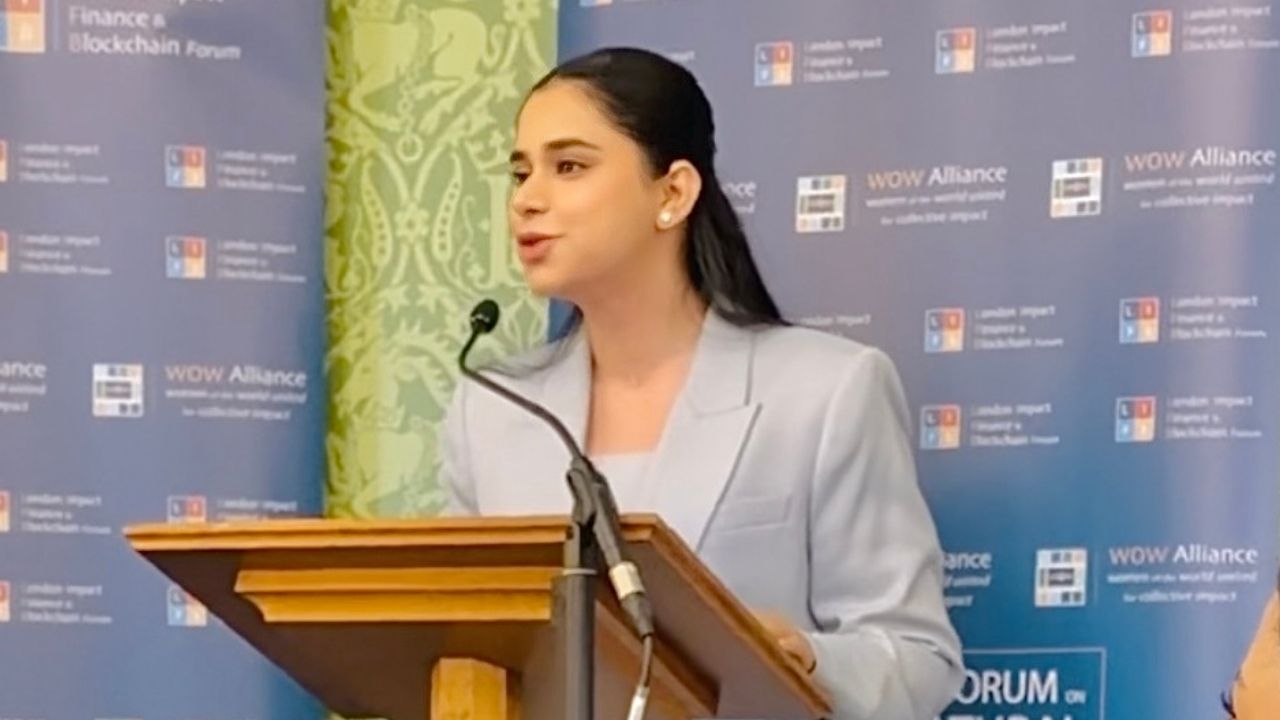
Representing the channel were CEO Fasih ur Rehman and Executive Director Tehreem Chaudhary, whose address placed media at the centre of cultural responsibility. Speaking as a Pakistani woman, a Muslim, and a media professional, Tehreem Chaudhary challenged the notion that storytelling merely reflects society. Instead, she argued, it shapes what societies accept, legitimise, and inspire.
“Media does not simply mirror reality,” she noted during her address, “it shapes what is accepted, respected and imagined as possible.”
Rather than relying on familiar tropes, Green Entertainment’s creative approach has leaned toward narrative restraint and social texture. Its dramas such as Working Women, Standup Girl, 22 Qadam, Jindo, Nauroz, and the widely discussed Pamaal have explored women not in isolation, but in relation to systems; family, work, power and consequence. The emphasis is less on idealized empowerment and more on believable choice: women who negotiate authority, confront limitations and exercise agency within recognizable realities. This narrative approach has allowed the channel’s work to resonate across audiences without flattening complexity.
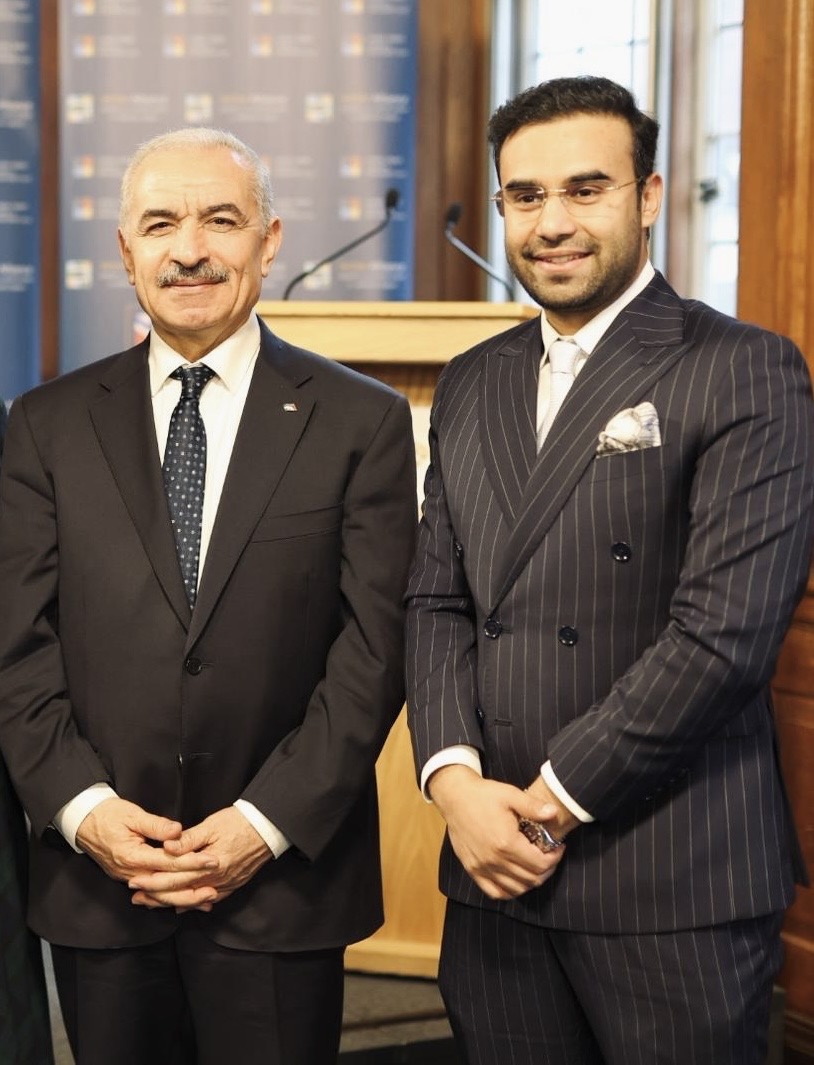
Green Entertainment's Chief Executive Fasih Ur Rehman with former Palestinian Prime Minister Mohammad Shtayyeh.
Tehreem Chaudhary also reflected on the broader cultural and historical context of women’s leadership. She cited examples from Muslim history, including Fatima al-Fihriya, who established the world’s oldest university, and Hazrat Khadija (R.A), the wife of Prophet Muhammad (peace be upon him), a respected businesswoman and leader. She also referenced Benazir Bhutto, Pakistan’s first female Prime Minister, as a source of inspiration for women leaders today. She highlighted how women from Muslim and South Asian societies are frequently discussed in global conversations without being directly included, resulting in narratives that often feel removed from lived realities. She underlined that Pakistani society, like many others, is complex, where tradition and progress coexist, and faith and ambition are not in conflict. Women’s leadership is already present, and their presence reflects competence, credibility and sustained authority.
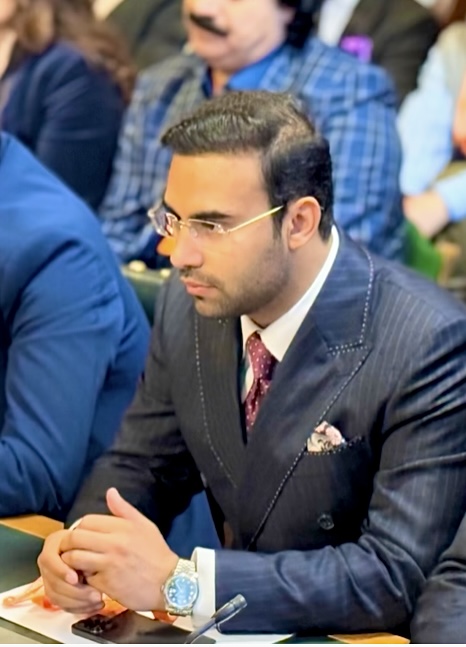
(Fasih Ur Rehman, CEO Green Entertainment at the UK Forum on Cultural Diplomacy 2026)
For Green Entertainment, participation in the forum reflected a broader creative philosophy: that television is not just content, but culture. And culture, when represented with honesty and depth, travels beyond borders more powerfully than rhetoric.
As conversations around representation and influence continue globally, Green Entertainment’s presence at Westminster underscored a quiet shift. Pakistani stories are no longer asking for space, they are claiming it, on their own terms.
'%3e%3crect%20y='0.445312'%20width='48'%20height='48'%20rx='24'%20fill='white'%20fill-opacity='0.5'/%3e%3crect%20x='0.5'%20y='0.945312'%20width='47'%20height='47'%20rx='23.5'%20stroke='%23808080'/%3e%3cpath%20d='M34.625%2024.4453L14%2024.4453'%20stroke='%23808080'%20stroke-width='0.920053'/%3e%3cpath%20d='M23.375%2034.4453L13.375%2024.4453L23.375%2014.4453'%20stroke='%23808080'%20stroke-width='0.920053'/%3e%3c/g%3e%3cdefs%3e%3cfilter%20id='filter0_b_489_44344'%20x='-12'%20y='-11.5547'%20width='72'%20height='72'%20filterUnits='userSpaceOnUse'%20color-interpolation-filters='sRGB'%3e%3cfeFlood%20flood-opacity='0'%20result='BackgroundImageFix'/%3e%3cfeGaussianBlur%20in='BackgroundImageFix'%20stdDeviation='6'/%3e%3cfeComposite%20in2='SourceAlpha'%20operator='in'%20result='effect1_backgroundBlur_489_44344'/%3e%3cfeBlend%20mode='normal'%20in='SourceGraphic'%20in2='effect1_backgroundBlur_489_44344'%20result='shape'/%3e%3c/filter%3e%3c/defs%3e%3c/svg%3e)
'%3e%3crect%20y='0.445312'%20width='48'%20height='48'%20rx='24'%20fill='white'%20fill-opacity='0.5'/%3e%3crect%20x='0.5'%20y='0.945312'%20width='47'%20height='47'%20rx='23.5'%20stroke='%23808080'/%3e%3cpath%20d='M13.375%2024.4453L34%2024.4453'%20stroke='%23808080'%20stroke-width='0.920053'/%3e%3cpath%20d='M24.625%2014.4453L34.625%2024.4453L24.625%2034.4453'%20stroke='%23808080'%20stroke-width='0.920053'/%3e%3c/g%3e%3cdefs%3e%3cfilter%20id='filter0_b_489_44344'%20x='-12'%20y='-11.5547'%20width='72'%20height='72'%20filterUnits='userSpaceOnUse'%20color-interpolation-filters='sRGB'%3e%3cfeFlood%20flood-opacity='0'%20result='BackgroundImageFix'/%3e%3cfeGaussianBlur%20in='BackgroundImageFix'%20stdDeviation='6'/%3e%3cfeComposite%20in2='SourceAlpha'%20operator='in'%20result='effect1_backgroundBlur_489_44344'/%3e%3cfeBlend%20mode='normal'%20in='SourceGraphic'%20in2='effect1_backgroundBlur_489_44344'%20result='shape'/%3e%3c/filter%3e%3c/defs%3e%3c/svg%3e)