A navigation application misdirected a Karachi businessman into a dangerous area of Balochistan, resulting in his death and injuries to his wife.
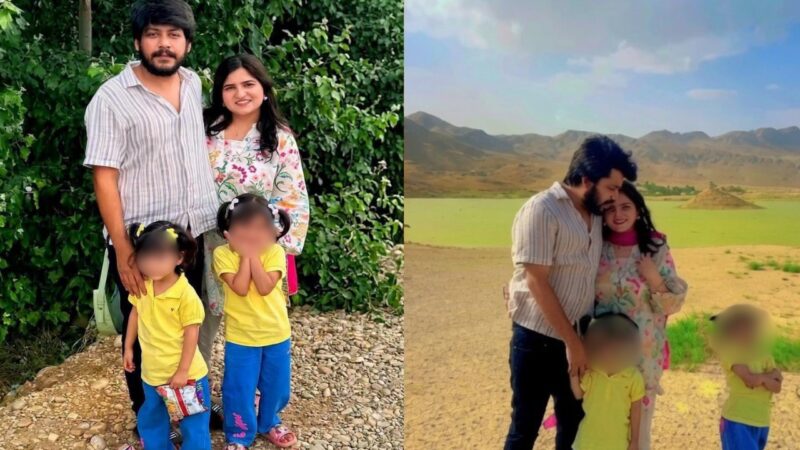
Ali Jameel, a mobile phone trader from Karachi, was returning from a family trip to Quetta with his wife and two daughters on Friday night. The family used a digital navigation application to guide their journey back to Karachi.
The application misdirected the vehicle off the National Highway, sending them into the Kand area of Dasht. Unidentified individuals signaled the vehicle to stop in the area. When Jameel did not halt the car, the individuals opened fire on the vehicle.
Jameel died at the scene, while his wife sustained injuries. Their two daughters escaped physical harm during the shooting.
The body of the deceased reached Karachi on Sunday. Funeral prayers took place at the Rehmania Mosque on Tariq Road, drawing participation from members of the local business community.
The Karachi Mobile and Electronics Dealers Association condemned the shooting and demanded the immediate arrest of the perpetrators.
Pakistan Tehreek-i-Insaf (PTI) Sindh President Haleem Adil Sheikh visited the family residence on Sunday to offer condolences.
Sheikh stated that Jameel believed he was traveling safely within his own country and could not have anticipated that a navigation error would expose him to an attack. While acknowledging that digital navigation services like Google Maps can direct travelers onto incorrect routes, Sheikh asserted that the state retains the responsibility to ensure citizen security. He called for strict legal punishments for those involved to deter future acts of violence and urged law enforcement agencies to restore security across the country.
The incident triggered widespread public discourse about regional safety, travel security and state governance, with citizens expressing their grief and anger across public forums.
The conversation shifted toward national unity and political double standards. One resident raised questions about ethnic dynamics and accountability, stating, “Imagine if they were Baloch and killed like this in Karachi or Punjab. The noise from human rights would have been deafening. “
Public figures also commented on the security breakdown. Actor Ahsan Mohsin Ikram questioned the government’s priorities on his official account, stating, “What is the point to bring peace between the USA and Iran when you can’t bring peace in your own country first. I want peace in Pakistan.”
Another citizen criticized the focus of the state administration, remarking, “When the government is more interested in foreign policy than listening to the core issues of its own people; the security of its own country, then all that happens is that you cannot even move around in your own country and it seems that the very boundaries we are taught in Pakistan studies are fake and the reality is something else.”
Great concern focused on the emotional trauma inflicted upon the surviving children.
One individual commented on the long-term psychological impact, stating, “How his kids will hate Pakistani government after growing up and knowing what happened to their father.”
Others expressed deep sorrow for the family’s future, with one observer noting, “Very sad. I am speechless. Look at little kids,” while another remarked, “Now these two little innocent souls will spend their life without their father ya Allah this is so heart wrenching.”