
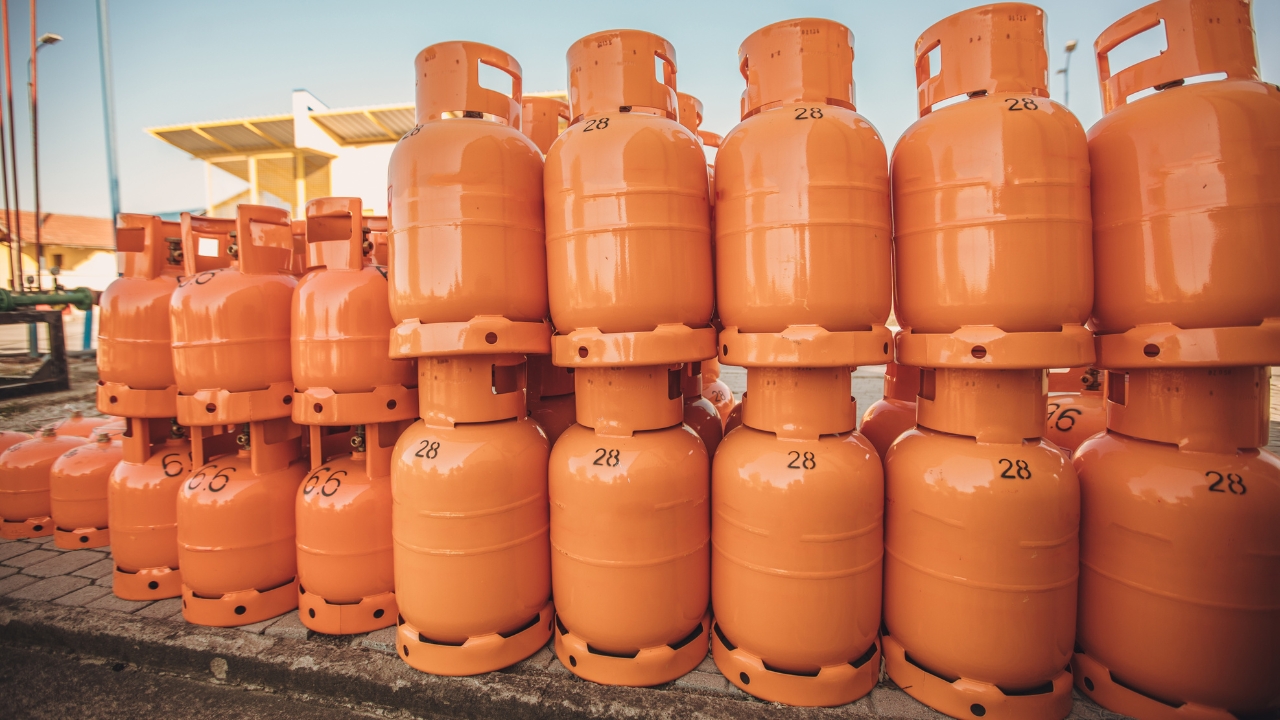


The federal government has rejected a request for a lower tariff on gas, which would have allowed for export sectors to benefit, boosting competitiveness in the international market.
As per the details, Economic Coordination Committee (ECC) authorities, during a recent meeting of the body, noted that concessionary tariffs on the sale of gas had already been exhausted in 2023. Authorities believed that granting tariff reductions to zero-rated and export sectors could result in other sectors requesting for similar concessions, reports said.
The Ministry of Commerce told the meeting that Ghani Glass had in 2019 filed a petition in the Lahore High Court (LHC), asking that the concessionary gas and re-gasified liquefied natural gas (RLNG) tariff of Rs600 per mmBtu, already given to zero-rated and export-oriented sectors, be extended to them as well.
According to reports, the petition named the Petroleum Division, Oil and Gas Regulatory Authority (OGRA), Sui Northern Gas Pipelines Limited (SNGPL) and the Federal Board of Revenue (FBR) as respondents, but the finance and commerce ministries were only added to the case on April 7, 2025.
Reports said that the court ordered the finance ministry to work with the commerce ministry and other stakeholders to present Ghani Glass’s case to the ECC within 60 days. The goal was to design a fair policy that grants concessions only to genuinely export-oriented industries, rather than to entire sectors that include non-exporters.
The court further directed the ECC to review, within the same 60-day period, Ghani Glass’s request for a tariff concession on Sui gas and RLNG, noting that glass had been unfairly excluded from the list of export-oriented sectors.
Authorities were reportedly also instructed to determine whether Ghani Glass should receive the lower tariff starting from 2015, up to the period when similar benefits were extended to zero-rated and export-based industries.
According to reports, the court asked the ECC to assess the glass industry’s export potential and its ability to generate foreign exchange while also considering whether it was reasonable to charge export-oriented industries in Pakistan higher energy prices than those faced by competitors abroad.
As per the Commerce Division, the gas concession was originally given to sectors that made up a major share of Pakistan’s exports in 2011. At that time, the glass industry’s exports stood at only $15.9 million, which it described as insignificant. Based on the aforementioned facts, the Commerce Division told the ECC that Ghani Glass’s request for a tariff concession was not justified and recommended that it be rejected.
'%3e%3crect%20y='0.445312'%20width='48'%20height='48'%20rx='24'%20fill='white'%20fill-opacity='0.5'/%3e%3crect%20x='0.5'%20y='0.945312'%20width='47'%20height='47'%20rx='23.5'%20stroke='%23808080'/%3e%3cpath%20d='M34.625%2024.4453L14%2024.4453'%20stroke='%23808080'%20stroke-width='0.920053'/%3e%3cpath%20d='M23.375%2034.4453L13.375%2024.4453L23.375%2014.4453'%20stroke='%23808080'%20stroke-width='0.920053'/%3e%3c/g%3e%3cdefs%3e%3cfilter%20id='filter0_b_489_44344'%20x='-12'%20y='-11.5547'%20width='72'%20height='72'%20filterUnits='userSpaceOnUse'%20color-interpolation-filters='sRGB'%3e%3cfeFlood%20flood-opacity='0'%20result='BackgroundImageFix'/%3e%3cfeGaussianBlur%20in='BackgroundImageFix'%20stdDeviation='6'/%3e%3cfeComposite%20in2='SourceAlpha'%20operator='in'%20result='effect1_backgroundBlur_489_44344'/%3e%3cfeBlend%20mode='normal'%20in='SourceGraphic'%20in2='effect1_backgroundBlur_489_44344'%20result='shape'/%3e%3c/filter%3e%3c/defs%3e%3c/svg%3e)
'%3e%3crect%20y='0.445312'%20width='48'%20height='48'%20rx='24'%20fill='white'%20fill-opacity='0.5'/%3e%3crect%20x='0.5'%20y='0.945312'%20width='47'%20height='47'%20rx='23.5'%20stroke='%23808080'/%3e%3cpath%20d='M13.375%2024.4453L34%2024.4453'%20stroke='%23808080'%20stroke-width='0.920053'/%3e%3cpath%20d='M24.625%2014.4453L34.625%2024.4453L24.625%2034.4453'%20stroke='%23808080'%20stroke-width='0.920053'/%3e%3c/g%3e%3cdefs%3e%3cfilter%20id='filter0_b_489_44344'%20x='-12'%20y='-11.5547'%20width='72'%20height='72'%20filterUnits='userSpaceOnUse'%20color-interpolation-filters='sRGB'%3e%3cfeFlood%20flood-opacity='0'%20result='BackgroundImageFix'/%3e%3cfeGaussianBlur%20in='BackgroundImageFix'%20stdDeviation='6'/%3e%3cfeComposite%20in2='SourceAlpha'%20operator='in'%20result='effect1_backgroundBlur_489_44344'/%3e%3cfeBlend%20mode='normal'%20in='SourceGraphic'%20in2='effect1_backgroundBlur_489_44344'%20result='shape'/%3e%3c/filter%3e%3c/defs%3e%3c/svg%3e)