
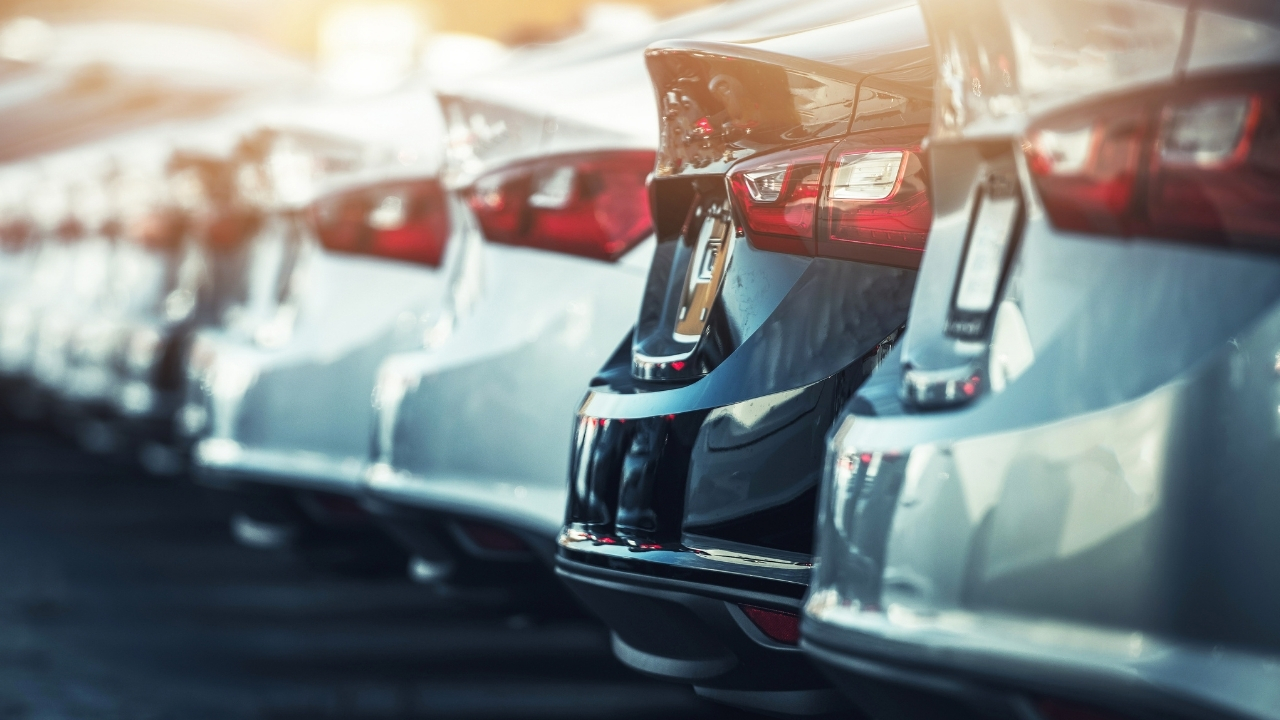


The federal government has announced a ban on the import of damaged vehicles, along with the implementation of a 40 percent levy on used car imports once commercial entry is allowed next month. According to reports, this move has been introduced to protect local automobile assemblers.
During a joint sitting of the Senate’s finance and industry committees, Joint Secretary for Trade Policy Mohammad Ashfaq reportedly clarified that only non-accidental and good-quality vehicles would be permitted to be imported. Reports reveal that the Joint Secretary claimed that the decision followed commitments made to the International Monetary Fund (IMF), which requires Pakistan to gradually reduce the protection it offers to domestic automobile manufacturers and assemblers.
Under the IMF’s framework, the additional 40 percent duty is to be phased out over a period of four years, while older vehicles up to eight years old will eventually become importable. Moreover, data from reports suggests that under the IMF program, Pakistan will have to gradually reduce import tariffs from 20.2 percent to 9.7 percent over five years. In the first year, the overall rate will drop to 15.7 percent, with cuts to customs, additional, and regulatory duties aimed at slowly lowering protection for local carmakers.
According to reports, Pakistan currently does not allow commercial imports of cars, and vehicles can only enter through transfer of residence, baggage, or gift schemes. Despite this restriction, these vehicles attract 25 percent of all vehicle purchases as consumers often prefer used imports over local models because of better features, even if the vehicles have been involved in crashes.
As per the details, the IMF has mandated that Islamabad formally open imports of used cars up to five years old from September and remove all age restrictions on cars by the start of fiscal year (FY) 2026-27.
Reports claim that the phasing out of import taxes in the upcoming periods will not reduce the prices of locally manufactured cars, citing domestic manufacturers’ statements concerning the high taxes levied upon the domestic automobile sector. As per reports, taxes amount to 30 to 61 percent of the price of domestically produced vehicles.
Toyota Indus Motors CEO Ali Asghar Jamali reportedly told lawmakers that the tax component on small cars is around 30 percent, 44 percent for Altis, 60 percent for pickups, and 61 percent for the Fortuner SUV. He added that consumers blame assemblers for high costs when the bulk is actually collected by the state.
Committee members criticised local assemblers for charging premium rates while offering cars with fewer safety features than imported cars. The representatives of two leading automobile manufacturers admitted that most locally made cars come with just two airbags compared to six in imported models but insisted that overall quality was comparable.
'%3e%3crect%20y='0.445312'%20width='48'%20height='48'%20rx='24'%20fill='white'%20fill-opacity='0.5'/%3e%3crect%20x='0.5'%20y='0.945312'%20width='47'%20height='47'%20rx='23.5'%20stroke='%23808080'/%3e%3cpath%20d='M34.625%2024.4453L14%2024.4453'%20stroke='%23808080'%20stroke-width='0.920053'/%3e%3cpath%20d='M23.375%2034.4453L13.375%2024.4453L23.375%2014.4453'%20stroke='%23808080'%20stroke-width='0.920053'/%3e%3c/g%3e%3cdefs%3e%3cfilter%20id='filter0_b_489_44344'%20x='-12'%20y='-11.5547'%20width='72'%20height='72'%20filterUnits='userSpaceOnUse'%20color-interpolation-filters='sRGB'%3e%3cfeFlood%20flood-opacity='0'%20result='BackgroundImageFix'/%3e%3cfeGaussianBlur%20in='BackgroundImageFix'%20stdDeviation='6'/%3e%3cfeComposite%20in2='SourceAlpha'%20operator='in'%20result='effect1_backgroundBlur_489_44344'/%3e%3cfeBlend%20mode='normal'%20in='SourceGraphic'%20in2='effect1_backgroundBlur_489_44344'%20result='shape'/%3e%3c/filter%3e%3c/defs%3e%3c/svg%3e)
'%3e%3crect%20y='0.445312'%20width='48'%20height='48'%20rx='24'%20fill='white'%20fill-opacity='0.5'/%3e%3crect%20x='0.5'%20y='0.945312'%20width='47'%20height='47'%20rx='23.5'%20stroke='%23808080'/%3e%3cpath%20d='M13.375%2024.4453L34%2024.4453'%20stroke='%23808080'%20stroke-width='0.920053'/%3e%3cpath%20d='M24.625%2014.4453L34.625%2024.4453L24.625%2034.4453'%20stroke='%23808080'%20stroke-width='0.920053'/%3e%3c/g%3e%3cdefs%3e%3cfilter%20id='filter0_b_489_44344'%20x='-12'%20y='-11.5547'%20width='72'%20height='72'%20filterUnits='userSpaceOnUse'%20color-interpolation-filters='sRGB'%3e%3cfeFlood%20flood-opacity='0'%20result='BackgroundImageFix'/%3e%3cfeGaussianBlur%20in='BackgroundImageFix'%20stdDeviation='6'/%3e%3cfeComposite%20in2='SourceAlpha'%20operator='in'%20result='effect1_backgroundBlur_489_44344'/%3e%3cfeBlend%20mode='normal'%20in='SourceGraphic'%20in2='effect1_backgroundBlur_489_44344'%20result='shape'/%3e%3c/filter%3e%3c/defs%3e%3c/svg%3e)