The federal government is expected to reintroduce fuel conservation and austerity measures as early as this week or next, amid renewed Middle East hostilities that have pushed up global oil prices and increased pressure on Pakistan’s foreign exchange reserves.
Officials said that Prime Minister Shehbaz Sharif has already discussed the proposals, with the federal cabinet expected to formally consider them in the coming days.
The measures could include a four-day working week, reduced staff attendance in government offices, fewer official vehicles, restrictions on foreign travel, greater use of online meetings and tighter controls on public spending.
The move comes after Pakistan’s foreign exchange reserves fell to $22.67 billion on July 10, down from $23.99bn at the start of the month, prompting the government to prioritise preserving dollar reserves.
According to senior government officials the fuel conservation plan adopted in March following the closure of the Strait of Hormuz remains ready for implementation and could be revived depending on the regional situation and cabinet approval.
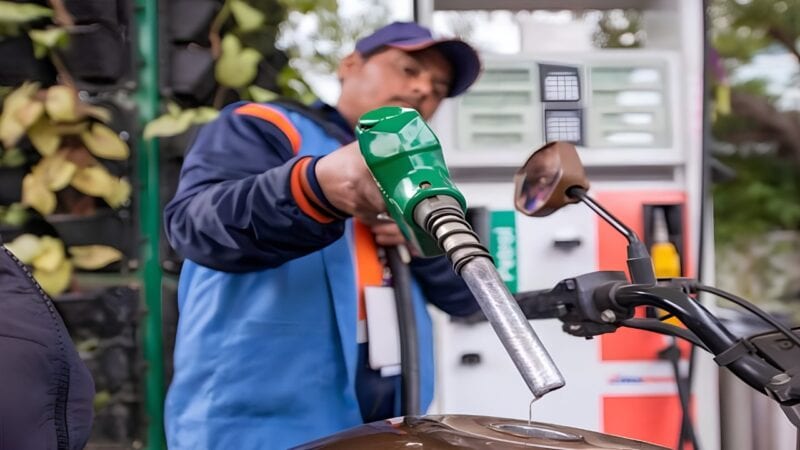
Meanwhile, the government has introduced daily revisions to retail petrol and high-speed diesel prices on working days, although officials stressed that the change does not amount to fuel price deregulation.
Under the new system, prices will be announced from Monday to Friday, with rates set on Fridays remaining unchanged until Monday. Officials have confirmed that the pricing mechanism itself remains unchanged, with the Oil and Gas Regulatory Authority continuing to calculate prices before the Petroleum Division issues the final notification.
The government will also retain control over petroleum levies, climate levy, customs duties, dealer and oil marketing company margins, freight equalisation and fuel supply decisions.
Officials said that deregulation could be considered in the future, under which oil marketing companies would compete on pricing and service quality while the government would mainly regulate fuel standards and strategic reserves. However, they acknowledged such a shift could pose challenges for local refineries, dealers and consumers, particularly in rural areas.
The fuel conservation measures were first introduced in March after regional tensions disrupted oil markets but were withdrawn in June following a ceasefire between the United States and Iran that helped stabilise prices.