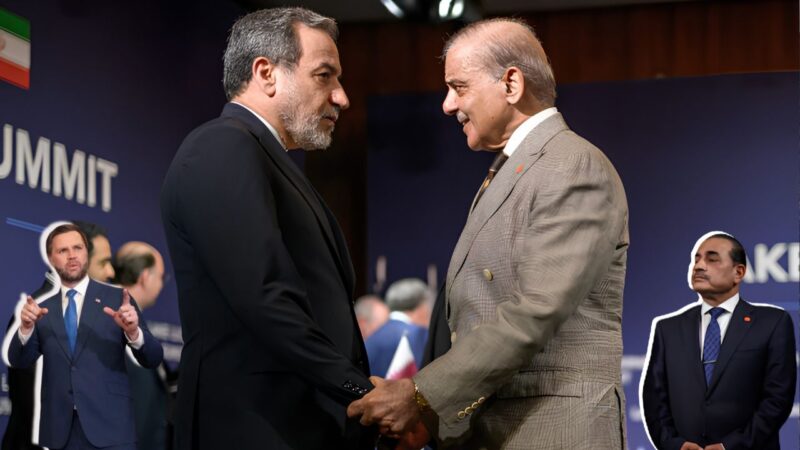
The high-stakes diplomatic summit at the Burgenstock resort in Switzerland has underscored Pakistan’s emergence as a pivotal and indispensable architect of global peace. Acting alongside Qatar, Pakistan has successfully institutionalised a structured negotiation framework between the United States (US) and Iran, positioning itself at the very centre of efforts to de-escalate one of the world’s most volatile geopolitical conflicts.
The summit was intended to solidify a 14-point Islamabad Memorandum of Understanding (MoU), establishing a 60-day roadmap for a final peace settlement. Senior journalist Mohammad Malick has reported that the fragile progress was abruptly challenged when Truth Social posts from US President Donald Trump containing fresh threats against Iran were brought into the negotiating room.
Upon seeing the printed posts, the Iranian delegation, led by Mohammad Bagher Ghalibaf, perceived the statements as a direct contradiction to the non-aggression commitments established in the memorandum. In response, the Iranian representatives staged a walkout.
As tensions peaked, reports emerged that Iranian Foreign Minister (FM) Abbas Araghchi indicated an intention for the delegation to depart for Tehran later that evening, further complicating the logistics of the summit, especially given the strict, last-minute no-fly zone restrictions implemented over the region which had already caused significant air traffic disruptions at Zurich Airport.
Despite the sudden escalation, Pakistan’s role remained central to preventing a total collapse of the talks. While the Iranian delegation left the main session and withdrew to their residence to signal their protest against the hostile rhetoric, Pakistani and Qatari mediators immediately activated their communication channels. The negotiations were spearheaded by the mediators, conducting eight to ten meetings a day, as both parties did not sit together for more than a hundred minutes.
They facilitated intense back-channel discussions to ensure that both Washington and Tehran remained committed to the broader diplomatic framework, working tirelessly to manage the standoff and keep the door for dialogue open.
This intervention highlighted the strategic value of Pakistan’s “good offices.” By acting as a trusted, neutral intermediary, Pakistan has managed to keep technical working groups engaged even when political tensions flared.
As both the US and Iran continue to navigate the complexities of regional security and nuclear oversight, Pakistan’s ability to bridge the gap between these competing powers is being hailed as an essential safeguard for global economic and regional stability. The current focus remains on ensuring that the established ceasefire holds, with Islamabad continuing its hectic, behind-the-scenes engagement to maintain the momentum of the peace process.