


A shocking under-invoicing scam involving the import of luxury vehicles has been uncovered by the Directorate General of Post Clearance Audit (PCA). According to reports, auditors investigated a total of 1,335 Goods Declarations and found that the declared value of imported vehicles was consistently much lower than their actual worth.
Data from reports suggests that while the actual assessed value of the goods stood at a staggering Rs7.25 billion, importers had declared this value at just Rs670 million.
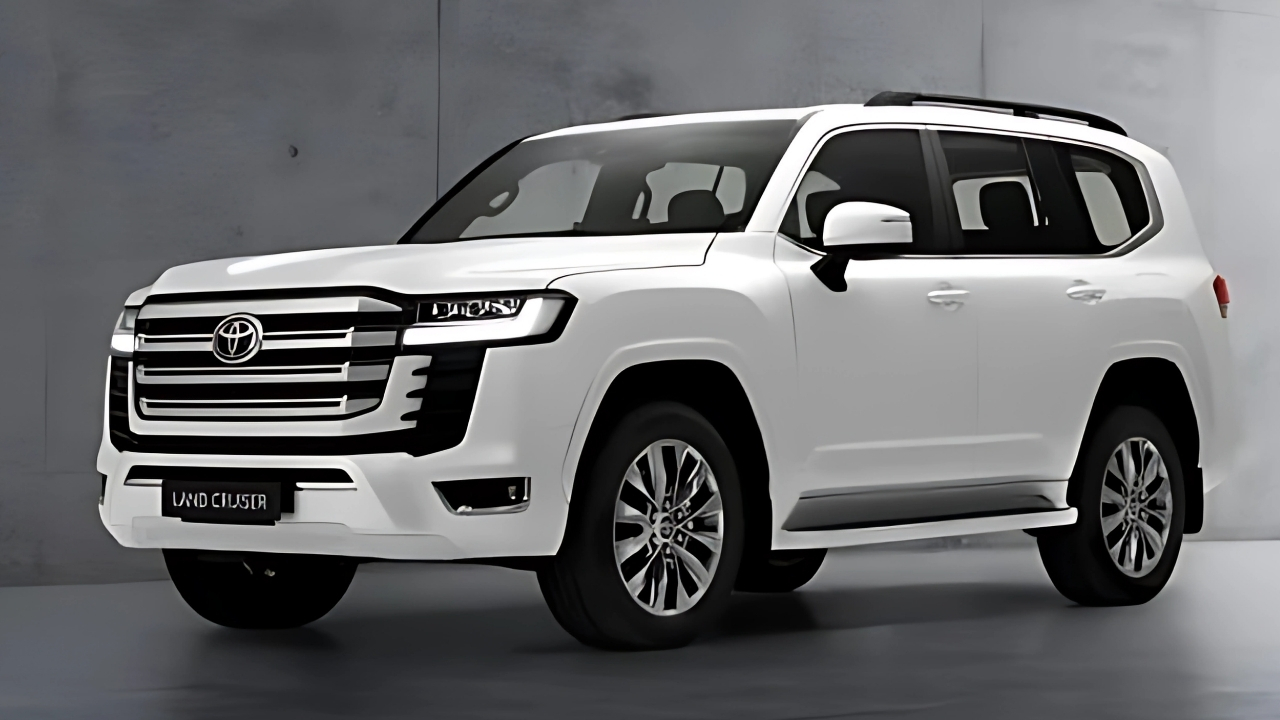
Under-invoicing is reportedly a major concern. One cited example from 2023 revealed that the declared value of a Toyota Land Cruiser was falsely reported as approximately Rs17,500. For context, a 2023 Toyota Land Cruiser 4.0L has a fuel tank capacity of 90 litres, meaning a full tank of petrol alone would cost around Rs24,000, based on the current fuel price of Rs264.61 per litre.
Reports reveal that the actual value of the car in this under-invoicing case was actually close to a staggering Rs10 million. As a result, the taxes and duties amounted to a whopping Rs47.2 million, indicating that the vehicle’s value had been under-reported by 99.8 percent.
Evading customs duties and taxes on the import of goods serves to cheat the national exchequer of revenue inflows. According to an audit report, between December 2024 to March 2025, there was a tax shortfall of Rs17.5 billion.
This report outlined how a number of importers were unable to present evidence of remittances for the purchase of vehicles, suggesting that they were involved in evading foreign exchange regulations.
Auditors, studying income tax filings, were also reportedly able to establish a connection between import under-invoicing and asset under-reporting. However, it merits a mention that even after auditors outlined these discrepancies, authorities were unable to stop importers from exploiting the Faceless Customs Assessment (FCA) system.
Beyond the damage this under-invoicing scheme is inflicting upon the national exchequer, the PCA has suggested that the scheme could detrimentally impact national financial integrity. As such, the PCA has classified the scheme to be a “high-risk Trade-Based Money Laundering (TBML) operation”.
Reports have suggested that the under-invoicing scheme could lead to a serious problem, as both the International Monetary Fund (IMF) and Financial Action Task Force (FATF) are keeping a close eye on Pakistan.
During the first month of fiscal year (FY) 2025-26, authorities were able to collect a staggering Rs106 billion in customs duties, a figure Rs14 billion higher than the targeted collection level. This figure could grow sizably if customs officials crack down on the under-invoicing scam.
'%3e%3crect%20y='0.445312'%20width='48'%20height='48'%20rx='24'%20fill='white'%20fill-opacity='0.5'/%3e%3crect%20x='0.5'%20y='0.945312'%20width='47'%20height='47'%20rx='23.5'%20stroke='%23808080'/%3e%3cpath%20d='M34.625%2024.4453L14%2024.4453'%20stroke='%23808080'%20stroke-width='0.920053'/%3e%3cpath%20d='M23.375%2034.4453L13.375%2024.4453L23.375%2014.4453'%20stroke='%23808080'%20stroke-width='0.920053'/%3e%3c/g%3e%3cdefs%3e%3cfilter%20id='filter0_b_489_44344'%20x='-12'%20y='-11.5547'%20width='72'%20height='72'%20filterUnits='userSpaceOnUse'%20color-interpolation-filters='sRGB'%3e%3cfeFlood%20flood-opacity='0'%20result='BackgroundImageFix'/%3e%3cfeGaussianBlur%20in='BackgroundImageFix'%20stdDeviation='6'/%3e%3cfeComposite%20in2='SourceAlpha'%20operator='in'%20result='effect1_backgroundBlur_489_44344'/%3e%3cfeBlend%20mode='normal'%20in='SourceGraphic'%20in2='effect1_backgroundBlur_489_44344'%20result='shape'/%3e%3c/filter%3e%3c/defs%3e%3c/svg%3e)
'%3e%3crect%20y='0.445312'%20width='48'%20height='48'%20rx='24'%20fill='white'%20fill-opacity='0.5'/%3e%3crect%20x='0.5'%20y='0.945312'%20width='47'%20height='47'%20rx='23.5'%20stroke='%23808080'/%3e%3cpath%20d='M13.375%2024.4453L34%2024.4453'%20stroke='%23808080'%20stroke-width='0.920053'/%3e%3cpath%20d='M24.625%2014.4453L34.625%2024.4453L24.625%2034.4453'%20stroke='%23808080'%20stroke-width='0.920053'/%3e%3c/g%3e%3cdefs%3e%3cfilter%20id='filter0_b_489_44344'%20x='-12'%20y='-11.5547'%20width='72'%20height='72'%20filterUnits='userSpaceOnUse'%20color-interpolation-filters='sRGB'%3e%3cfeFlood%20flood-opacity='0'%20result='BackgroundImageFix'/%3e%3cfeGaussianBlur%20in='BackgroundImageFix'%20stdDeviation='6'/%3e%3cfeComposite%20in2='SourceAlpha'%20operator='in'%20result='effect1_backgroundBlur_489_44344'/%3e%3cfeBlend%20mode='normal'%20in='SourceGraphic'%20in2='effect1_backgroundBlur_489_44344'%20result='shape'/%3e%3c/filter%3e%3c/defs%3e%3c/svg%3e)
