
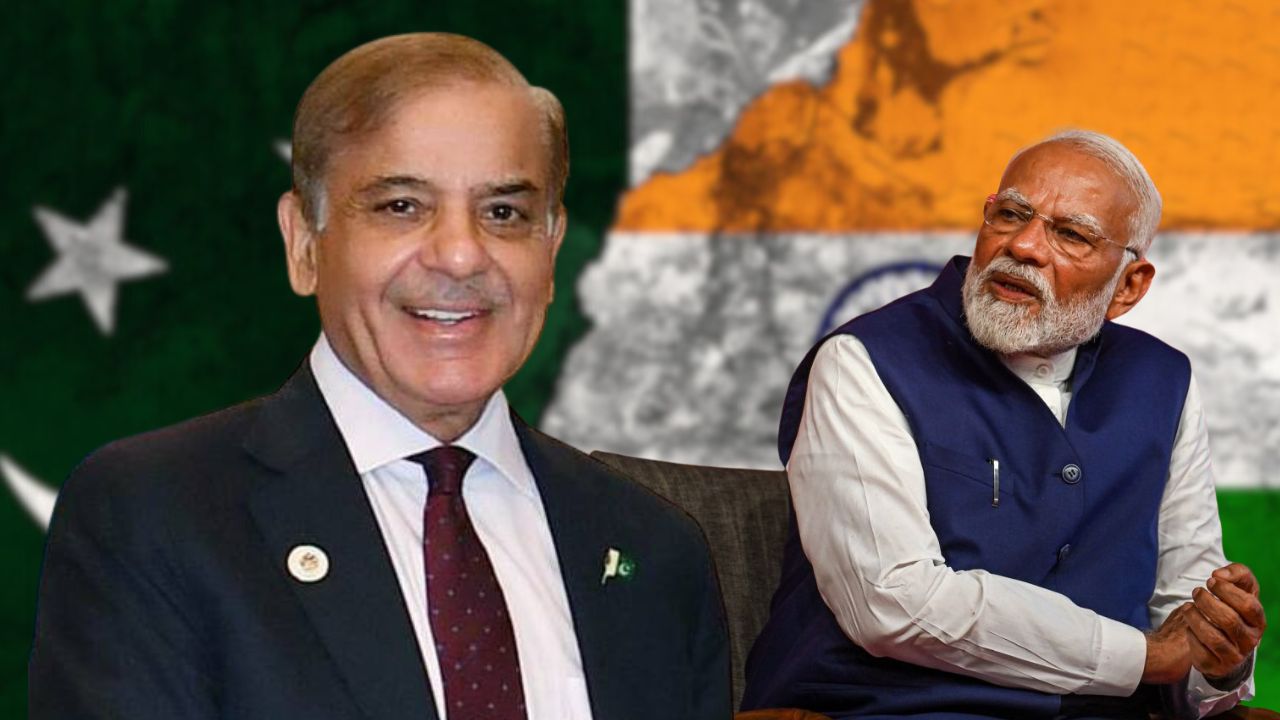


Islamabad has secured a major diplomatic win on the global stage, while New Delhi faces global isolation following the Pakistan-India conflict last month.
Pakistan appointed on key roles
Pakistan has been appointed to pivotal roles in the subsidiary bodies of the United Nations Security Council (UNSC) on Wednesday, including chair of the UNSC’s 1988 Taliban Sanctions Committee and vice-chair of the Counter-Terrorism Committee.
These committees are responsible for overseeing the implementation of sanctions, including asset freezes, travel restrictions, and arms embargoes, on individuals and groups that pose a threat to peace and stability in the region.
IMF, ADB approve billions of dollars for Pakistan
Key international financial institutions have aligned support in quick succession to Pakistan, including the International Monetary Fund (IMF) approving a $1B tranche disbursement on May 9 and the Asian Development Bank (ADB) approving $800M on June 3.
The disbursement was approved under the ongoing Extended Fund Facility (EFF) and allowed an additional arrangement for the $1.4 billion Resilience and Sustainability Facility (RSF). This was done at a time when Pak-India tension was at its peak.
ADB approved an $800 million programme to strengthen fiscal sustainability and improve public financial management in Pakistan earlier this week.
Foreign policy is at its strongest in decades
While no country came out in support of New Delhi, including its traditional friend Russia, Pakistan's allies China, Azerbaijan, and Turkey openly backed Islamabad while it was defending its sovereignty and integrity.
After the Pakistan Air Force (PAF) shot down six Indian fighter jets, including Gen 4.5 Rafales, a $4.2 billion deal for the acquisition of JF-17 Thunder Block III aircraft, jointly produced by Pakistan and China, was reportedly signed between Baku and Islamabad, media outlets reported last month.
According to reports, Azerbaijan is expanding its initial purchase of JF-17 Thunder Block III fighter jets, increasing the number from 16 to a striking 40 units.
Conversely, India’s foreign policy remains flawed. Canada has not extended an invitation to Indian Prime Minister Narendra Modi to the G-7 summit, to be held from June 15 to 17 in Kananaskis, Alberta.
G-7 is a grouping of seven of the world’s richest countries, comprising the US, UK, Germany, France, Italy, Canada and Japan. However, India has been invited to join the summit every year since 2019.
Kuwait lifts visa bans on Pakistan
Following the conflict between nuclear-armed countries Pakistan and India, Kuwait lifted a 19-year-long visa ban on Pakistani citizens and resumed issuing a wide range of visas to Pakistani nationals on May 28.
Pakistan’s Ambassador to Kuwait, Dr. Zaffar Iqbal, had revealed in a statement that Pakistan and Kuwait are also in the advanced stages of finalising a new labour Memorandum of Understanding (MoU).
'%3e%3crect%20y='0.445312'%20width='48'%20height='48'%20rx='24'%20fill='white'%20fill-opacity='0.5'/%3e%3crect%20x='0.5'%20y='0.945312'%20width='47'%20height='47'%20rx='23.5'%20stroke='%23808080'/%3e%3cpath%20d='M34.625%2024.4453L14%2024.4453'%20stroke='%23808080'%20stroke-width='0.920053'/%3e%3cpath%20d='M23.375%2034.4453L13.375%2024.4453L23.375%2014.4453'%20stroke='%23808080'%20stroke-width='0.920053'/%3e%3c/g%3e%3cdefs%3e%3cfilter%20id='filter0_b_489_44344'%20x='-12'%20y='-11.5547'%20width='72'%20height='72'%20filterUnits='userSpaceOnUse'%20color-interpolation-filters='sRGB'%3e%3cfeFlood%20flood-opacity='0'%20result='BackgroundImageFix'/%3e%3cfeGaussianBlur%20in='BackgroundImageFix'%20stdDeviation='6'/%3e%3cfeComposite%20in2='SourceAlpha'%20operator='in'%20result='effect1_backgroundBlur_489_44344'/%3e%3cfeBlend%20mode='normal'%20in='SourceGraphic'%20in2='effect1_backgroundBlur_489_44344'%20result='shape'/%3e%3c/filter%3e%3c/defs%3e%3c/svg%3e)
'%3e%3crect%20y='0.445312'%20width='48'%20height='48'%20rx='24'%20fill='white'%20fill-opacity='0.5'/%3e%3crect%20x='0.5'%20y='0.945312'%20width='47'%20height='47'%20rx='23.5'%20stroke='%23808080'/%3e%3cpath%20d='M13.375%2024.4453L34%2024.4453'%20stroke='%23808080'%20stroke-width='0.920053'/%3e%3cpath%20d='M24.625%2014.4453L34.625%2024.4453L24.625%2034.4453'%20stroke='%23808080'%20stroke-width='0.920053'/%3e%3c/g%3e%3cdefs%3e%3cfilter%20id='filter0_b_489_44344'%20x='-12'%20y='-11.5547'%20width='72'%20height='72'%20filterUnits='userSpaceOnUse'%20color-interpolation-filters='sRGB'%3e%3cfeFlood%20flood-opacity='0'%20result='BackgroundImageFix'/%3e%3cfeGaussianBlur%20in='BackgroundImageFix'%20stdDeviation='6'/%3e%3cfeComposite%20in2='SourceAlpha'%20operator='in'%20result='effect1_backgroundBlur_489_44344'/%3e%3cfeBlend%20mode='normal'%20in='SourceGraphic'%20in2='effect1_backgroundBlur_489_44344'%20result='shape'/%3e%3c/filter%3e%3c/defs%3e%3c/svg%3e)