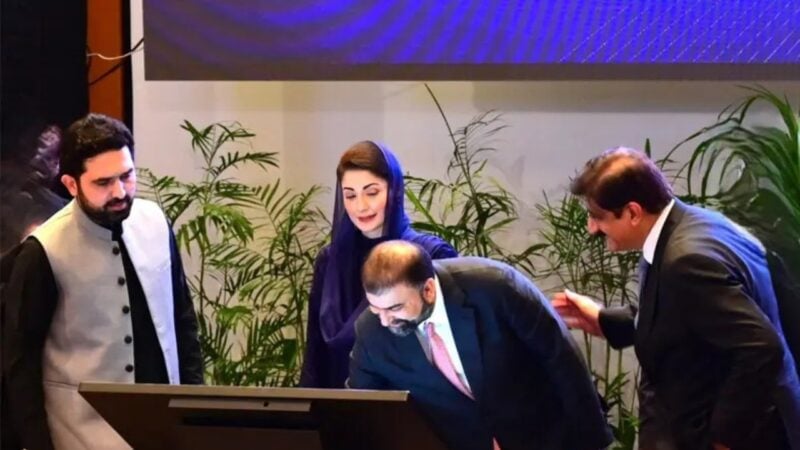
All four chief ministers (CM) have pledged to reform the country’s prison system, endorsing a nationwide framework focused on reducing overcrowding, improving prison conditions and expanding alternatives to incarceration.
A declaration in this regard recognises that prisons across the country are under severe strain due to chronic overcrowding, a high number of undertrial prisoners, inadequate infrastructure, limited healthcare and mental health services, and insufficient opportunities for rehabilitation, education and vocational training.
The chief executives of Punjab, Sindh, Khyber Pakhtunkhwa (KP) and Balochistan have pledged to reduce unnecessary incarceration by expanding access to bail, legal aid, probation, parole and other non-custodial alternatives, particularly for women, children, persons with disabilities, people with mental health conditions and those accused of minor or poverty-related offences.
The declaration also commits provincial governments to reviewing prison laws and administrative practices, improving detention conditions through greater investment in infrastructure, sanitation, nutrition and healthcare, strengthening safeguards against torture and ill-treatment, and expanding rehabilitation, vocational training and post-release support.
Provincial implementation mechanisms will be established to oversee time-bound reforms and regularly report progress.
Addressing a conference in this regard, Chief Justice of Pakistan (CJP) Yahya Afridi also said prisons reflected the true state of Pakistan’s criminal justice system and stressed that meaningful reform required sustained leadership from provincial governments alongside institutional cooperation.
He said all persons deprived of liberty retained their constitutional rights to life, dignity, fair trial and humane treatment.
Punjab CM Maryam Nawaz said her own experience of imprisonment had shaped her government’s prison reform agenda. She noted that Punjab’s 45 prisons currently house around 69,000 inmates despite an authorised capacity of about 39,000, with undertrial prisoners accounting for nearly three-quarters of the prison population.
She highlighted measures introduced by her administration, including emergency call systems in prison cells.
KP CM Sohail Afridi argued that prison reforms should begin with Adiala Jail, where former prime minister Imran Khan is incarcerated. He urged improved facilities for visitors and called for his party founder to receive medical care from his personal doctors, regular family meetings and video communication with his sons abroad.
Law Minister Azam Nazeer Tarar said the reform agenda was intended to benefit thousands of ordinary prisoners rather than prominent political figures, describing the overhaul of Pakistan’s colonial-era prison framework as a constitutional and humanitarian necessity.