
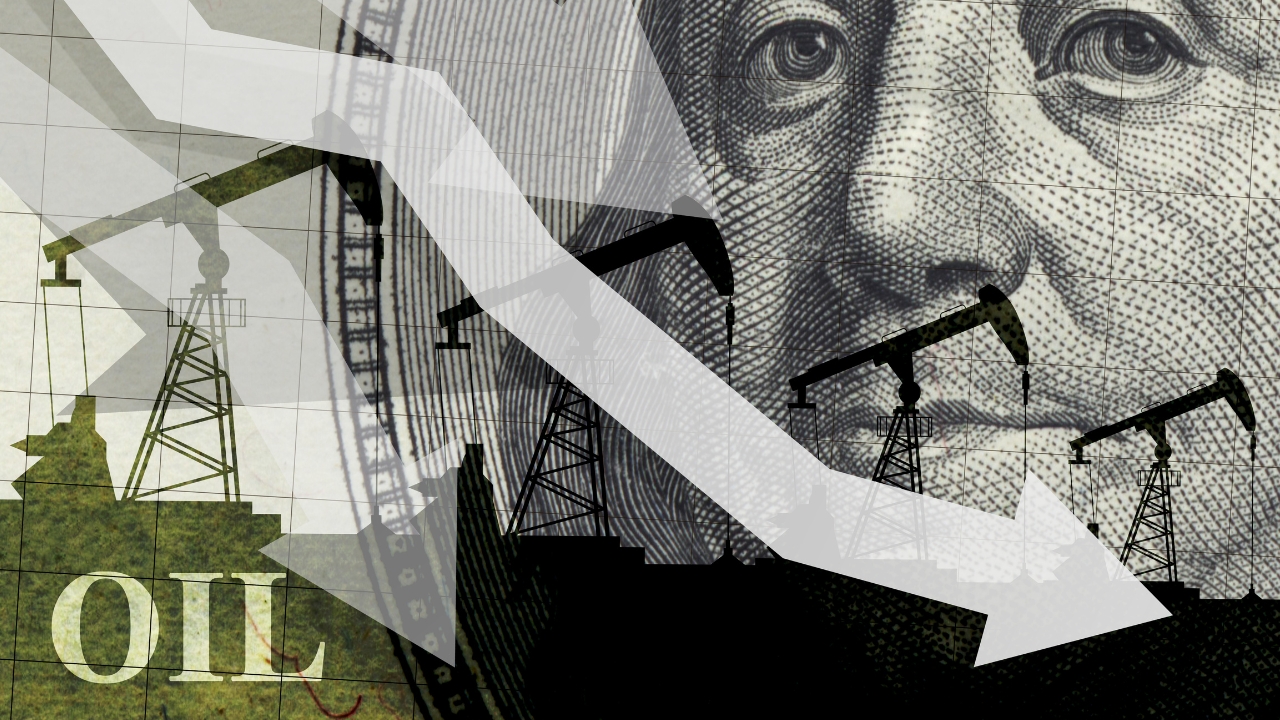


Oil prices recorded a major decline in the global market on Tuesday after Israel agreed to US President Donald Trump’s proposal to a ceasefire with Iran. According to reports, this has eased concerns about disruptions in oil supply to the international market.
Data from the New York Mercantile Exchange reveals that Brent crude futures fell below the $70 support level, recorded a sharp 9.99% decline between June 23 at 12:30 PM (UTC-4) and June 24 at 3:00 AM (UTC-4). This caused prices to fall to $65.68 per barrel.
A statement released by the Israeli Prime Minister Benjamin Netanyahu’s office confirmed that Israel agreed to a ceasefire with Iran as it had accomplished its objectives for destroying the country’s ballistic missile and nuclear threat. The US President made an announcement on Monday, outlining that if both Iran and Israel cease hostilities, the conflict would end after 24 hours.
The 12-day Iran-Israel conflict drove oil prices to a five-month high. The hike in global oil prices detrimentally impacted the global economy, causing capital markets across the region to take a hit, including the Pakistan Stock Exchange (PSX).
Analysts believe that the ceasefire could result in oil prices declining to previous levels. However, analysts also outline that oil prices will only become less volatile if both sides adhere to the ceasefire.
Currently, Iran is the Organization of the Petroleum Exporting Countries’ (OPEC) third-largest crude oil producer, and many feared further hikes in the price of oil as large-scale attacks on the country’s oil installations could have resulted in a major drop in supply.
Moreover, the war could have spread to the Strait of Hormuz, which witnesses the transport of 20 percent of the world's oil supply, including exports from non-belligerent countries such as Kuwait, Iraq, and the United Arab Emirates (UAE).
Reports suggest that disruptions faced by naval cargo vessels in the region could have slingshot prices past the $100 per barrel resistance level. It merits a mention that Brent crude futures have remained under $100 per barrel since August 2022, highlighting the severity of the situation.
However, analysts predict that the risk premium built into oil prices because of Iran-Israel tensions is likely to diminish significantly, resulting in a drop in prices.
'%3e%3crect%20y='0.445312'%20width='48'%20height='48'%20rx='24'%20fill='white'%20fill-opacity='0.5'/%3e%3crect%20x='0.5'%20y='0.945312'%20width='47'%20height='47'%20rx='23.5'%20stroke='%23808080'/%3e%3cpath%20d='M34.625%2024.4453L14%2024.4453'%20stroke='%23808080'%20stroke-width='0.920053'/%3e%3cpath%20d='M23.375%2034.4453L13.375%2024.4453L23.375%2014.4453'%20stroke='%23808080'%20stroke-width='0.920053'/%3e%3c/g%3e%3cdefs%3e%3cfilter%20id='filter0_b_489_44344'%20x='-12'%20y='-11.5547'%20width='72'%20height='72'%20filterUnits='userSpaceOnUse'%20color-interpolation-filters='sRGB'%3e%3cfeFlood%20flood-opacity='0'%20result='BackgroundImageFix'/%3e%3cfeGaussianBlur%20in='BackgroundImageFix'%20stdDeviation='6'/%3e%3cfeComposite%20in2='SourceAlpha'%20operator='in'%20result='effect1_backgroundBlur_489_44344'/%3e%3cfeBlend%20mode='normal'%20in='SourceGraphic'%20in2='effect1_backgroundBlur_489_44344'%20result='shape'/%3e%3c/filter%3e%3c/defs%3e%3c/svg%3e)
'%3e%3crect%20y='0.445312'%20width='48'%20height='48'%20rx='24'%20fill='white'%20fill-opacity='0.5'/%3e%3crect%20x='0.5'%20y='0.945312'%20width='47'%20height='47'%20rx='23.5'%20stroke='%23808080'/%3e%3cpath%20d='M13.375%2024.4453L34%2024.4453'%20stroke='%23808080'%20stroke-width='0.920053'/%3e%3cpath%20d='M24.625%2014.4453L34.625%2024.4453L24.625%2034.4453'%20stroke='%23808080'%20stroke-width='0.920053'/%3e%3c/g%3e%3cdefs%3e%3cfilter%20id='filter0_b_489_44344'%20x='-12'%20y='-11.5547'%20width='72'%20height='72'%20filterUnits='userSpaceOnUse'%20color-interpolation-filters='sRGB'%3e%3cfeFlood%20flood-opacity='0'%20result='BackgroundImageFix'/%3e%3cfeGaussianBlur%20in='BackgroundImageFix'%20stdDeviation='6'/%3e%3cfeComposite%20in2='SourceAlpha'%20operator='in'%20result='effect1_backgroundBlur_489_44344'/%3e%3cfeBlend%20mode='normal'%20in='SourceGraphic'%20in2='effect1_backgroundBlur_489_44344'%20result='shape'/%3e%3c/filter%3e%3c/defs%3e%3c/svg%3e)