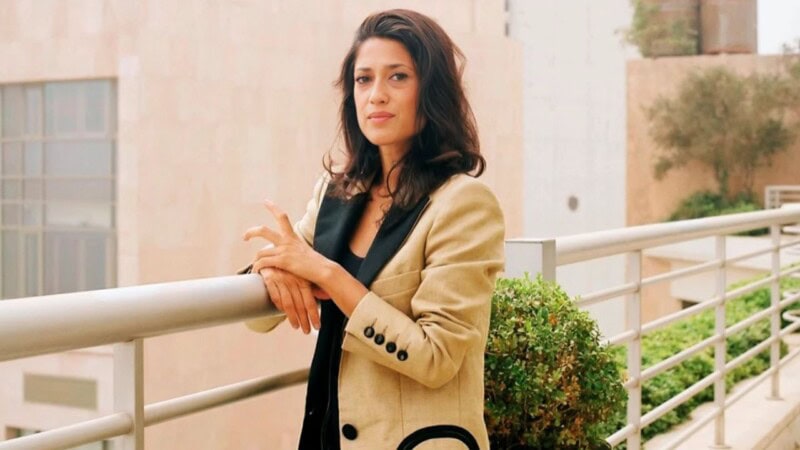
Renowned author and public figure Fatima Bhutto recently shared her thoughts on Pakistani television dramas and their place in global entertainment. In a new interview, she praised the unique identity of Pakistani content and urged creators to build on their strengths rather than trying to imitate others.
“What Pakistan understood very clearly and very early was that we cannot do Bollywood the way Bollywood does it. That’s already happening elsewhere. Our direction was always different,” she said.
Fatima highlighted that Pakistani dramas are known for being subtle and refined. “The language we use in our dramas is poetic,” she added. “That’s our real strength — and we need to support that more.”
She believes that right now is a great time for television worldwide, especially with the rise of streaming platforms. “TV shows are easier to watch on phones and shorter formats work better for global audiences,” she said. “This is our time.”
But she also pointed out the need for change. “We need more stories, and more freedom to tell them. We should ask difficult questions and talk about the issues we face as a society — and also, how we want to be seen by the world.”
Her comments sparked mixed reactions online. Some fans strongly agreed, saying Pakistan should focus on its rich language and culture instead of copying Bollywood.
One fan wrote, “Absolutely agree! We should work on our strengths rather than go for half-baked stuff.”
Another added, “Pakistani culture is high culture. Even Bollywood doesn’t use Hindi properly — they rely on Urdu. Let’s not copy them.”
Others reflected on how today’s dramas differ from the classics. “She’s complimenting the golden age of PTV in the 80s,” a viewer commented. “Today, most dramas feel like chaos. Some are good — but mostly, it’s chaos.”
Some viewers pointed to recent successes as proof that Pakistani stories can shine on the big screen too — mentioning films like Joyland and Queen of My Dreams which have tackled social and political issues in bold new ways.
At a time where global audiences are more open to diverse content, Fatima Bhutto’s message is clear: stay original, be bold, and tell stories that matter.