
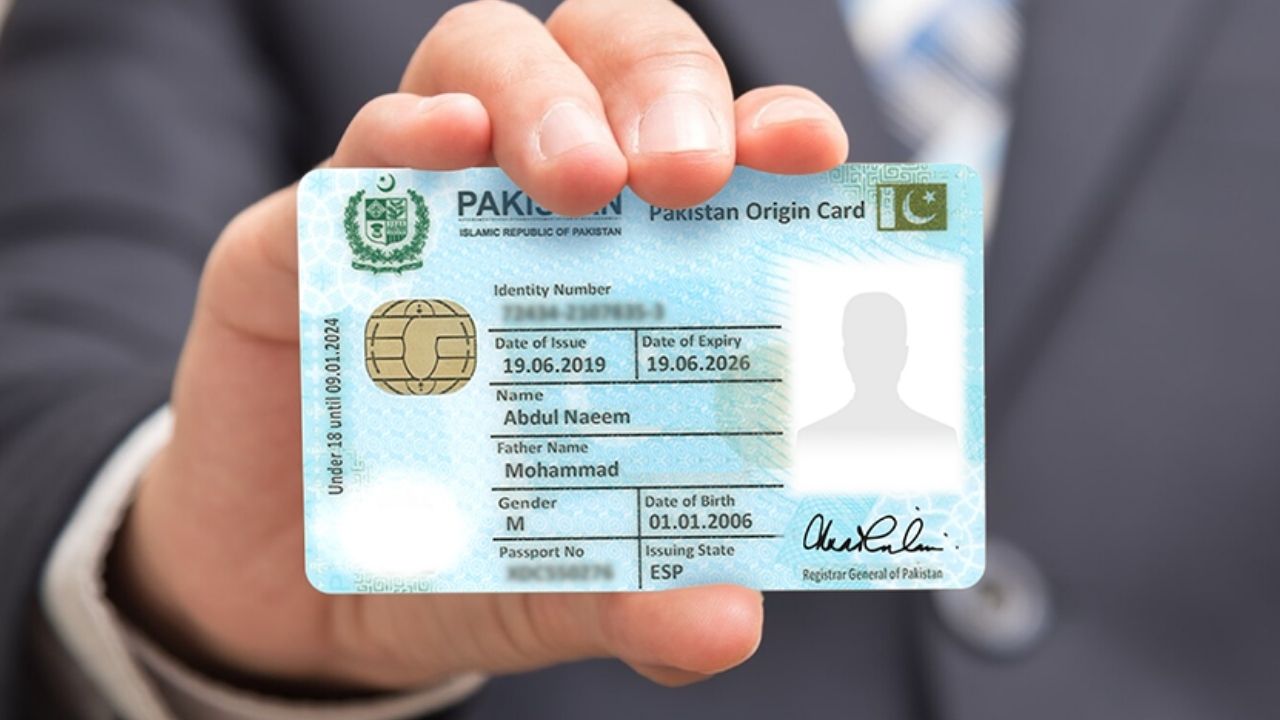


Authorities have identified more than 250,000 fake Pakistani Computerised National Identity Cards (CNICs) allegedly obtained by a large number of Afghan nationals among others, prompting scrutiny by the National Database and Registration Authority (NADRA).
According to reports, officials identified the suspicious CNICs through a special verification software, which was followed by the revelation that most of the fake cardholders were Afghan citizens who had been added to the family trees of Pakistani residents.
The Afghan citizens, mainly linked to families living in Pishin, Chaman and Quetta, were reportedly charged heavy amounts by agents who facilitated them in obtaining the CNICs illegally.
Reports said that NADRA has already started blocking these fake CNICs, and individuals whose cards have been blocked have been instructed to visit NADRA offices for verification.
Authorities also warned that anyone who fails to verify their blocked card within the given deadline will have it permanently cancelled.
While the development has raised serious concerns about identity fraud, border security and the use of fake documents for criminal activities, this is not the first time NADRA has tightened its system against illegal identity cards.
Over the past several years, Pakistan has faced repeated challenges involving fake CNICs, especially in border regions where Afghan refugees have lived for decades.
In 2016, Pakistan launched one of its biggest CNIC verification drives after authorities discovered that thousands of non-Pakistani nationals, mainly Afghans, had been added to Pakistani family trees. NADRA carried out a nationwide re-verification campaign through SMS and data checks, which helped identify 86,380 illegal entries in family records.
The interior ministry had also at the time confirmed that more than 450,000 suspicious or fake CNICs were blocked.
The crackdown also exposed corruption inside the authority. According to official reports at the time, 765 NADRA employees were dismissed for facilitating the issuance of fake identity cards, often in exchange for money.
A second major verification effort began in 2021 when NADRA introduced a new digital system to clean the national database.
The interior ministry had launched a family-tree verification drive using upgraded biometric and AI-supported tools. Through this system, millions of family records were reviewed and nearly 200,000 suspicious entries were detected across the country.
At that time, NADRA had encouraged citizens to use the 8009 SMS service to confirm or reject names appearing in their family tree, which helped remove many of the flagged entries.
'%3e%3crect%20y='0.445312'%20width='48'%20height='48'%20rx='24'%20fill='white'%20fill-opacity='0.5'/%3e%3crect%20x='0.5'%20y='0.945312'%20width='47'%20height='47'%20rx='23.5'%20stroke='%23808080'/%3e%3cpath%20d='M34.625%2024.4453L14%2024.4453'%20stroke='%23808080'%20stroke-width='0.920053'/%3e%3cpath%20d='M23.375%2034.4453L13.375%2024.4453L23.375%2014.4453'%20stroke='%23808080'%20stroke-width='0.920053'/%3e%3c/g%3e%3cdefs%3e%3cfilter%20id='filter0_b_489_44344'%20x='-12'%20y='-11.5547'%20width='72'%20height='72'%20filterUnits='userSpaceOnUse'%20color-interpolation-filters='sRGB'%3e%3cfeFlood%20flood-opacity='0'%20result='BackgroundImageFix'/%3e%3cfeGaussianBlur%20in='BackgroundImageFix'%20stdDeviation='6'/%3e%3cfeComposite%20in2='SourceAlpha'%20operator='in'%20result='effect1_backgroundBlur_489_44344'/%3e%3cfeBlend%20mode='normal'%20in='SourceGraphic'%20in2='effect1_backgroundBlur_489_44344'%20result='shape'/%3e%3c/filter%3e%3c/defs%3e%3c/svg%3e)
'%3e%3crect%20y='0.445312'%20width='48'%20height='48'%20rx='24'%20fill='white'%20fill-opacity='0.5'/%3e%3crect%20x='0.5'%20y='0.945312'%20width='47'%20height='47'%20rx='23.5'%20stroke='%23808080'/%3e%3cpath%20d='M13.375%2024.4453L34%2024.4453'%20stroke='%23808080'%20stroke-width='0.920053'/%3e%3cpath%20d='M24.625%2014.4453L34.625%2024.4453L24.625%2034.4453'%20stroke='%23808080'%20stroke-width='0.920053'/%3e%3c/g%3e%3cdefs%3e%3cfilter%20id='filter0_b_489_44344'%20x='-12'%20y='-11.5547'%20width='72'%20height='72'%20filterUnits='userSpaceOnUse'%20color-interpolation-filters='sRGB'%3e%3cfeFlood%20flood-opacity='0'%20result='BackgroundImageFix'/%3e%3cfeGaussianBlur%20in='BackgroundImageFix'%20stdDeviation='6'/%3e%3cfeComposite%20in2='SourceAlpha'%20operator='in'%20result='effect1_backgroundBlur_489_44344'/%3e%3cfeBlend%20mode='normal'%20in='SourceGraphic'%20in2='effect1_backgroundBlur_489_44344'%20result='shape'/%3e%3c/filter%3e%3c/defs%3e%3c/svg%3e)