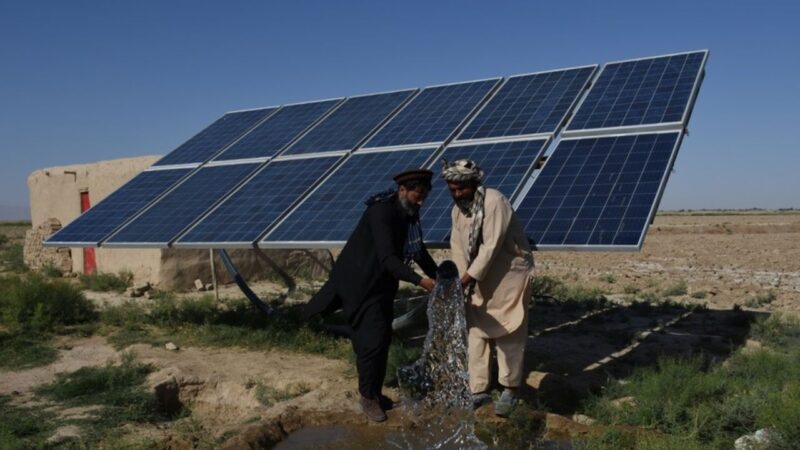
Pakistan has officially become the world’s third-largest importer of solar panels, with 2024 seeing a record intake of 17 Gigawatt (GW) of solar technology.
According to the government’s new Climate Prosperity Plan (CPP), prepared by the Ministry of Finance and the Ministry of Climate Change, imports doubled this year compared to the previous year, due to the dual impact of declining panel prices and skyrocketing electricity tariffs.
The report stated: “Pakistan imported 17GW of solar power systems in 2024, which is twice the amount imported in the previous year, making it the world’s third-largest importer of solar panels.”
The report highlights that the nation is currently facing a significant energy crisis, exacerbated by volatile global fuel prices and mounting circular debt. To address the financial challenges, authorities are proposing a comprehensive strategy that includes restructuring high-cost power purchase agreements and gradually retiring older, inefficient fossil fuel plants.
Regarding the current burden of underutilised infrastructure, the report states, “In essence, Pakistan has been paying for expensive capacity it often cannot even fully utilise.”
Looking ahead, the government has set ambitious long-term targets to reshape the energy landscape. The roadmap aims for a 60 percent clean energy share by 2030, with a bold vision to generate 95 percent of the country’s electricity from renewable sources by 2040.
Beyond just generating power, the plan includes practical initiatives such as installing rooftop solar systems on every government secondary school by 2035 and significantly reducing energy wastage in the national grid.
The report argues that while the solar revolution is already underway, its long-term success depends on modernising the grid, attracting private investment through transparent auctions, and ultimately creating a more reliable, affordable energy future for all citizens.