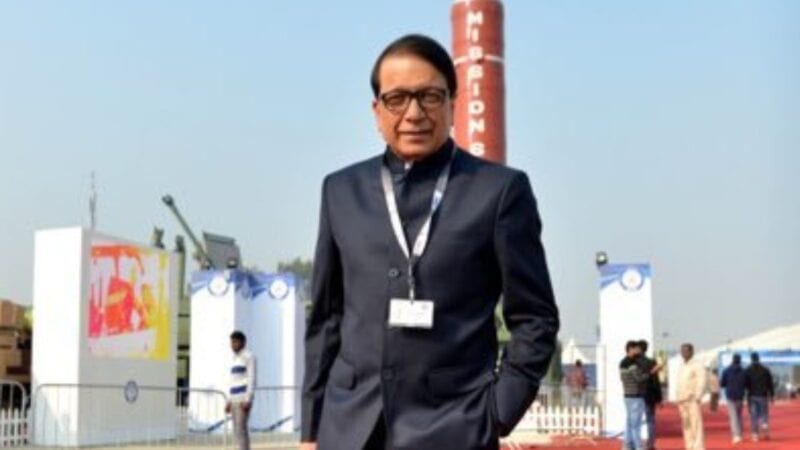
Indian defence analyst Pravin Sawhney has sparked an online debate after posting an assessment on X regarding Pakistan’s expanding security footprint in West Asia.
In the post, Sawhney argued that Pakistan’s influence across the region will continue to build, positioning the country as a security pillar for Gulf Cooperation Council (GCC) member states.
“Pakistan’s role in West Asia will strengthen further. From facilitator to mediator to regional player to reliable security provider to GCC nations. It is the only nation which can replace the US security umbrella for the littoral GCC nations. Also fits the bill of Iran seeking an Islamic Framework to replace the US Framework,” Sawhney posted on X.
The assessment comes at a time when Islamabad continues to solidify military and diplomatic ties across the Gulf.
Pakistan and Saudi Arabia signed a Strategic Mutual Defence Agreement (SMDA) in Riyadh in __ , establishing that aggression against either nation constitutes an act against both.
Islamabad and Kuwait also reportedly entered talks regarding an expanded defense framework including “thousands of Pakistani troops on the ground, fighter jets, drones, an air defence system, and other defence-related facilities,” earlier this month.
Sawhney’s statement triggered immediate responses from regional commentators across India and Pakistan.
Supporters highlighted Pakistan’s geography and military infrastructure. One observer wrote: “An insightful assessment. Pakistan’s role in regional security has always been underestimated. Given our strategic location, defense expertise, and unique position as a bridge between Iran and GCC states, a localized Islamic security framework is entirely viable especially when backed by strong regional economic partnerships.”
Another commentator noted, “Pakistan’s diplomatic and security role in West Asia is certainly growing. Whether it can replace the U.S. security umbrella is another question, but its ability to engage with both GCC states and Iran gives it a unique position as a regional bridge and potential mediator.”
Other reactions raised questions regarding potential risks for Islamabad. One user argued: “It will put Pakistan directly in conflict with Israel and US.”
Responses within India reflected sharp division over the analysis. One Indian user described the post as a “Very realistic view but very unpopular in India.”
Other Indian users targeted Indian Prime Minister (PM) Narendra Modi’s administration, questioning when New Delhi would recognize shifting power dynamics in the region.
“It’s true and agreed. However, who can inform Prime Minister Modi that it’s an opportune time to normalize relations with Pakistan? Considering the shifting regional power dynamics, South Asian countries must resolve their differences before then and stand united to confront the impending economic and security crises,” wrote one commentator.
The post also drew personal attacks against Sawhney from Indian accounts. One commenter posted, “I wonder Pravin, how do you face your wife and children?? You are so shamefully anti-India to be a pro-Pakistani and pro-China propagandist.”