
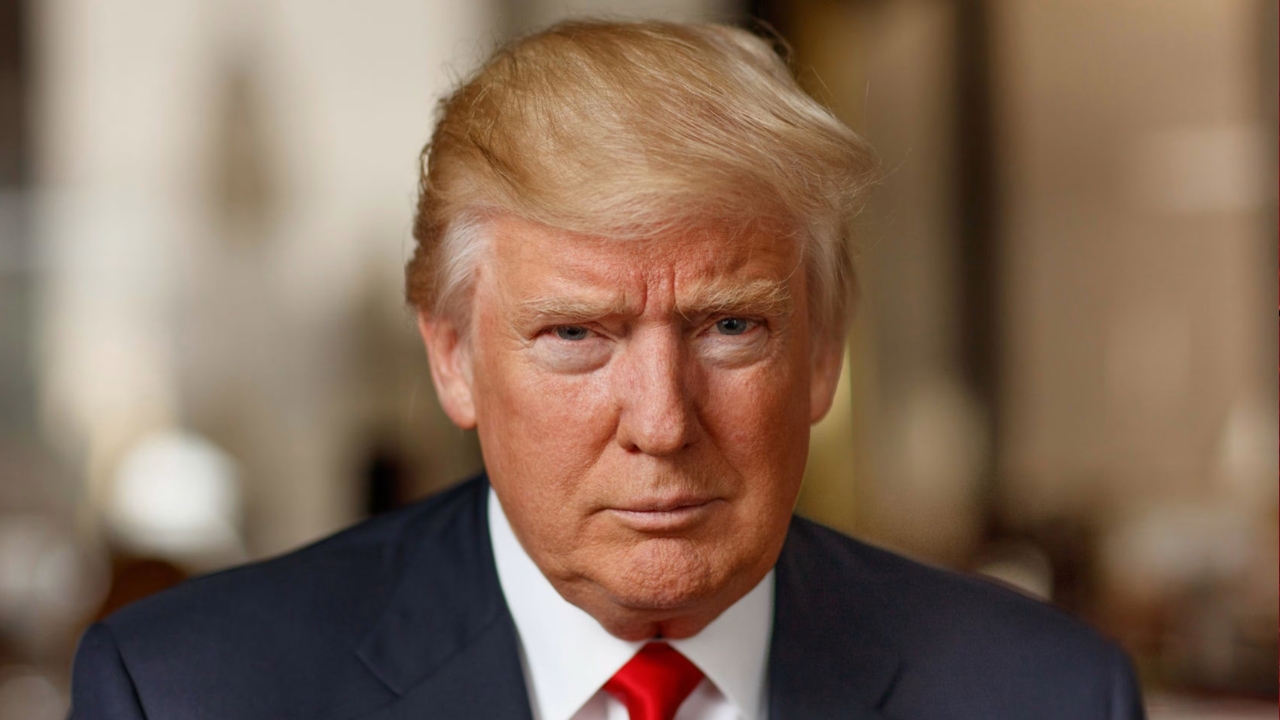


US President Donald Trump has revealed that a Pakistani delegation will visit the United States (US) in the coming week, likely to hash out the terms of a trade and tariff deal.
Pakistan currently enjoys a trade surplus with the US amounting to a staggering $3 billion . However, the Trump administration threatened Pakistan’s export earnings by announcing a 29 percent tariff on Pakistan last month.
While tariffs are currently suspended, Pakistan could face their full weight if authorities do not attempt to soften trade conditions. According to a press release by the Ministry of Finance (MoF), formal negotiations began via a phone call between Finance Minister Muhammad Aurangzeb and US Trade Representative Jamieson Greer.
As per reports, reciprocal tariffs remained the key point of discussions. If negotiations yield positive results, it could safeguard a vital inflow of foreign exchange, shielding the current account balance from widening.
Reports indicate that Donald Trump has reiterated his anti-war rhetoric, outlining how he does not intend to make a deal with either Pakistan or India in the event of a war breaking out. Earlier this month, he took to social media to take credit for mediating a ceasefire between the two belligerent countries.
His remarks follow India’s unprovoked aggression against Pakistan following a militant attack in Pahalgam, Indian Illegally Occupied Jammu & Kashmir. Reports reveal that Indian aggression led to the neutralisation of five Indian jets alongside heavy economic losses to both countries.
Speaking to news crews after departing Air Force One at Joint Base Andrews, he reportedly announced that “we’re very close (to) making a deal with India”. As per reports, US-India trade relations are expected to normalize with both sides expected to ink an interim agreement in July.
Details released by the Pakistan Institute of Development Economics (PIDE) paint a bleak picture for the economy in case the US does not revise the 29 percent tariff it has imposed on the import of Pakistani goods. According to PIDE, Pakistan will suffer from a loss of foreign exchange inflows amounting to $1.1 to $1.4 billion per annum if tariffs are not reversed.
Even if the tariff is reduced, the trade deficit may still widen as long as the tariff remains above zero. This is because the imposition of a tariff will serve to make Pakistani goods more expensive in the US market.
'%3e%3crect%20y='0.445312'%20width='48'%20height='48'%20rx='24'%20fill='white'%20fill-opacity='0.5'/%3e%3crect%20x='0.5'%20y='0.945312'%20width='47'%20height='47'%20rx='23.5'%20stroke='%23808080'/%3e%3cpath%20d='M34.625%2024.4453L14%2024.4453'%20stroke='%23808080'%20stroke-width='0.920053'/%3e%3cpath%20d='M23.375%2034.4453L13.375%2024.4453L23.375%2014.4453'%20stroke='%23808080'%20stroke-width='0.920053'/%3e%3c/g%3e%3cdefs%3e%3cfilter%20id='filter0_b_489_44344'%20x='-12'%20y='-11.5547'%20width='72'%20height='72'%20filterUnits='userSpaceOnUse'%20color-interpolation-filters='sRGB'%3e%3cfeFlood%20flood-opacity='0'%20result='BackgroundImageFix'/%3e%3cfeGaussianBlur%20in='BackgroundImageFix'%20stdDeviation='6'/%3e%3cfeComposite%20in2='SourceAlpha'%20operator='in'%20result='effect1_backgroundBlur_489_44344'/%3e%3cfeBlend%20mode='normal'%20in='SourceGraphic'%20in2='effect1_backgroundBlur_489_44344'%20result='shape'/%3e%3c/filter%3e%3c/defs%3e%3c/svg%3e)
'%3e%3crect%20y='0.445312'%20width='48'%20height='48'%20rx='24'%20fill='white'%20fill-opacity='0.5'/%3e%3crect%20x='0.5'%20y='0.945312'%20width='47'%20height='47'%20rx='23.5'%20stroke='%23808080'/%3e%3cpath%20d='M13.375%2024.4453L34%2024.4453'%20stroke='%23808080'%20stroke-width='0.920053'/%3e%3cpath%20d='M24.625%2014.4453L34.625%2024.4453L24.625%2034.4453'%20stroke='%23808080'%20stroke-width='0.920053'/%3e%3c/g%3e%3cdefs%3e%3cfilter%20id='filter0_b_489_44344'%20x='-12'%20y='-11.5547'%20width='72'%20height='72'%20filterUnits='userSpaceOnUse'%20color-interpolation-filters='sRGB'%3e%3cfeFlood%20flood-opacity='0'%20result='BackgroundImageFix'/%3e%3cfeGaussianBlur%20in='BackgroundImageFix'%20stdDeviation='6'/%3e%3cfeComposite%20in2='SourceAlpha'%20operator='in'%20result='effect1_backgroundBlur_489_44344'/%3e%3cfeBlend%20mode='normal'%20in='SourceGraphic'%20in2='effect1_backgroundBlur_489_44344'%20result='shape'/%3e%3c/filter%3e%3c/defs%3e%3c/svg%3e)