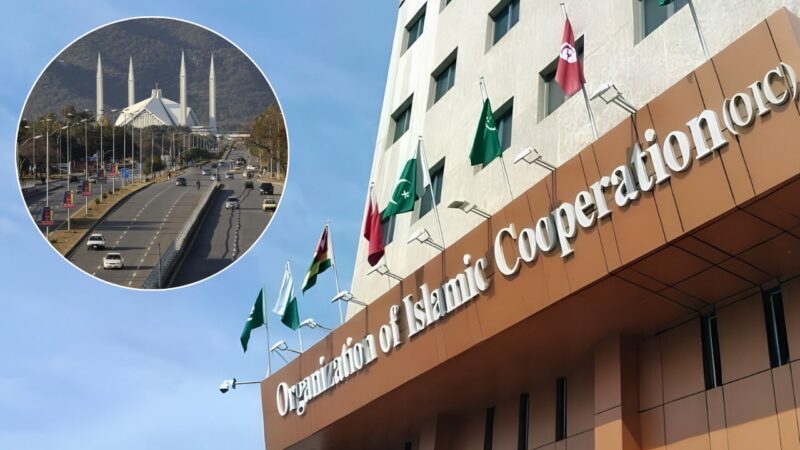
Pakistan will host the 9th Organisation of Islamic Cooperation (OIC) Ministerial Conference on Women in Islamabad on Sunday and Monday, bringing together around 190 delegates from the OIC’s 57 member states to discuss policies aimed at advancing women’s rights and participation across the Muslim world.
The two-day conference will focus on creating an enabling environment for women to fully realise their potential and contribute to socio-economic development in OIC member countries. Discussions will centre on increasing women’s political and professional participation, improving access to economic resources and financial systems, and addressing gender gaps in technology and digital participation.
The conference is expected to be attended by ministers, senior government officials, prominent women personalities, OIC observers and representatives from member states. It will also provide a platform for participants to review progress made on women’s rights, exchange national experiences and adopt frameworks to strengthen cooperation on gender-related issues.
Ahead of the event, Deputy Prime Minister and Foreign Minister Senator Ishaq Dar chaired the eighth meeting of the high-level committee overseeing preparations for the conference.
During the meeting on Friday, the committee reviewed final arrangements, including the conference programme, delegate facilitation, protocol, security, logistics, media coverage and coordination among government ministries. Officials briefed the deputy prime minister on measures taken to ensure the event proceeds smoothly.
Dar commended the officials involved in organising the conference and directed them to ensure that visiting delegations receive the highest standards of hospitality during their stay in Pakistan.
The OIC Ministerial Conference on Women is held approximately every three to four years to assess progress on women’s empowerment and strengthen collaboration among member states. The previous conference took place in Cairo in 2021, where participants focused on women’s empowerment, protection frameworks and expanding women’s socio-economic participation through coordinated policy initiatives.