
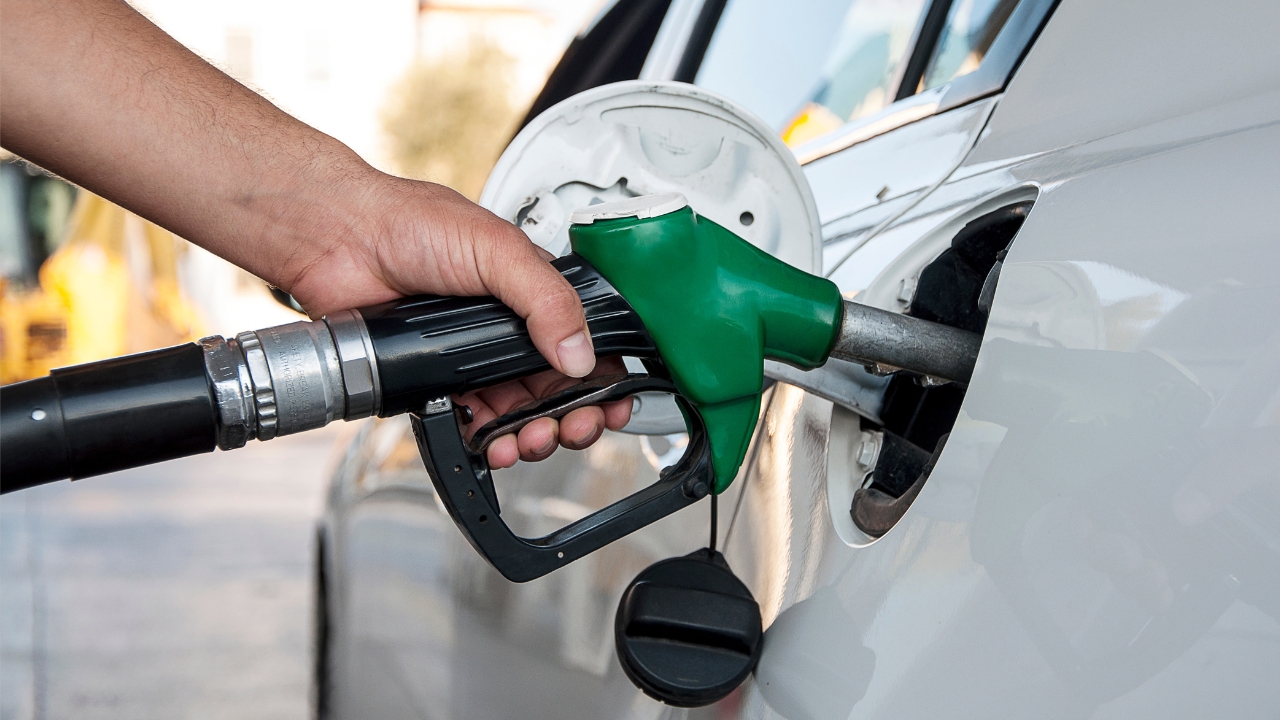


Prices of petroleum products are expected to be cut by up to Rs6.82 per litre in the next fuel price revision. According to Arif Habib Limited (AHL), persistent increases in fuel prices have created room for the government to reduce the prices of both high-speed diesel and petrol.
Currently, the price of petrol stands at a staggering Rs272.15 per litre. Similarly, HSD prices have surged to a whopping Rs284.35 per litre.
Previous price revisions resulted in an increase of Rs11.37 per litre of HSD. Moreover, earlier this month, petrol prices reportedly surged by Rs5.36 per litre, causing strain on consumers.
This marked the second consecutive increase in fuel prices in one month. However, AHL has suggested that the federal government can now reduce petrol prices by Rs6.82 per litre for the next fortnight.
HSD prices could also drop by Rs1.68 per litre, with the new petrol price estimated at Rs265.33 per litre, while HSD is expected to fall to Rs282.67 per litre.
The drop in HSD prices could provide cost savings for the transport and agriculture sectors. Lower HSD prices have positive effects on the economy as they directly decrease the prices of food. This is because it is widely used in the agricultural sector to power tractors and other mechanised farming equipment.
A fall in HSD rates could also benefit the transport sector, given its reliance on fuel. For instance, the transportation sector has diesel as a primary input and thus requires vast quantities of the commodity. Lower HSD prices imply lower operational costs for businesses in the transportation sector.
Moreover, the projected drop in fuel prices is likely to boost economic activity for businesses that transport goods from factories to stores, as transportation costs will decrease, resulting in a rise in profit margins.
However, the benefit of lower fuel prices is not likely to extend completely to individuals who rely on private buses and wagons to commute. This is because analysts have suggested that fares tend to be sticky when rates drop after an increase. As such, the expected drop in the price of fuel might not result in a proportional decrease in fares.
'%3e%3crect%20y='0.445312'%20width='48'%20height='48'%20rx='24'%20fill='white'%20fill-opacity='0.5'/%3e%3crect%20x='0.5'%20y='0.945312'%20width='47'%20height='47'%20rx='23.5'%20stroke='%23808080'/%3e%3cpath%20d='M34.625%2024.4453L14%2024.4453'%20stroke='%23808080'%20stroke-width='0.920053'/%3e%3cpath%20d='M23.375%2034.4453L13.375%2024.4453L23.375%2014.4453'%20stroke='%23808080'%20stroke-width='0.920053'/%3e%3c/g%3e%3cdefs%3e%3cfilter%20id='filter0_b_489_44344'%20x='-12'%20y='-11.5547'%20width='72'%20height='72'%20filterUnits='userSpaceOnUse'%20color-interpolation-filters='sRGB'%3e%3cfeFlood%20flood-opacity='0'%20result='BackgroundImageFix'/%3e%3cfeGaussianBlur%20in='BackgroundImageFix'%20stdDeviation='6'/%3e%3cfeComposite%20in2='SourceAlpha'%20operator='in'%20result='effect1_backgroundBlur_489_44344'/%3e%3cfeBlend%20mode='normal'%20in='SourceGraphic'%20in2='effect1_backgroundBlur_489_44344'%20result='shape'/%3e%3c/filter%3e%3c/defs%3e%3c/svg%3e)
'%3e%3crect%20y='0.445312'%20width='48'%20height='48'%20rx='24'%20fill='white'%20fill-opacity='0.5'/%3e%3crect%20x='0.5'%20y='0.945312'%20width='47'%20height='47'%20rx='23.5'%20stroke='%23808080'/%3e%3cpath%20d='M13.375%2024.4453L34%2024.4453'%20stroke='%23808080'%20stroke-width='0.920053'/%3e%3cpath%20d='M24.625%2014.4453L34.625%2024.4453L24.625%2034.4453'%20stroke='%23808080'%20stroke-width='0.920053'/%3e%3c/g%3e%3cdefs%3e%3cfilter%20id='filter0_b_489_44344'%20x='-12'%20y='-11.5547'%20width='72'%20height='72'%20filterUnits='userSpaceOnUse'%20color-interpolation-filters='sRGB'%3e%3cfeFlood%20flood-opacity='0'%20result='BackgroundImageFix'/%3e%3cfeGaussianBlur%20in='BackgroundImageFix'%20stdDeviation='6'/%3e%3cfeComposite%20in2='SourceAlpha'%20operator='in'%20result='effect1_backgroundBlur_489_44344'/%3e%3cfeBlend%20mode='normal'%20in='SourceGraphic'%20in2='effect1_backgroundBlur_489_44344'%20result='shape'/%3e%3c/filter%3e%3c/defs%3e%3c/svg%3e)
