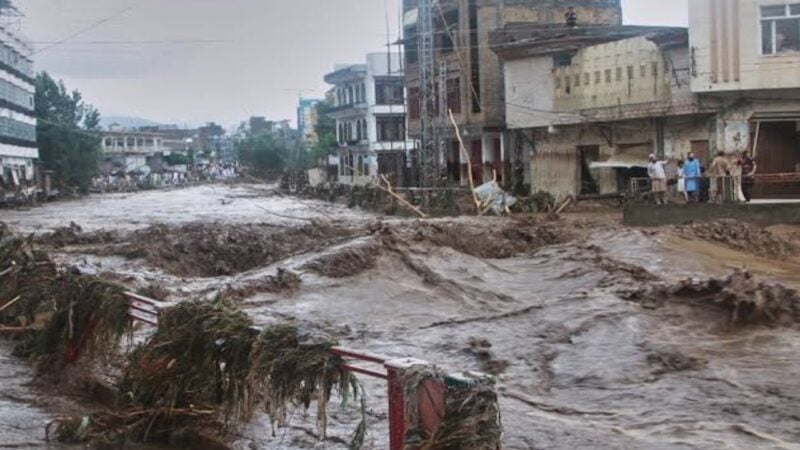
The Punjab government has placed the irrigation department on “high-alert” footing for the monsoon season, as authorities grapple with significant uncertainty regarding river flows following India’s unilateral suspension of the Indus Waters Treaty (IWT).
The lack of reliable hydrological data has complicated preparations, as reports confirmed that India has withheld information since the treaty was placed in abeyance in April 2025.
Addressing the resulting risks, Lahore Commissioner Nauman Yousaf highlighted the gravity of the situation during a recent briefing, directing the irrigation department to take extra precautionary measures.
“If they [India] are not giving information [related to river flows, flood situation etc], then we must be very vigilant. So, if the flood situation is normal, you must make arrangements required for medium floods and if the situation is medium, then go for arrangements that are required under the high-flood category,” the commissioner directed the irrigation officers.
Local administrations, specifically in Lahore and Sheikhupura, have also been instructed to finalise all flood-related protocols.
Precautionary measures include clearing temporary encroachments from the Ravi riverbed and initiating a crackdown on illegal sand excavation near strategic bridges, which threatens critical infrastructure.
Reports note that while social media reports regarding a sudden surge in the Ravi have caused public anxiety, senior irrigation officials have rejected the claims, stating that water flows in all rivers including the Indus, Jhelum, Chenab, Ravi and Sutlej remain within normal ranges.