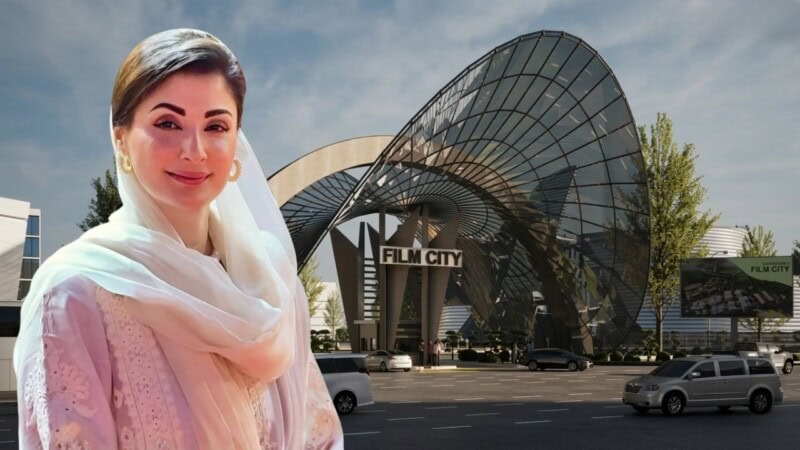
The Punjab Assembly passed the Punjab Film City Authority Bill 2026 on Wednesday following a session defined by shouting matches and procedural disputes. Senior Minister Marriyum Aurangzeb moved the bill, which establishes a framework to build a modern film city inclusive of film schools, music academies, and production houses.
During the floor debate, Aurangzeb described the local film industry as a “collapsed” sector.
She stated that the lack of screen tourism and production capacity has impacted the country’s international image. According to the minister, the project is a long-term policy initiative backed by 18 months of planning.
She rejected claims of misplaced spending, noting that the education budget increased from Rs30 billion to Rs130 billion, alongside growth in health and agriculture funding.
“The opposition is misleading the House and presenting incorrect figures,” Aurangzeb said while defending the government’s fiscal priorities.
The opposition benches, led by Mian Ejaz Shafi, challenged the urgency of the legislation. Lawmakers argued that the province faces a crisis with 25 million children out of school and strained public services.
Opposition members alleged that the government is diverting funds from essential sectors like health and education to finance the film project.
Critics also questioned the legislative process, claiming the draft was pushed through without sufficient time for scrutiny or consultation with industry stakeholders. The session was frequently interrupted by personal remarks and political rhetoric.
Opposition members made sarcastic comments regarding the leadership’s interest in arts and music, prompting Speaker Malik Muhammad Ahmad Khan to expunge several statements from the official record.
“The assembly is a legislative forum, not a political stage,” the speaker remarked, while attempting to restore order.
Treasury members, including Mujtaba Shujaur Rehman, defended the move as an economic necessity. They argued that the authority would create jobs for technicians and artists while preserving cultural heritage.
Other opposition figures, including Waqas Maan and Mushtaq Ahmad, raised concerns regarding transparency and the role of the bureaucracy in executing the project.
Despite the uproar and heated exchanges, the treasury benches moved forward with the clauses. Aurangzeb maintained that the initiative provides institutional support to a dead industry and aims to build a sustainable creative economy.