A special committee reviewing the Pakistan Telecommunication (Re-organisation) Amendment Bill 2026 has suggested major changes to the language of the proposed legislation following controversy over multiple clauses.
Prime Minister (PM) Shehbaz Sharif had constituted the special panel after the Senate Standing Committee on IT and Telecom raised objections regarding the installation of telecom towers on private property.
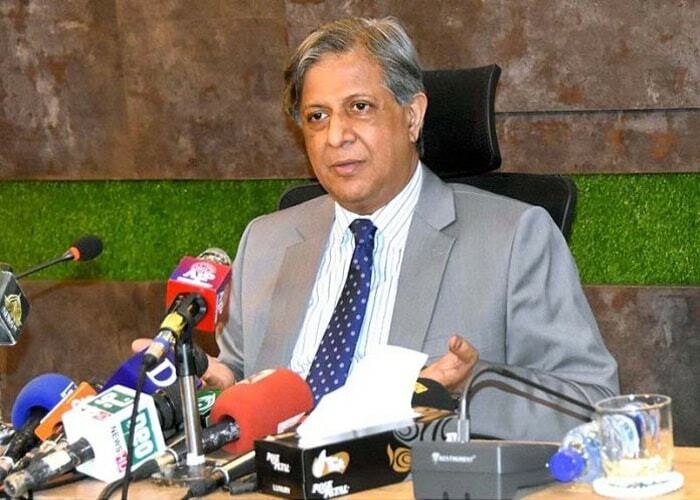
The review committee, headed by Law Minister Azam Nazeer Tarar, submitted its report focusing specifically on the right-of-way provisions in the bill already approved by the Lower House earlier this month.
According to a statement issued by the law ministry, the committee reviewed the proposed amendments alongside the existing legal framework for right-of-way.
The ministry stated that while the primary objective of the bill is to improve digital connectivity across Pakistan, the rights of citizens must also be protected.
The panel noted that clarification is required in the language of specific provisions.
The committee also identified ambiguity in the technical terms used in the legislation. It stated that there is a need to maintain a clear distinction between the terminologies for “above-ground” and “underground” telecom structures, rights of way and related equipment.
Senate committee members previously noted that combining optic fibre and telecom towers into a single clause is technically incorrect.
Following deliberations, the committee noted that for private property, the consent of the owner and a mutual agreement will remain a fundamental condition.
The law ministry stated that no action related to the use of or access to private property shall be taken without owner’s consent and mutual agreement.
Furthermore, the panel stated that the application of the amendment bill requires clarification regarding land owned or managed by public institutions, as well as federal, provincial and local governments.
The committee also observed a need for clarity regarding the application of the law over buildings, property and assets, as well as cooperative housing societies and similar institutions.