In a tragic turn of events, Hollywood legend Gene Hackman and his wife, Betsy Arakawa, were both found dead in their Santa Fe, New Mexico, home earlier this year. What shocked many even more was the revelation that Arakawa, 65, had died due to hantavirus, a rare but deadly virus carried by rodents. Following an environmental inspection of their property, multiple rodent nests and signs of infestation were found in nearby buildings, raising concerns about how the infection may have spread.
Let’s break down everything we know about this heartbreaking incident, how hantavirus works, and what it means for public health.
What Is Hantavirus?
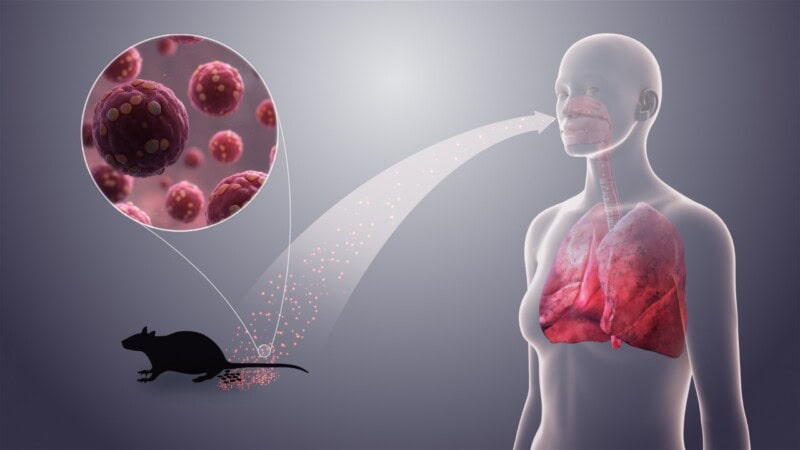
Hantavirus is a virus carried mainly by wild rodents, especially deer mice. Humans can contract it when they inhale particles contaminated with rodent urine, droppings, or saliva. This often happens when people are cleaning sheds, garages, or other enclosed areas where rodents may be nesting.
According to the Centers for Disease Control and Prevention (CDC), the virus can cause Hantavirus Pulmonary Syndrome (HPS), a severe respiratory illness with symptoms such as:
-
Fatigue
-
Fever
-
Muscle aches
-
Shortness of breath
-
Dizziness and abdominal pain
If not treated in time, HPS can rapidly progress and may lead to death. The CDC reports a 38% mortality rate for patients once respiratory symptoms begin.
What Happened at Gene Hackman’s Home?
Authorities in New Mexico found the bodies of Gene Hackman, 95, and Betsy Arakawa, 65, on February 26, 2025. However, investigators believe Arakawa had already died around February 12, possibly a week before Hackman, who was suffering from advanced Alzheimer’s disease.
A week after their discovery, on March 5, an environmental health inspection of the property was carried out by the New Mexico Department of Public Health. Here’s what they found:
Findings in the Outbuildings:
-
Rodent nests, faeces, and dead rodents were found in three garages.
-
Additional droppings were located in two small houses and three storage sheds.
-
Live rodents and traps were present in some areas.
-
Two abandoned vehicles on the property also had signs of infestation.
Proximity to the Main House:
All eight infested outbuildings were within 50 yards (approx. 45 meters) of the main house, but health officials reported that the main residence was clean and showed no visible signs of rodent activity.
Cause of Death and Timeline
Betsy Arakawa
-
Cause of death: Hantavirus Pulmonary Syndrome
-
Likely died: Around February 12
-
Officials believe she contracted the virus from nearby rodent-infested structures.
Gene Hackman
-
Cause of death: Severe heart disease, with Alzheimer’s disease as a contributing factor
-
Likely died: Around February 18
-
Due to his mental condition, he may not have been aware of his wife’s passing.
Why Is Hantavirus So Dangerous?
Though rare, hantavirus infections are extremely dangerous. Between 1993 and 2022, the CDC recorded 864 confirmed cases in the U.S., mostly in rural western states like New Mexico, Colorado, and Arizona. The virus doesn’t spread from human to human—only from rodents to humans making it difficult to detect early unless rodent exposure is suspected.
Warning Signs and How to Stay Safe
Given the seriousness of this case, health experts are urging the public to take extra care when dealing with potential rodent exposure.
Steps to Prevent Hantavirus Infection:
-
Seal Up: Close up holes and gaps in your home or outbuildings where rodents could enter.
-
Trap Up: Use proper rodent traps to reduce their population.
-
Clean Up Safely: Avoid sweeping or vacuuming rodent droppings. Use disinfectants and wear gloves and a mask during cleanup.
-
Air Out: Before cleaning enclosed spaces like sheds or garages, open them up for 30 minutes to air out any airborne particles.
If you’re experiencing symptoms such as fever, fatigue, and trouble breathing after rodent exposure, seek medical help immediately.
Public Reaction and Investigation Outcome
The deaths of Gene Hackman and Betsy Arakawa have deeply saddened both Hollywood fans and the wider public. Hackman, known for his roles in classics like The French Connection and Unforgiven, had lived a quiet life in Santa Fe for years with his wife.
The environmental report confirmed that while the main residence was rodent-free, the surrounding outbuildings were not, leading to suspicions that hantavirus exposure likely happened during day-to-day interactions with these external structures.
Final Thoughts
The incident highlights the real but often overlooked danger of hantavirus, especially in rural or semi-rural areas where rodent activity can go unnoticed. Even clean homes are not immune if nearby structures are infested.
For now, officials are encouraging homeowners, especially in the western United States, to be vigilant and educate themselves on the risks of hantavirus. The tragedy that befell Gene Hackman and his wife is a powerful reminder of the importance of rodent control and early detection.
Read More: Why Dr. Reddy’s Workforce Reduction is Trending Now