
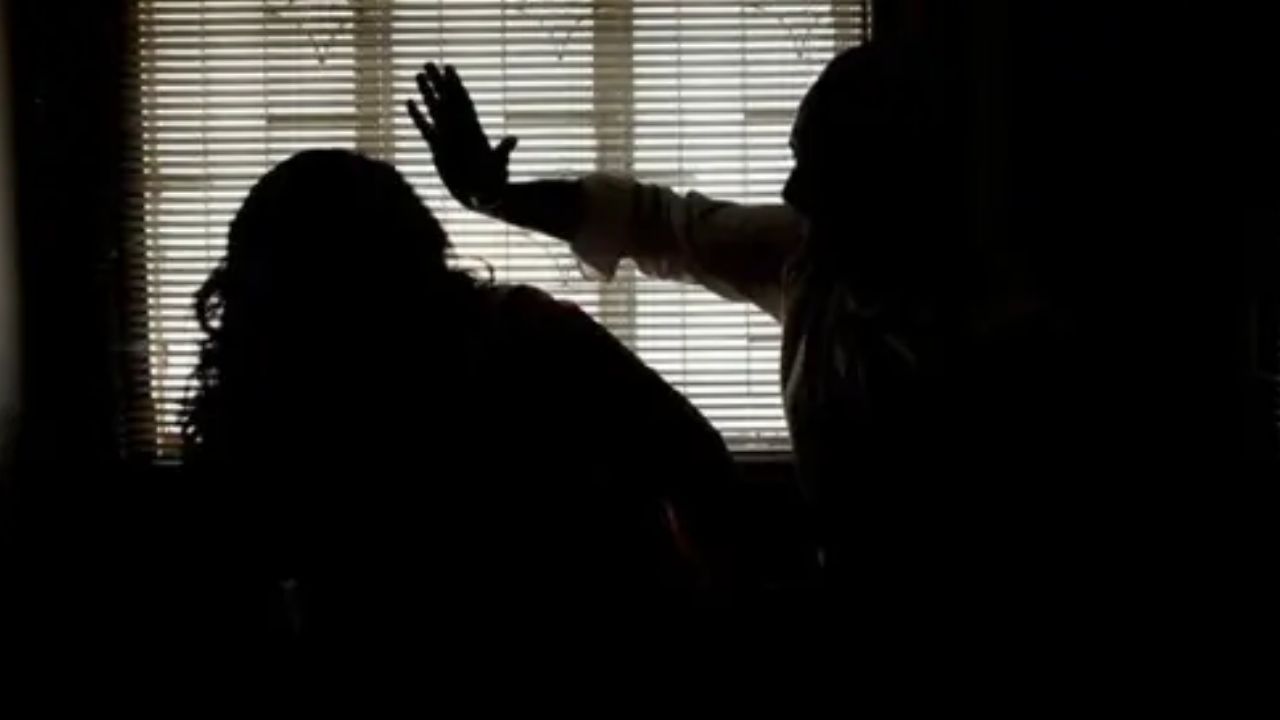


The Supreme Court of Pakistan (SCP) has lamented society’s indifference towards victims of domestic abuse, observing that women subjected to prolonged violence by their husbands or in-laws are often forced by their families to return to the same hostile households.
Justice Ishtiaq Ibrahim passed the remarks in a six-page judgement in a domestic violence-related murder case.
“With a heavy heart we state that in similar cases, where daughters are subjected to sustained maltreatment by their husbands or in-laws, it is the sad state of our society, though with a few exceptions, that families still compel them to return to the same abusive environment,” the judge stated.
A three-member bench headed by Justice Muhammad Hashim Kakar was hearing a jail petition filed by Khursheed Ahmad, challenging a Lahore High Court’s Rawalpindi bench decision dated February 1, 2022. The SC, however, dismissed the petition and maintained the petitioner’s conviction for the murder of his wife Gulshan Bibi.
In his opinion, Justice Ibrahim underscored that women enduring such treatment were clear victims of domestic violence and were entitled to legal protection, empathy and effective remedies. He added that deep-rooted social attitudes and cultural pressures often pushed families to send their daughters back into circumstances that amounted to nothing less than a ‘living hell’, he observed.
The record showed that Khursheed Ahmad was initially convicted on February 12, 2021, by an additional sessions judge in Fatehjang, Attock, under Section 302(b) of the Pakistan Penal Code. He was awarded life imprisonment and directed to pay Rs200,000 as compensation to the legal heirs of the deceased under Section 544-A of the Code of Criminal Procedure.
Subsequently, the Lahore High Court altered the conviction, setting aside the sentence under Section 302(b) and instead convicting him under Section 316 of the PPC for Qatl Shibh-i-Amd. The court sentenced him to 10 years in prison and ordered him to pay diyat amounting to Rs2,055,936 to the heirs of the deceased.
Through the present jail petition, the convict sought leave to appeal against the high court’s ruling. After reviewing the trial record and evidence, the SC declined to interfere with the findings.
The judgement noted that testimony from a prosecution witness stated that the convict was unemployed, addicted to narcotics and frequently engaged in disputes with his wife. After repeated physical abuse, Gulshan Bibi left her matrimonial home in 2018 and moved in with her parents. However, following mediation by family elders, the couple reconciled and began living together again shortly before Eid.
According to the witness, on July 21, 2019, he received a phone call from a woman living near his sister’s residence, informing him that Gulshan Bibi had been killed by her husband. He, along with his brothers Rasheed, Naseem Gul and Muhammad Akhlaq Ahmad, rushed to the house and found her lying dead.
Another prosecution witness, Muhammad Ali, told the court that the couple’s minor son had disclosed that his father assaulted his mother with a wooden plank during the night. The child also stated that a man identified as Raees Pathan had slapped her, after which she lost consciousness and later died.
'%3e%3crect%20y='0.445312'%20width='48'%20height='48'%20rx='24'%20fill='white'%20fill-opacity='0.5'/%3e%3crect%20x='0.5'%20y='0.945312'%20width='47'%20height='47'%20rx='23.5'%20stroke='%23808080'/%3e%3cpath%20d='M34.625%2024.4453L14%2024.4453'%20stroke='%23808080'%20stroke-width='0.920053'/%3e%3cpath%20d='M23.375%2034.4453L13.375%2024.4453L23.375%2014.4453'%20stroke='%23808080'%20stroke-width='0.920053'/%3e%3c/g%3e%3cdefs%3e%3cfilter%20id='filter0_b_489_44344'%20x='-12'%20y='-11.5547'%20width='72'%20height='72'%20filterUnits='userSpaceOnUse'%20color-interpolation-filters='sRGB'%3e%3cfeFlood%20flood-opacity='0'%20result='BackgroundImageFix'/%3e%3cfeGaussianBlur%20in='BackgroundImageFix'%20stdDeviation='6'/%3e%3cfeComposite%20in2='SourceAlpha'%20operator='in'%20result='effect1_backgroundBlur_489_44344'/%3e%3cfeBlend%20mode='normal'%20in='SourceGraphic'%20in2='effect1_backgroundBlur_489_44344'%20result='shape'/%3e%3c/filter%3e%3c/defs%3e%3c/svg%3e)
'%3e%3crect%20y='0.445312'%20width='48'%20height='48'%20rx='24'%20fill='white'%20fill-opacity='0.5'/%3e%3crect%20x='0.5'%20y='0.945312'%20width='47'%20height='47'%20rx='23.5'%20stroke='%23808080'/%3e%3cpath%20d='M13.375%2024.4453L34%2024.4453'%20stroke='%23808080'%20stroke-width='0.920053'/%3e%3cpath%20d='M24.625%2014.4453L34.625%2024.4453L24.625%2034.4453'%20stroke='%23808080'%20stroke-width='0.920053'/%3e%3c/g%3e%3cdefs%3e%3cfilter%20id='filter0_b_489_44344'%20x='-12'%20y='-11.5547'%20width='72'%20height='72'%20filterUnits='userSpaceOnUse'%20color-interpolation-filters='sRGB'%3e%3cfeFlood%20flood-opacity='0'%20result='BackgroundImageFix'/%3e%3cfeGaussianBlur%20in='BackgroundImageFix'%20stdDeviation='6'/%3e%3cfeComposite%20in2='SourceAlpha'%20operator='in'%20result='effect1_backgroundBlur_489_44344'/%3e%3cfeBlend%20mode='normal'%20in='SourceGraphic'%20in2='effect1_backgroundBlur_489_44344'%20result='shape'/%3e%3c/filter%3e%3c/defs%3e%3c/svg%3e)