The National Assembly (NA) has approved the Pakistan Telecommunication Reorganisation (Amendment) Bill 2026, transferring the draft to the Senate for further deliberation.
The same, however, has not sit well with the masses as the proposed legislation allows licensed telecommunication and mobile phone companies to install towers and lay optical fibre cables on private residential properties, commercial plots and government institutions.
Under Section 27B of the amendment bill, property owners, landlords, tenants and public or private institutions are required to provide space for the infrastructure and telecom operators can access these lands following a notice period.
Any failure or refusal to grant right-of-way access to these companies attracts a maximum fine of Rs50 million (Rs5 crores).
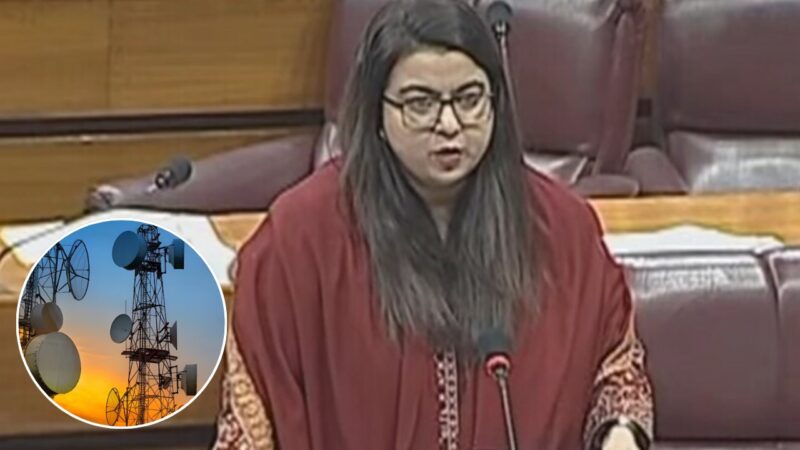
With the bill being referred to the Senate Standing Committee on Information Technology (IT) and Telecommunication for a clause-by-clause examination following pushback from lawmakers, Committee Chairperson Senator Palwasha Khan stated on a private news programme that the draft law restricts constitutional property rights and was finalised without sufficient consultation.
“The draft law could create serious concerns for landowners, particularly regarding clauses that allow infrastructure installation after a short notice period of 15 days,” she said, adding that these concerns had been communicated to the Ministry of IT prior to the passage of the bill in the Lower House.
While the committee has delayed further deliberations to review the penalties and provisions under Article 27A before proposing amendments and returning the bill to the National Assembly, the passage of the bill has drawn criticism from media figures and legal analyst regarding property rights and ministerial oversight.
Journalist Muhammad Malick questioned the legal basis of the draft, saying, “Neither your will, nor your home, nor your land. Which black law is the government bringing?”
Journalist Matiullah Jan criticised the IT minister and the absence of public accountability from the ministry, stating, “When you become a minister on the basis of family connections, this is the kind of legislation that follows. It’s astonishing that the said minister lacks even the moral courage to come before the media and explain herself on this matter.”
Journalist Rauf Klasra questioned the oversight of the lower house during the voting process, stating, “The astonishing thing is that this brutal bill has already been stealthily passed by the National Assembly. When it was sent to the Senate for approval, the IT Standing Committee members were left stunned.”
He wondered how the Lower House could pass such a dangerous law without a single one of the 340 members bothering to read the text, acting like deaf and mute spectators who granted telecom companies the power to seize any property and slap a Rs5 crore fine on the owner for refusal.
Columnist Dr. Sughra Sadaf called for structural accountability within the cabinet after learning about the bill on Rauf Klasra’s programme and said she was absolutely stunned to learn about it. “In a democracy, can a law like this even be passed, one that allows people to be evicted from their own homes?”
Economist Yousaf Nazar analysed the operational terms of the draft, calling the bill utterly “preposterous” for handing private mobile companies the power to enter land and install towers and cables whether the owner likes it or not.
The development has also triggered wider public reactions across social platforms tracking the legislative progress.