
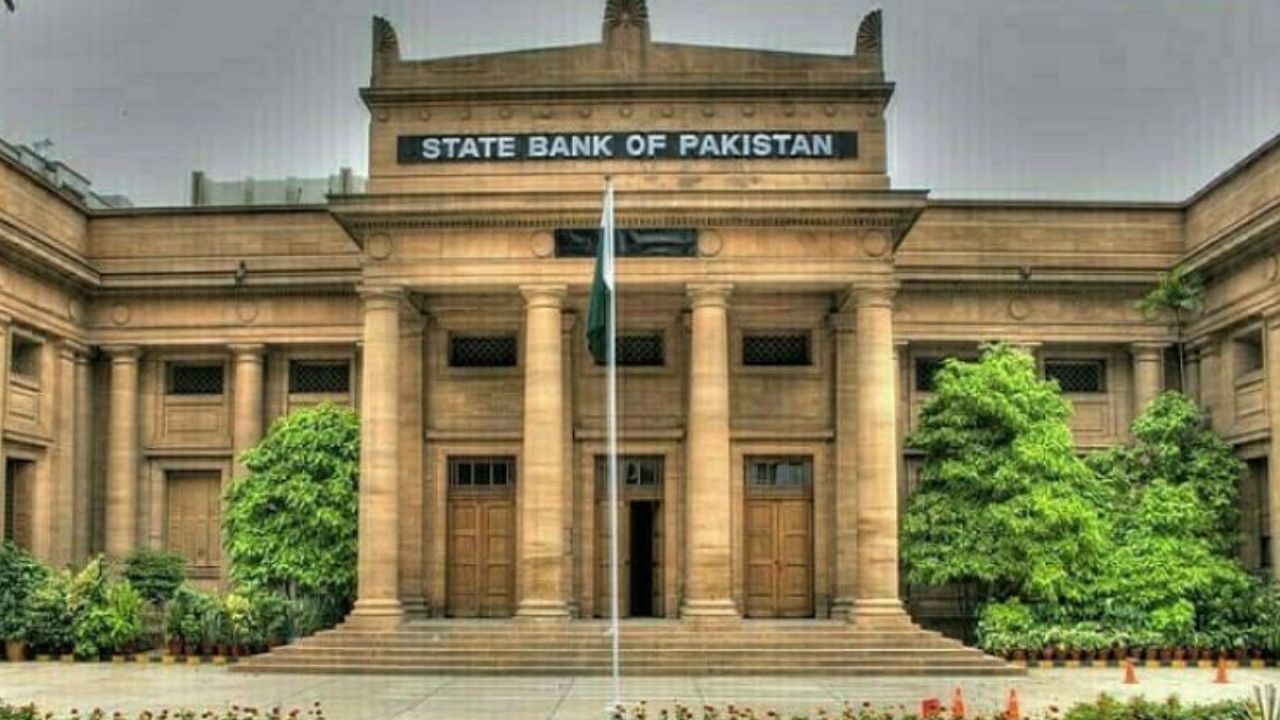


In a landmark shift, the State Bank of Pakistan (SBP) has announced plans to legalise virtual assets and roll out a central bank-backed digital currency.
As per the details, Deputy Governor Dr Inayat Hussain told the Senate Finance Committee that the SBP will issue a digital rupee, which will serve as a legitimate channel for acquiring virtual assets. This initiative is expected to lay the groundwork for a comprehensive regulatory framework governing digital transactions.
During the briefing, Senator Afnanullah Khan highlighted the urgency of regulation, noting that Pakistani citizens have already invested an estimated $21 billion in cryptocurrencies.
The proposed legislation outlines consumer protection measures and aims to ensure secure investment practices. The SBP is currently working with technology partners to develop the digital currency infrastructure, which will be distributed through designated offices across the country. A formal legal structure for cryptocurrency is also in development, with regulatory guidelines to follow upon finalization.
Dr Hussain added that the framework would extend to cross-border transactions, aligning Pakistan’s digital asset policies with global standards. A new regulatory body — Virtual Asset Regulatory Authority — is set to be formed under Section 6 of the draft ordinance. Its governing board will include top officials such as the SBP governor, federal secretaries from finance, law, and IT, and heads of the FBR, SECP and Digital Pakistan. The director general of the FIA will also be part of the board.
The Senate Finance Committee recommended expanding the board to include a member of the national assembly and a senator. It also proposed that the authority’s chairperson possess a minimum of five years’ experience, with an age cap of 55 years.
The bill also incorporates compliance measures in line with FATF, anti-money laundering (AML), and counter-terror financing (CTF) protocols.
It was discussed that the initial funding for the authority will come from the government, with future income expected through licensing, fines, and service charges. A legal consultant from the Ministry of Law and Justice emphasised that the authority would function independently to maintain a secure digital asset ecosystem.
Further suggestions from the committee included waiving the age limit for chairpersons serving a second term and introducing a percentage-based fee structure for service providers and exchanges. Senator Mohsin Aziz questioned the proposed $10,000 transaction cap, arguing for unrestricted limits.
Concerns around data privacy were also raised with Senator Afnan urging accountability for service providers in safeguarding user information. He warned against potential exploitation of data trends for financial gain.
Final deliberations were postponed until the next meeting.
'%3e%3crect%20y='0.445312'%20width='48'%20height='48'%20rx='24'%20fill='white'%20fill-opacity='0.5'/%3e%3crect%20x='0.5'%20y='0.945312'%20width='47'%20height='47'%20rx='23.5'%20stroke='%23808080'/%3e%3cpath%20d='M34.625%2024.4453L14%2024.4453'%20stroke='%23808080'%20stroke-width='0.920053'/%3e%3cpath%20d='M23.375%2034.4453L13.375%2024.4453L23.375%2014.4453'%20stroke='%23808080'%20stroke-width='0.920053'/%3e%3c/g%3e%3cdefs%3e%3cfilter%20id='filter0_b_489_44344'%20x='-12'%20y='-11.5547'%20width='72'%20height='72'%20filterUnits='userSpaceOnUse'%20color-interpolation-filters='sRGB'%3e%3cfeFlood%20flood-opacity='0'%20result='BackgroundImageFix'/%3e%3cfeGaussianBlur%20in='BackgroundImageFix'%20stdDeviation='6'/%3e%3cfeComposite%20in2='SourceAlpha'%20operator='in'%20result='effect1_backgroundBlur_489_44344'/%3e%3cfeBlend%20mode='normal'%20in='SourceGraphic'%20in2='effect1_backgroundBlur_489_44344'%20result='shape'/%3e%3c/filter%3e%3c/defs%3e%3c/svg%3e)
'%3e%3crect%20y='0.445312'%20width='48'%20height='48'%20rx='24'%20fill='white'%20fill-opacity='0.5'/%3e%3crect%20x='0.5'%20y='0.945312'%20width='47'%20height='47'%20rx='23.5'%20stroke='%23808080'/%3e%3cpath%20d='M13.375%2024.4453L34%2024.4453'%20stroke='%23808080'%20stroke-width='0.920053'/%3e%3cpath%20d='M24.625%2014.4453L34.625%2024.4453L24.625%2034.4453'%20stroke='%23808080'%20stroke-width='0.920053'/%3e%3c/g%3e%3cdefs%3e%3cfilter%20id='filter0_b_489_44344'%20x='-12'%20y='-11.5547'%20width='72'%20height='72'%20filterUnits='userSpaceOnUse'%20color-interpolation-filters='sRGB'%3e%3cfeFlood%20flood-opacity='0'%20result='BackgroundImageFix'/%3e%3cfeGaussianBlur%20in='BackgroundImageFix'%20stdDeviation='6'/%3e%3cfeComposite%20in2='SourceAlpha'%20operator='in'%20result='effect1_backgroundBlur_489_44344'/%3e%3cfeBlend%20mode='normal'%20in='SourceGraphic'%20in2='effect1_backgroundBlur_489_44344'%20result='shape'/%3e%3c/filter%3e%3c/defs%3e%3c/svg%3e)