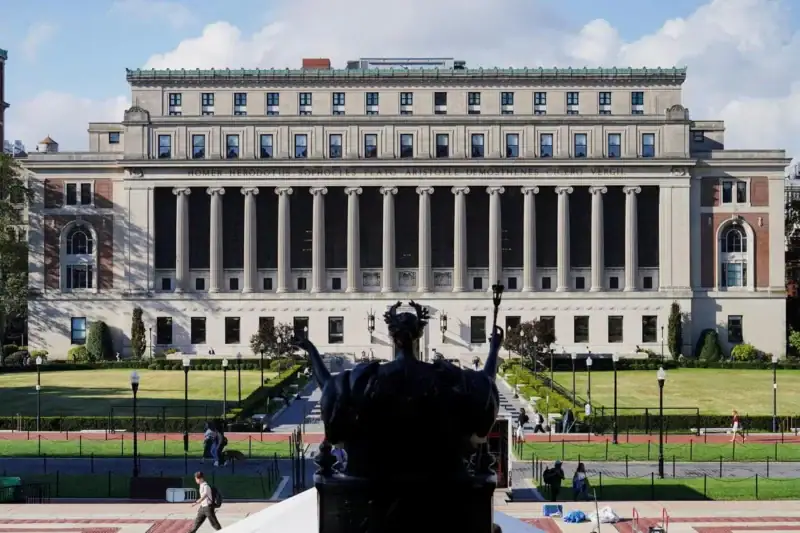
International students are increasingly choosing universities in Asia and continental Europe over institutions in the United States (US) and Britain as tighter visa restrictions and changes in immigration policies affect their decisions about where to pursue higher education, a global university survey showed on Thursday.
The survey, conducted by Studyportals, NAFSA and Oxford Test of English, covered 437 universities across 63 countries and found that US and Britain recorded the steepest declines in international undergraduate enrolments between October and August compared with the same period a year earlier.
Britain recorded a 19 percent decline in international undergraduate numbers, while the US saw a 13 percent drop.
Canada and Australia also experienced weaker demand, while universities across Asia and continental Europe reported growth in international student enrolments.
International students typically pay higher tuition fees than domestic students, making them an important source of revenue for universities. Their fees also help institutions cover teaching and research costs.
The survey identified visa restrictions and government policies as the main barriers to international student recruitment. Delays in visa processing, stricter screening procedures and changes to post-study work rules have prompted students to postpone or abandon their plans to study abroad.
US universities expressed the most concern about future enrolments, with more than a third expecting international student numbers to decline further in the coming years.
The decline in interest in US universities comes as President of US Donald Trump tightens scrutiny of international students. His administration has expanded social media checks, revoked thousands of visas and introduced stricter rules governing how long international students can remain in the country.
The survey took place before the November 3 midterm elections, in which Democrats won control of both chambers of Congress. However, Trump retains executive authority over visa rules.
Britain has also tightened student visa requirements as successive governments seek to reduce immigration.
The restrictions prevent most international students from bringing dependants to the country. The government also plans to shorten the period graduates can remain in Britain to work or look for employment after completing their studies.
Commenting on the findings, NAFSA executive director and chief executive officer Dr Fanta Aw said that national policies play a role in shaping international students’ decisions about their education and careers.
“These survey results affirm what we’ve observed before: national policies matter to international students making major decisions about where to study, conduct research, or start a career,” Aw said.