A former scientist at India’s Defence Research and Development Organisation (DRDO) is facing trial after a Pune court framed charges against him for allegedly sharing sensitive information related to India’s strategic defence programmes after being lured through a honeytrap.
According to a chargesheet filed by the Maharashtra Anti-Terrorism Squad (ATS), Pradeep Kurulkar allegedly shared the information through WhatsApp conversations over several months with a woman identifying herself as “Zara Dasgupta”.
While the woman claimed to be a London-based software engineer, investigators allege she was a Pakistani intelligence operative.
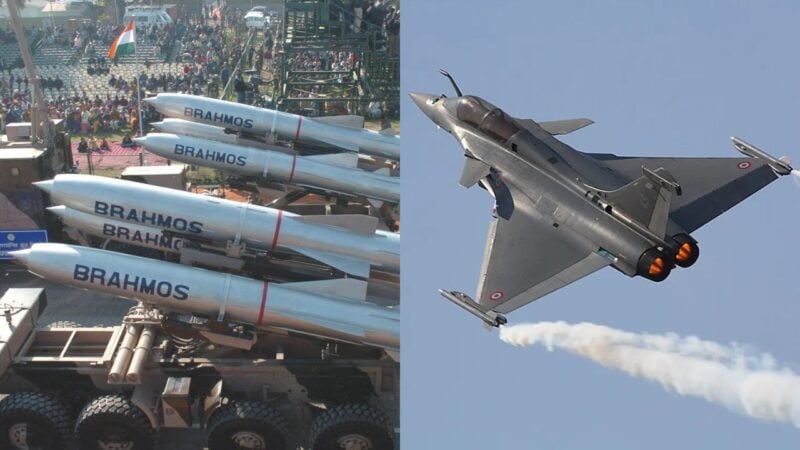
The ATS alleged that what began as casual conversations gradually shifted to discussions on India’s strategic military programmes, including the BrahMos cruise missile, Agni-6 project, Meteor missiles, Rafale fighter jets, Unmanned Combat Aerial Vehicles and drone projects.
WhatsApp exchanges cited in the chargesheet allegedly show Kurulkar telling the woman he possessed the “initial design report” on all BrahMos versions and discussed the progress of the Agni-6 missile programme.
He also allegedly shared his work schedule, official meetings, locations and details of colleagues.
The ATS said that Kurulkar willingly shared the information and was not blackmailed. Investigators further alleged that he used his personal mobile phone to communicate the information in violation of DRDO security protocols and that the woman persuaded him to install smartphone applications that forensic experts later identified as malware.
Kurulkar deleted chats and media files before his devices were seized in February 2023, but forensic experts recovered portions of the conversations. He was subsequently removed as director, suspended and arrested.
The prosecution has relied on statements from more than 60 witnesses, around 140 documents, forensic analysis and seized electronic devices.
Kurulkar has denied any wrongdoing, with his defence arguing that the information cited was already available in the public domain and could not be treated as classified.
While his bail plea was rejected, the charges framed against him pertain to espionage, communication with foreign agents and wrongful communication of official information.