
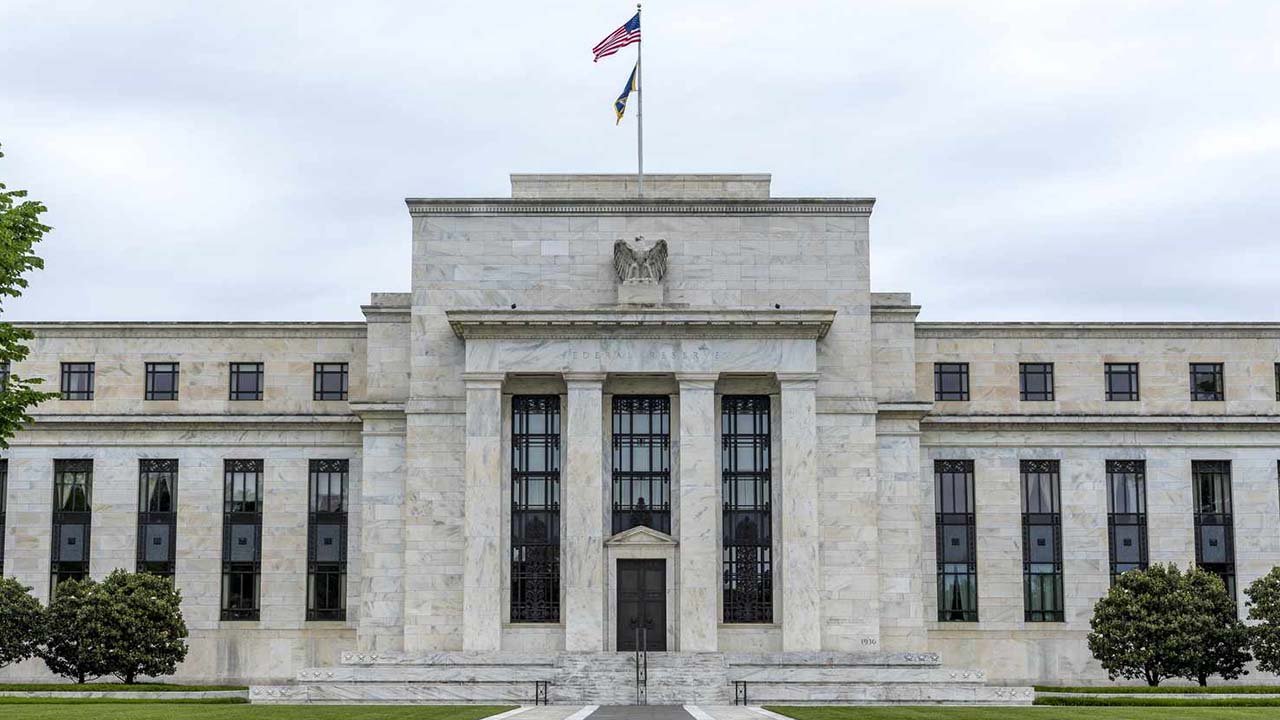


The US Federal Reserve has once again left interest rates unchanged, maintaining its current rate at 5.25 per cent to 5.5 per cent.
This marks the sixth consecutive meeting where the central bank has opted to hold steady, reflecting a cautious approach amid persistent inflation concerns.
In a statement released by the Federal Open Market Committee (FOMC) on Wednesday, the central bank acknowledged that while inflation has eased over the past year, it remains elevated.
“In recent months, there has been a lack of further progress towards the Committee’s 2 per cent inflation objective,” the FOMC noted.
The Committee indicated that it does not plan to reduce the target range until it has greater confidence that inflation is consistently trending towards the 2 per cent goal.
This stance has kept interest rates at a 23-year high since July last year, suggesting the Federal Reserve’s focus on managing inflation risks.
The decision to leave rates unchanged aligned with market expectations, which had largely anticipated a rate pause.
In a related development, the Federal Reserve announced that it would slow its pace of quantitative tightening starting June 1.
The Fed will reduce the cap on Treasury securities rolling off its balance sheet to $25 billion per month, down from the previous cap of $60 billion. However, the pace of runoff for mortgage-backed securities will remain at $35 billion per month.
The FOMC’s decision did not significantly alter market expectations for the trajectory of interest rates in 2024.
The market remains divided on whether a rate cut will occur by September, with about 50/50 odds. As of now, only one rate cut is fully priced in for the entire year.
It’s worth noting that at the beginning of 2024, the market had priced in an 80 per cent chance of a rate cut starting in March, with a total of six cuts projected throughout the year.
This shift in expectations underscores the uncertainty surrounding the Federal Reserve’s future policy decisions as it navigates the ongoing challenges of inflation and economic stability.
'%3e%3crect%20y='0.445312'%20width='48'%20height='48'%20rx='24'%20fill='white'%20fill-opacity='0.5'/%3e%3crect%20x='0.5'%20y='0.945312'%20width='47'%20height='47'%20rx='23.5'%20stroke='%23808080'/%3e%3cpath%20d='M34.625%2024.4453L14%2024.4453'%20stroke='%23808080'%20stroke-width='0.920053'/%3e%3cpath%20d='M23.375%2034.4453L13.375%2024.4453L23.375%2014.4453'%20stroke='%23808080'%20stroke-width='0.920053'/%3e%3c/g%3e%3cdefs%3e%3cfilter%20id='filter0_b_489_44344'%20x='-12'%20y='-11.5547'%20width='72'%20height='72'%20filterUnits='userSpaceOnUse'%20color-interpolation-filters='sRGB'%3e%3cfeFlood%20flood-opacity='0'%20result='BackgroundImageFix'/%3e%3cfeGaussianBlur%20in='BackgroundImageFix'%20stdDeviation='6'/%3e%3cfeComposite%20in2='SourceAlpha'%20operator='in'%20result='effect1_backgroundBlur_489_44344'/%3e%3cfeBlend%20mode='normal'%20in='SourceGraphic'%20in2='effect1_backgroundBlur_489_44344'%20result='shape'/%3e%3c/filter%3e%3c/defs%3e%3c/svg%3e)
'%3e%3crect%20y='0.445312'%20width='48'%20height='48'%20rx='24'%20fill='white'%20fill-opacity='0.5'/%3e%3crect%20x='0.5'%20y='0.945312'%20width='47'%20height='47'%20rx='23.5'%20stroke='%23808080'/%3e%3cpath%20d='M13.375%2024.4453L34%2024.4453'%20stroke='%23808080'%20stroke-width='0.920053'/%3e%3cpath%20d='M24.625%2014.4453L34.625%2024.4453L24.625%2034.4453'%20stroke='%23808080'%20stroke-width='0.920053'/%3e%3c/g%3e%3cdefs%3e%3cfilter%20id='filter0_b_489_44344'%20x='-12'%20y='-11.5547'%20width='72'%20height='72'%20filterUnits='userSpaceOnUse'%20color-interpolation-filters='sRGB'%3e%3cfeFlood%20flood-opacity='0'%20result='BackgroundImageFix'/%3e%3cfeGaussianBlur%20in='BackgroundImageFix'%20stdDeviation='6'/%3e%3cfeComposite%20in2='SourceAlpha'%20operator='in'%20result='effect1_backgroundBlur_489_44344'/%3e%3cfeBlend%20mode='normal'%20in='SourceGraphic'%20in2='effect1_backgroundBlur_489_44344'%20result='shape'/%3e%3c/filter%3e%3c/defs%3e%3c/svg%3e)