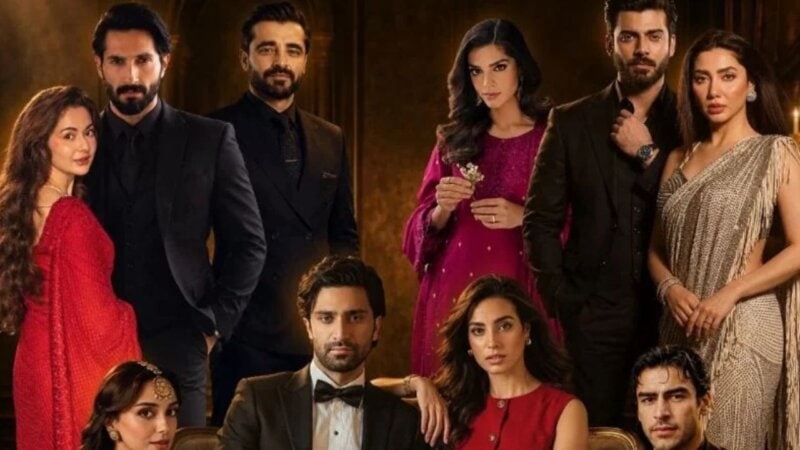
India’s panicked restrictions on popular Pakistani entertainment have brought international attention to the country’s television industry, with major international media outlets covering the growing popularity of Pakistani dramas among Indian audiences despite the ban.
Over the past two days many international news outlets, including Bloomberg, France 24, Al Jazeera and BBC have reported on the restrictions, the response from Indian viewers and the popularity of the Pakistani entertainment, bringing the country’s television productions into the international spotlight.
Bloomberg reported that Netflix’s first Pakistani original series could remain unavailable in India following the political tensions between the two countries after their brief armed conflict last year.
France 24 also highlighted the controversy with the headline, “Why is India so afraid of Pakistan’s new Netflix series?”, drawing attention to the restrictions surrounding Pakistani productions and their growing visibility beyond Pakistan.
Al Jazeera, meanwhile, reported that Indian viewers were finding ways to watch Pakistani dramas despite the ban, using VPNs and private screenings to follow their favourite shows.
The report highlighted the popularity of Dar-e-Nijaat, particularly its male lead character Abu Bakr, whose portrayal has Indian viewers raving about him.
It also reported that a private screening of the drama organised by cultural curator Abu Sufiyan Khan in New Delhi received more than 700 requests for attendance, despite having space for only 45 people.
One Indian viewer, Rakhshanda Mujib from Bengaluru, told Al Jazeera that she had been particularly drawn to Abu Bakr because of his empathetic personality, adding that viewers had been looking forward to a character like him.
The report also highlighted the difficulties Indian audiences face in accessing Pakistani entertainment, including restrictions on Pakistani artists’ Instagram accounts, music on Spotify and dramas on YouTube.
The controversy has also affected planned screenings of Pakistani productions in India. The BBC reported that two screenings of a Pakistani television show were cancelled following backlash from right-wing hyper nationalists.
Meanwhile, Reuters also covered developments surrounding the restrictions on Pakistani entertainment, adding to the international coverage of the issue.
The growing attention comes as Pakistani dramas continue to attract viewers beyond the country’s borders, with the latest controversy bringing renewed focus to their international following.
While restrictions have limited the official availability of Pakistani productions in India, viewer response and international coverage have brought further visibility to Pakistan’s television industry.