



Shazia Khalid*, a 28-year-old housewife, was sitting on a bench in a small park in Lahore, looking at her five playing children when we met. She had a spark in her eyes but visibly looked tired, at least a decade older than her age. Seven years ago, when she got married, she was denied the authority to take a break from giving birth every year except one time which cost her everything.
Shazia was in the final year of a Bachelor’s program when her family decided to marry her off. It was entirely their decision; she wasn’t even allowed to talk to her fiancé during the two months she was engaged to her future husband, a small general store owner.
Akmam*, Shazia’s husband, is 42, and has been running the store for the past 20 years as this is his family business. Shazia feels like there is less mental compatibility between the two due to the 14-year age difference between them which also has an impact on family planning, “He keeps saying that he needs more off-spring before he gets older. We had four children in the first four years of our marriage. I wasn’t prepared for it at all. I kept asking him to think about a gap or family planning, but he never listened to me.”
Teary-eyed, she explained how difficult her pregnancies were. Every time doctors advised her husband to wait for a year or two before the next pregnancy. “During my fourth child’s birth, my body almost collapsed. They had to give me a steroid shot to revive me. I was anemic and there was a lot of blood loss during childbirth. I went in shock and most things after that are blurry for me,” she said.
After the near-death experience, she decided that she needed to think about her well-being and her children. Thoughts of what would happen if they were left alone in this world haunted her. The spectre of death during her next pregnancy seemed a real possibility. Her husband was still adamant that he needed another child because he had only one son, born after three daughters. Khalid talked to her gynecologist who strictly prohibited her from birthing again, advising her to give two years to her body before getting pregnant again.
Since her husband wasn’t convinced, she secretly contacted her doctor to learn about contraceptives. After surety of discretion, she opted for an IUD (Intrauterine Contraceptive Device) which impacted her period cycle for two months but then everything was normal.
Her husband was frustrated within six months that Shazia wasn’t getting pregnant. Her mother-in-law started talking about a second marriage for her son as she wanted more grandchildren. After almost a year, she was forced by the in-laws to visit another doctor of their choice and that’s when the truth was revealed.
Shazia was beaten by her husband, the gynecologist who helped her was attacked too, the staff in her clinic was assaulted and Akram didn’t hesitate in breaking things. Distraught and heartbroken, Shazia was sent back to her parents’ home where she received divorce papers soon after. Her kids are still with her husband and like 9909 people, as per data of consolidated statement of Family Cases in Lahore, she is also waiting for a verdict on custody and visitation rights.

For gynecologist and physician Mehnaz Asim, who runs her practice in a lower socio-economic area of Lahore, these cases are a norm and to my surprise, religion is not the sole reason behind it. “Most of these people want more kids because they want them to be a part of the labor force and earn money from a young age. They don’t worry about their upbringing or education; they see their kids as a source of income.”
As per the United Nations Population Fund (UNFPA) 2023 data, contraceptive prevalence rate for any method of contraception is only 26 percent among women aged between 15 and 49 while for modern methods it is only 20 percent.
In a study conducted by the National Library of Medicine, the world’s largest biomedical library and a leader in research in computational health informatics, significant barriers to the adoption of IUDs in Pakistan were identified. These barriers include the reluctance of husbands, societal and cultural taboos, and heightened concerns regarding perceived side effects of IUD usage. Additionally, factors such as illiteracy, poverty, and low socioeconomic status were found to contribute to limited IUD utilization.
Other important factors contributing to such a low modern contraceptive prevalence rate of 35.4% in Pakistan include the conservative society imposing restrictions on women’s self-determination and self-governance.
Doctor Mehnaz thinks that it is important for people to know the pros and cons of every contraceptive method and there should be a strict rule implemented by the government regarding at least 2 years gap between children. “We are an overpopulous country with limited resources. Our government needs to implement this rule and penalize people who don’t follow it. This is not only important for the mother but for healthy childbirth too.”
Pros and Cons of Contraceptive Methods:
The Center for Young Women’s Health (CYWH), a partnership between the Division of Adolescent/Young Adult Medicine and the Division of Gynecology, at Boston Children’s Hospital, has extensively researched on the pros and cons of different methods of contraception and their success rate.
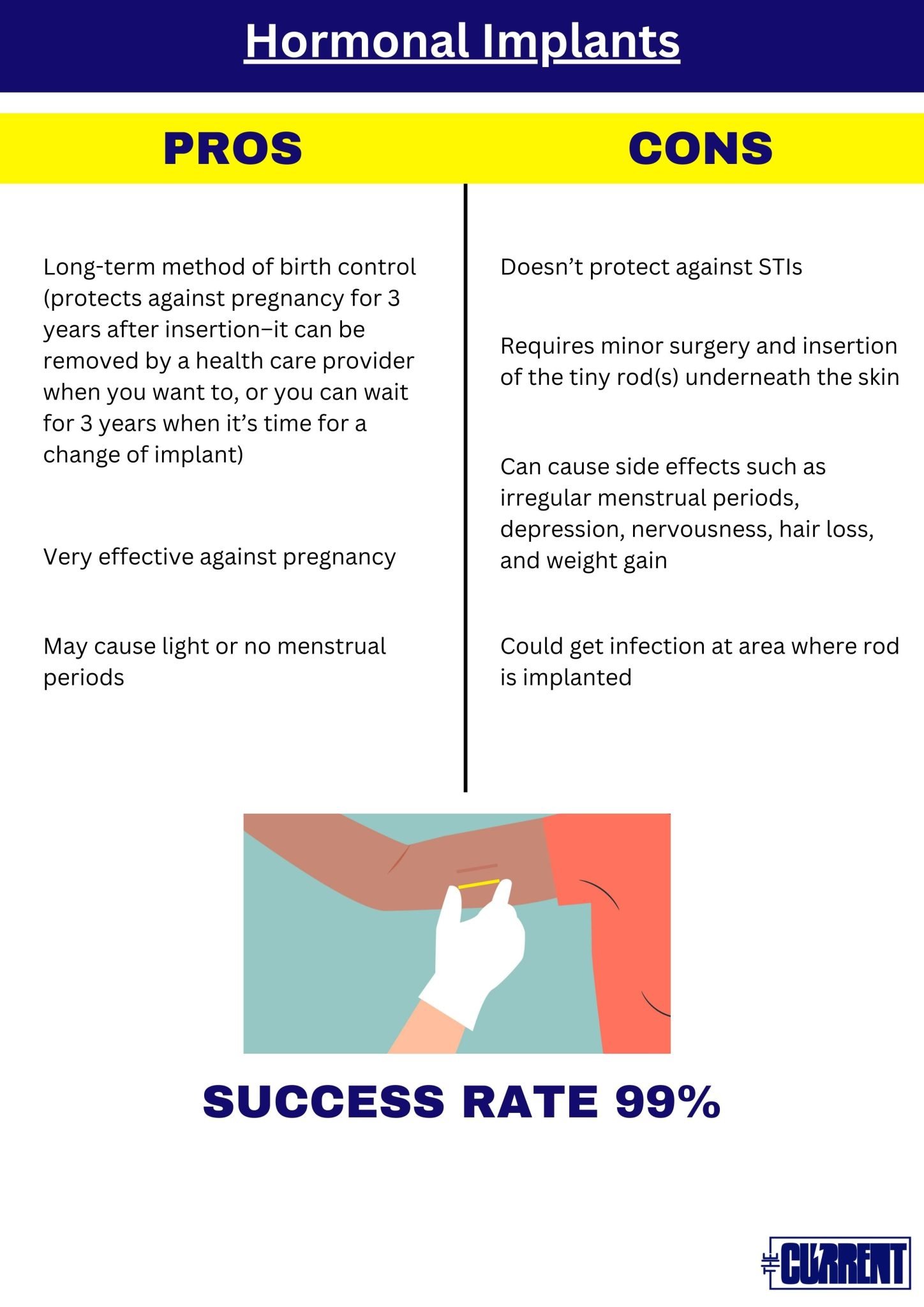

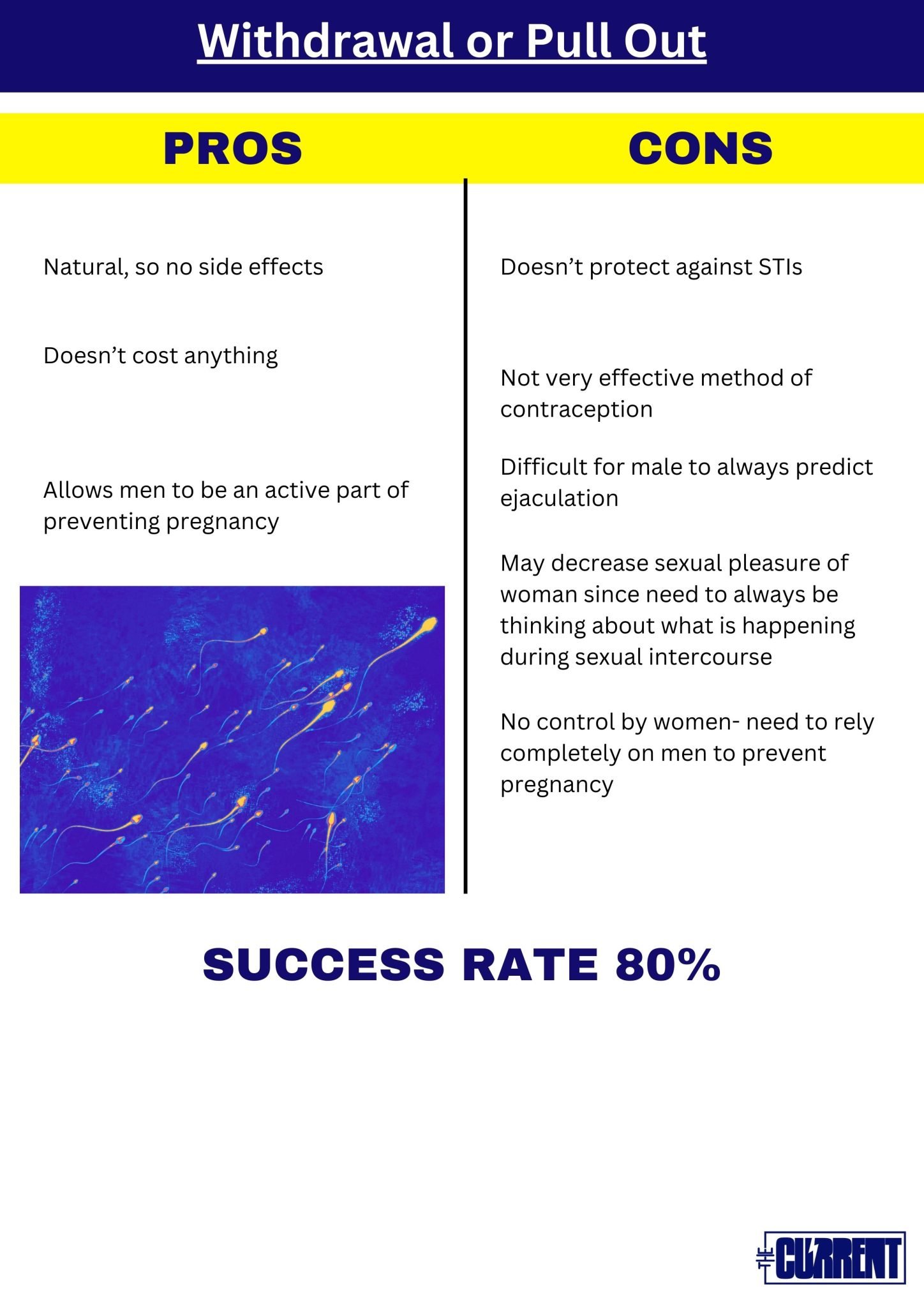
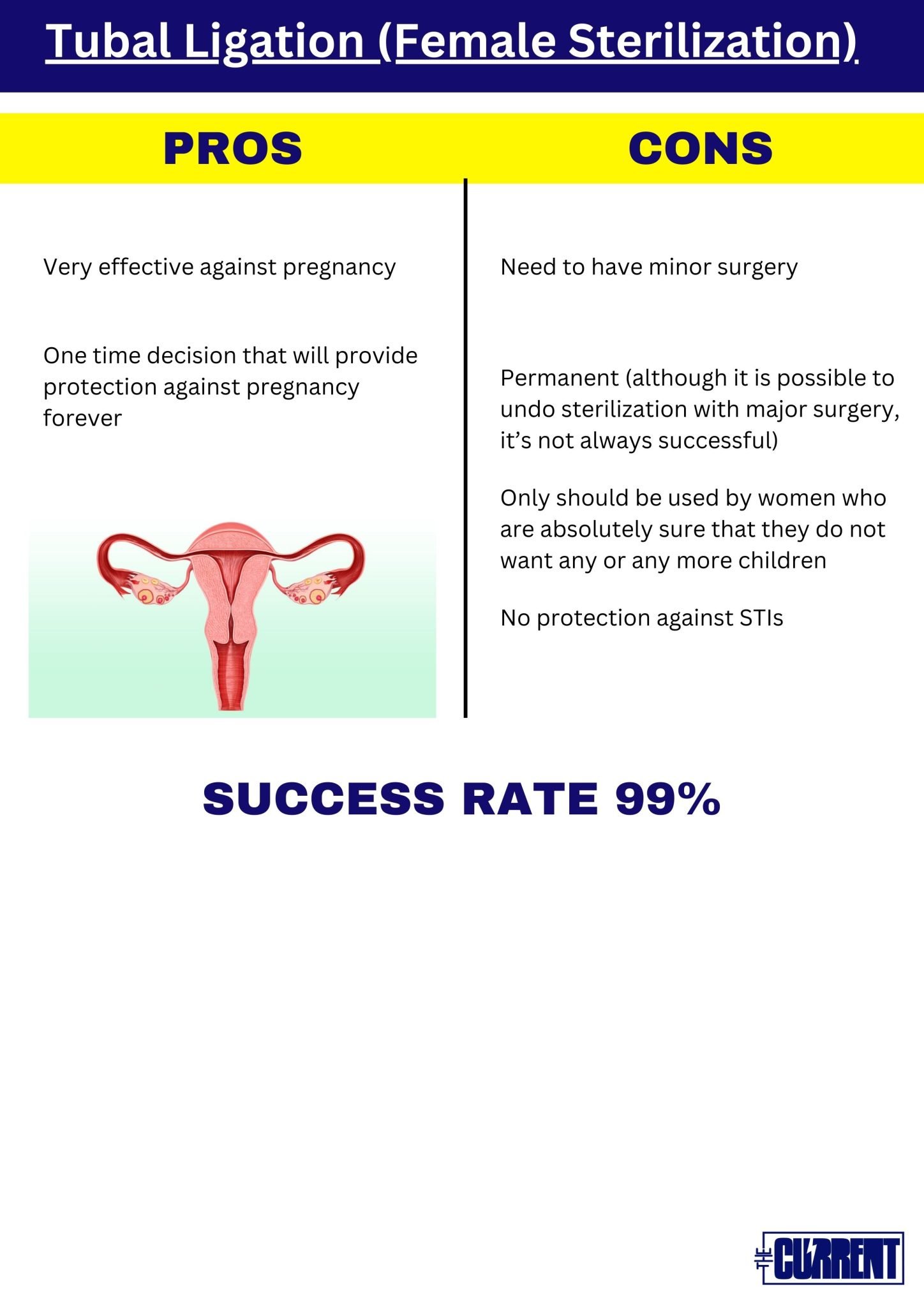
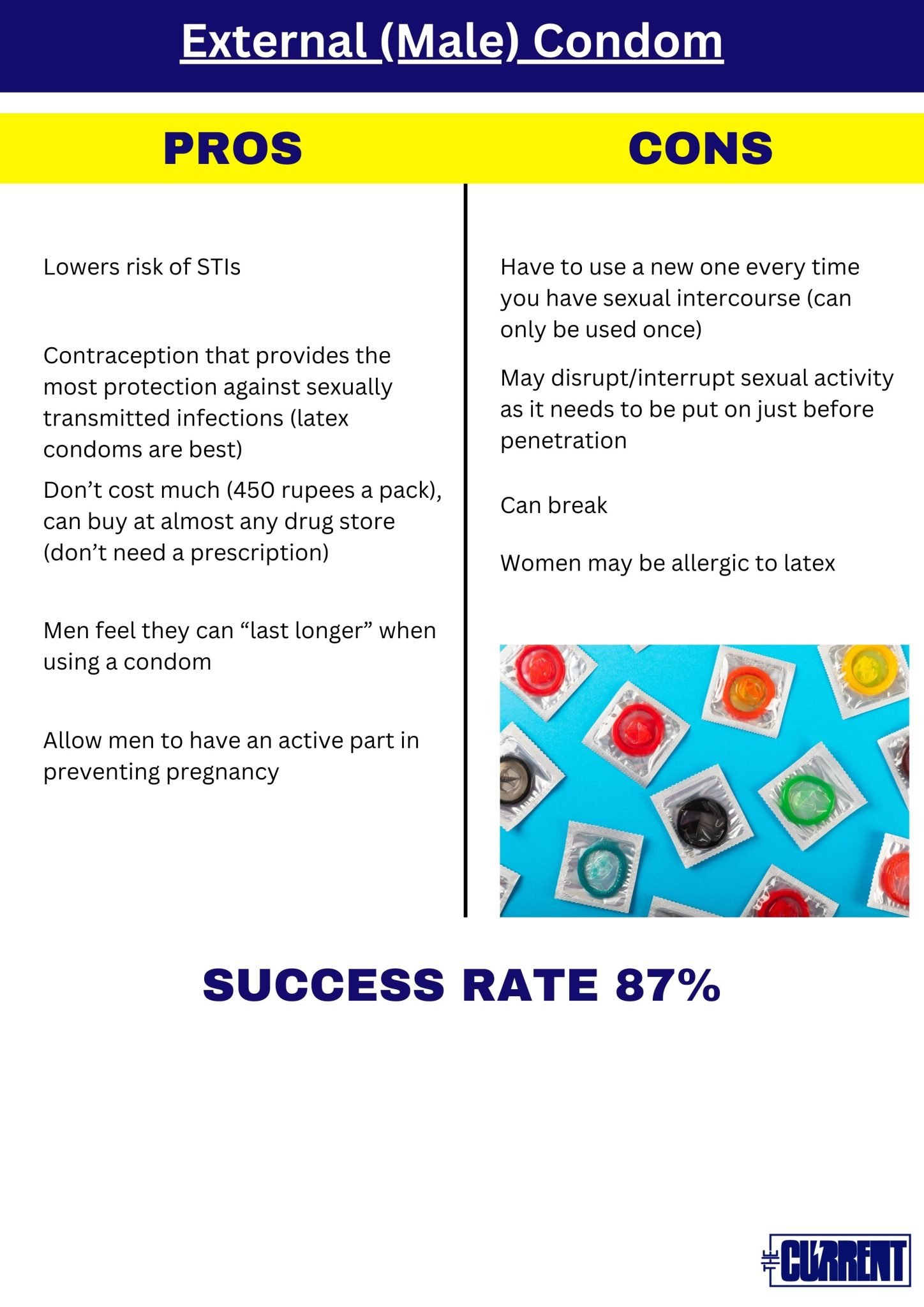
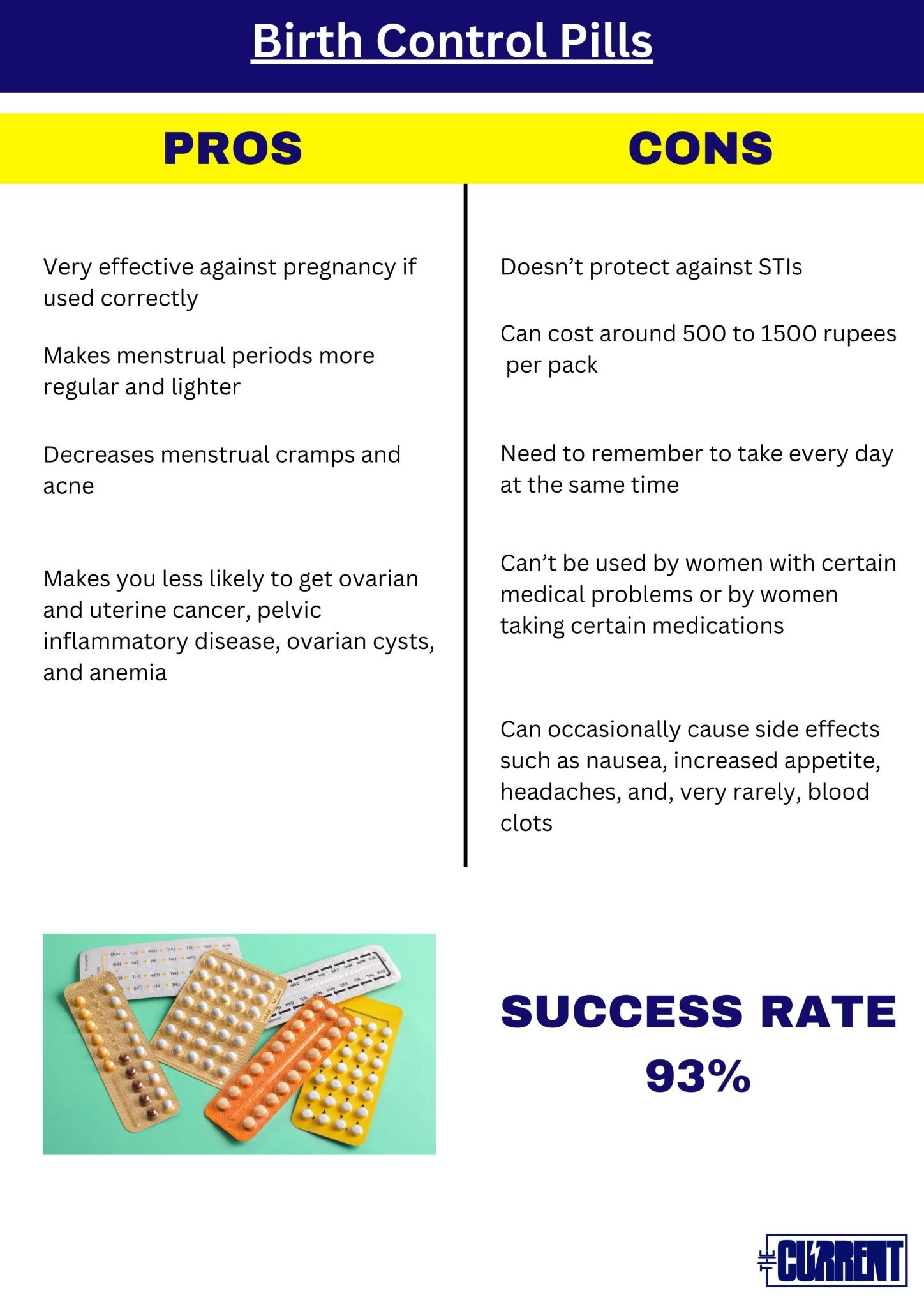
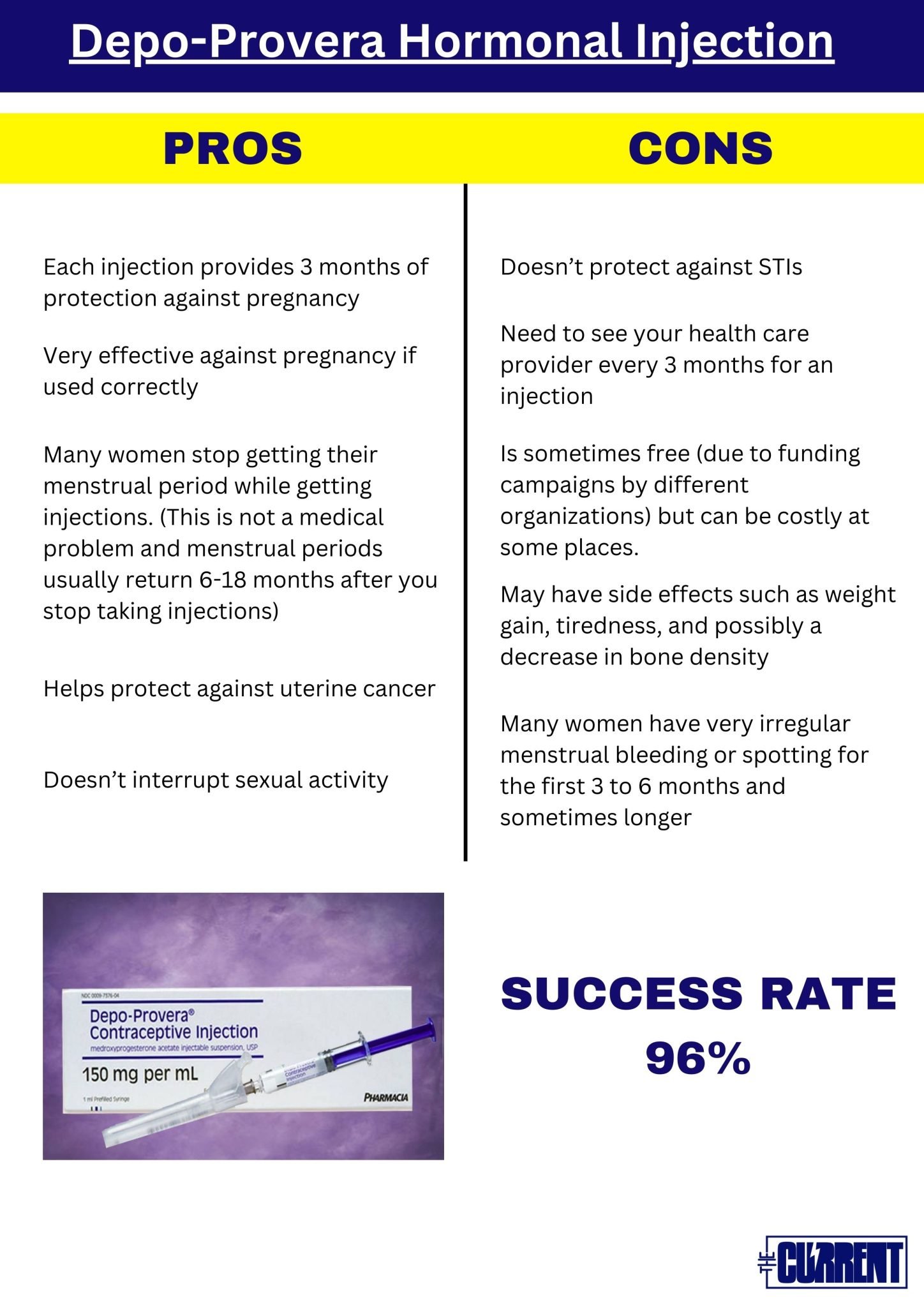
*Names have been changed to protect the privacy and confidentiality of the individual involved
'%3e%3crect%20y='0.445312'%20width='48'%20height='48'%20rx='24'%20fill='white'%20fill-opacity='0.5'/%3e%3crect%20x='0.5'%20y='0.945312'%20width='47'%20height='47'%20rx='23.5'%20stroke='%23808080'/%3e%3cpath%20d='M34.625%2024.4453L14%2024.4453'%20stroke='%23808080'%20stroke-width='0.920053'/%3e%3cpath%20d='M23.375%2034.4453L13.375%2024.4453L23.375%2014.4453'%20stroke='%23808080'%20stroke-width='0.920053'/%3e%3c/g%3e%3cdefs%3e%3cfilter%20id='filter0_b_489_44344'%20x='-12'%20y='-11.5547'%20width='72'%20height='72'%20filterUnits='userSpaceOnUse'%20color-interpolation-filters='sRGB'%3e%3cfeFlood%20flood-opacity='0'%20result='BackgroundImageFix'/%3e%3cfeGaussianBlur%20in='BackgroundImageFix'%20stdDeviation='6'/%3e%3cfeComposite%20in2='SourceAlpha'%20operator='in'%20result='effect1_backgroundBlur_489_44344'/%3e%3cfeBlend%20mode='normal'%20in='SourceGraphic'%20in2='effect1_backgroundBlur_489_44344'%20result='shape'/%3e%3c/filter%3e%3c/defs%3e%3c/svg%3e)
'%3e%3crect%20y='0.445312'%20width='48'%20height='48'%20rx='24'%20fill='white'%20fill-opacity='0.5'/%3e%3crect%20x='0.5'%20y='0.945312'%20width='47'%20height='47'%20rx='23.5'%20stroke='%23808080'/%3e%3cpath%20d='M13.375%2024.4453L34%2024.4453'%20stroke='%23808080'%20stroke-width='0.920053'/%3e%3cpath%20d='M24.625%2014.4453L34.625%2024.4453L24.625%2034.4453'%20stroke='%23808080'%20stroke-width='0.920053'/%3e%3c/g%3e%3cdefs%3e%3cfilter%20id='filter0_b_489_44344'%20x='-12'%20y='-11.5547'%20width='72'%20height='72'%20filterUnits='userSpaceOnUse'%20color-interpolation-filters='sRGB'%3e%3cfeFlood%20flood-opacity='0'%20result='BackgroundImageFix'/%3e%3cfeGaussianBlur%20in='BackgroundImageFix'%20stdDeviation='6'/%3e%3cfeComposite%20in2='SourceAlpha'%20operator='in'%20result='effect1_backgroundBlur_489_44344'/%3e%3cfeBlend%20mode='normal'%20in='SourceGraphic'%20in2='effect1_backgroundBlur_489_44344'%20result='shape'/%3e%3c/filter%3e%3c/defs%3e%3c/svg%3e)