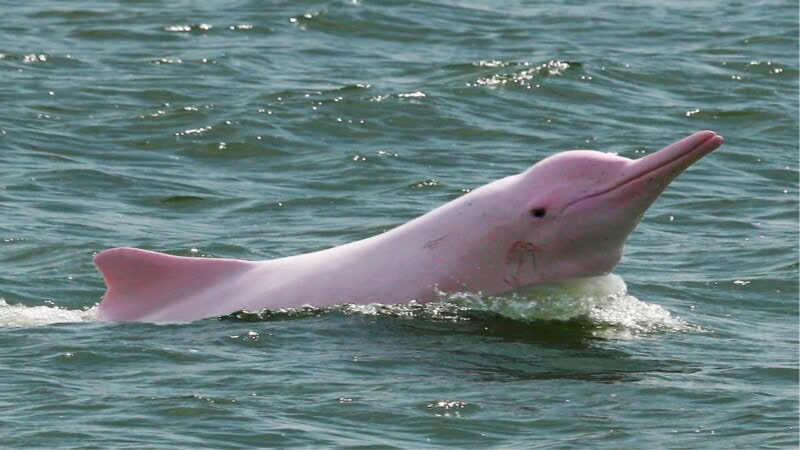
When most people think of dolphins, they imagine the playful gray ones jumping in the ocean. But deep in the Amazon River lives a rare and fascinating creature called the pink dolphin. Also known as the Amazon river dolphin or “boto,” this animal has captured the curiosity of scientists, travelers, and local communities for centuries.
Unlike ocean dolphins, this dolphin has adapted to life in rivers, flooded forests, and winding waterways. With its unusual color, flexible body, and mysterious behavior, this species is unlike any other in the world. In this article, we will explore five surprising things you may not know about the Amazon pink dolphin. These insights go beyond surface-level facts and help explain why it is one of nature’s most extraordinary animals.
1. The Pink Dolphin Does Change Color
The most striking feature of the this dolphin is, of course, its color. Many people are surprised to learn that not all of them are born pink. Young dolphins are usually gray. As they age, their skin often develops pink tones.
Scientists believe this color change happens for several reasons. One theory is that it comes from blood vessels near the surface of the skin. Another explanation is that scars from playful or competitive interactions can make the skin appear pinker. Some dolphins are a light blush while others are a bright bubblegum shade. This makes every pink dolphin unique in appearance.
2. The Pink Dolphin Has a Super Flexible Body
Unlike ocean dolphins, this dolphin has special adaptations for life in rivers. Its neck vertebrae are not fused, which means it can move its head left and right with ease. This ability is instrumental in the Amazon, where dolphins must navigate around trees, roots, and tight spaces during the rainy season when forests flood.
Its long beak is another advantage. The beak helps it catch fish hiding in muddy water or under vegetation. The pink dolphin’s teeth are also different. Instead of just sharp teeth for grabbing, it has a mix of sharp and flat ones, which allow it to crush prey like crabs, turtles, and shellfish.
3. Legends and Myths Surround the Dolphin
In South American folklore, this dolphin is more than just an animal. Local Amazon communities have passed down stories about it for generations. One of the most famous legends says that at night, this dolphin can transform into a handsome man. In this form, it attends festivals, dances with women, and then returns to the river by sunrise.
These myths may sound strange, but they highlight the cultural importance of the pink dolphin. In many places, the animal is respected and even feared. Some people believe it has magical powers or can bring both good luck and bad luck, depending on how it is treated.
4. The Pink Dolphin Is Smarter Than You Think
Dolphins are known for their intelligence, and this dolphin is no exception. Its brain is larger than that of a human. Researchers believe this gives it excellent problem-solving skills and social awareness.
The dolphin is also known for its playful nature. Fishermen often report seeing them toss sticks, play with river plants, or interact with turtles. They are also curious about humans and may swim near boats. Some even carry small gifts like branches or pieces of wood to present to potential mates.
5. The Dolphin Faces Real Threats
While the pink dolphin is fantastic, it is also endangered. The International Union for Conservation of Nature lists it as vulnerable. Its population is shrinking due to several human activities.
One major problem is pollution. Mercury from gold mining and chemicals from farming can poison the rivers. Another threat is accidental capture in fishing nets. In some areas, these dolphins are also hunted illegally for use as bait.
Climate change adds more pressure. Droughts and changes in rainfall affect water levels in the Amazon, making it harder for dolphins to find food and safe habitats. Protecting this species requires stronger conservation laws and greater awareness from people around the world.
Why the Dolphin Matters
This dolphin is more than just a colorful animal. It plays a vital role in the Amazon ecosystem by keeping fish populations balanced. It is also a symbol of the connection between people, culture, and nature.
For those of us in the United States or other parts of the world, the pink dolphin may feel like a distant creature. But by learning about it and supporting conservation efforts, we can help ensure that future generations will continue to marvel at this rare and beautiful species.
Final Thoughts
The Amazon pink dolphin is not unique in appearance but also in behavior, intelligence, and cultural significance. From its color-changing skin to its role in local legends, it stands apart from all other dolphins on Earth. Yet its survival is at risk, which makes it even more critical to understand and protect.
Next time you think of dolphins, remember that some are not gray, but pink, living deep in the Amazon. And behind that pink color lies a story of adaptation, mystery, and resilience.
If you love heartwarming stories, don’t miss how Atif Aslam helped a young fan in the cutest way.