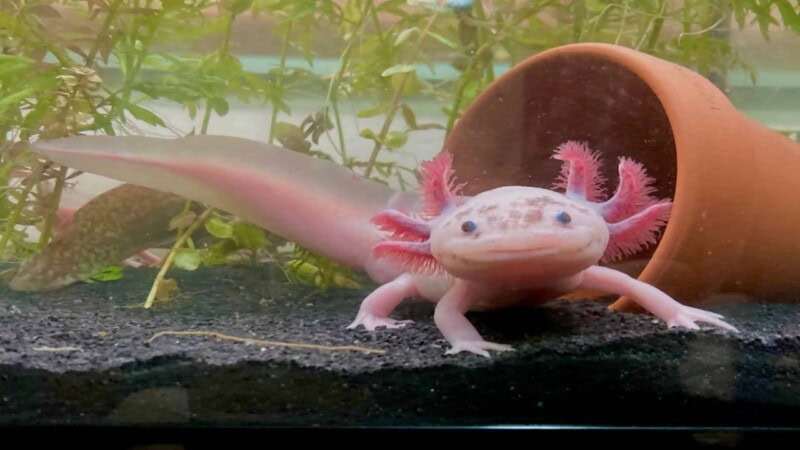
Planning to welcome an axolotl into your home? These charming little beings are often called the Mexican walking fish. They will redefine your idea of a “pet.” They charmingly wobble along the stream of your aquarium, flash feathery gills, and possess the superpower of regrowing practically any limb they lose. Meanwhile, they never even consider leaving the water. You won’t find a more watery roommate anywhere else.
This guide will walk you through every step of axolotl keeper “life,” from the moment you glimpse your first baby wiggle. Pound that beginner checklist: tank tricks, the picky water chemistry they demand, a menu they’ll eat, common health hiccups, and the legal red tape involved with making one yours.
Species Overview
-
Common Names: Axolotl, Mexican walking fish
-
Official Label: Ambystoma mexicanum
-
Adult Size: 6 to 18 inches (most hit the comfy nine to twelve)
-
Expected Age: 10 to 15 years, when happy and cared for
-
Mood: Zen, gentle, best appreciated through the glass. Avoid the dragon-wrangle of too much handling.
Wild axolotls are native to a handful of canals and lakes near Mexico City. Now, they rank as critically endangered thanks to muddy water and shrinking lakeside homes. The silver lining? Family lines of these wiggly wonders have been succeeding in American hatcheries for a while now. Therefore, the ones you meet at the aquarium store are born, raised, and tend to prefer staying hydrated outside the wild.
Behavior and Temperament
Axolotls have a calm, unbothered personality that makes them the perfect low-maintenance pet for a chilled home. They won’t bother a soul. Rising to the surface only to explore plants and wood before settling down under a shady leaf. Owners often find that if another person gets near the tank, the little salamander zips over to expect dinner and a quick show at the glass.
Even so, they don’t share their feelings the same way a dog would. A calm touch will only stress them and may leave their soft skin with chemical souvenirs from soap, lotion, or scents on your palms. If they must be lifted, slide a fine mesh net under them or ease them into a shallow cup of their usual tank water so they move on their own.
Tank Setup for an Axolotl Pet
Tank Size
Your axolotl needs elbow room. A 20-gallon aquarium is the absolute minimum for a single full-grown specimen; a larger size is preferable, especially if you want more than one. Cover the top with a tight-fitting lid; these critters can surprise you with an agile splat-out.
Tank Bottom (Substrate)
The floor of the tank matters more than you think:
-
Best: no substrate at all, or a single layer of oversize (think 1-inch+) smooth river stones you can’t ingest.
-
Avoid: fine gravel; axolotls munch it, and you’ll be racing a vet for stomach-block emergency.
Decorations and Hiding Places
In the wild, axolotls function under a canopy of rocks and roots. Replicate that. Hidey holes might include small aquarium-approved caves, cut and smoothed PVC, or silk-backed plastic foliage. Live greens are also welcome. Just vet that nothing is sharp to the touch.
Water Conditions You Must Maintain
Temperature:
Axolotls are hypochondriacs when it comes to heat.
- Ideal: 57°F to 68°F.
- Watch: 75°F and you might as well be a chimney.
Keep the tank out of the sun and the tankroom out of the heat. If a man axolotl is prone to munchies, a gentle clamping fan or a budget-friendly aquarium chiller becomes a “must.”
Filtration and Cleaning
Pristine water is axolotl gospel.
-
Opt for a soft sponge or mat filter that sips, not blasts, at the liquid. You absolutely can’t create a Flow-Rider.
-
Weekly, siphon out and replace 20% of the lake water.
-
Balance the pH between 6.5 and 7.5; too acidic or too alkaline is a one-way trip to vetville.
-
Whenever you fill the tank, let the tap water rest for a day to allow chlorine to evaporate, or use a dechlorinator to speed things up. That way, the fish aren’t startled by the chemical shower.
Quick recommendation: swing by the pet shop and grab a water test kit. Regular checks for ammonia, nitrites, and nitrates let you nip any unseen spikes before they stress your aquatic crew.
Feeding Your Axolotl Pet
Once you know the right options, feeding an axolotl is straightforward. They munch on worms, bugs, tiny fish, and similar morsels. In your living room, you can offer earthworms, bloodworms, brine shrimp, or the axolotl-specific pellets you find at pet shops. Many hobbyists swear by earthworms; they provide excellent nutrition and are generally well-received by most axolotls.
Young axolotls need quick growth, so offer them something to nibble on every day. Adults can maintain a healthy diet by running on two or three meals a week. Simply drop food right in front of the little one or use gentle feeding tongs for precise placement. They tend to scarf it right down.
Frequently Asked Questions
Are axolotls good pets for beginners?
Absolutely. Their care is straightforward, and they thrive for many years. They suit anyone who prefers observing animal antics to frequent handling.
Is it okay to hold one?
No, best to avoid it. Their delicate skin soaks up anything on your hands, so only use a soft, wet net if you must move one.
How many birthdays can I expect?
If you keep up with water, temperature, and diet, they’ll celebrate 10 to 15 years with you.
Do I need to build a land area in the tank?
Nope. Axolotls stay entirely in the water—consider the tank their permanent underwater home.
Read Also: How Many Types of Penguins: Complete Guide 2025