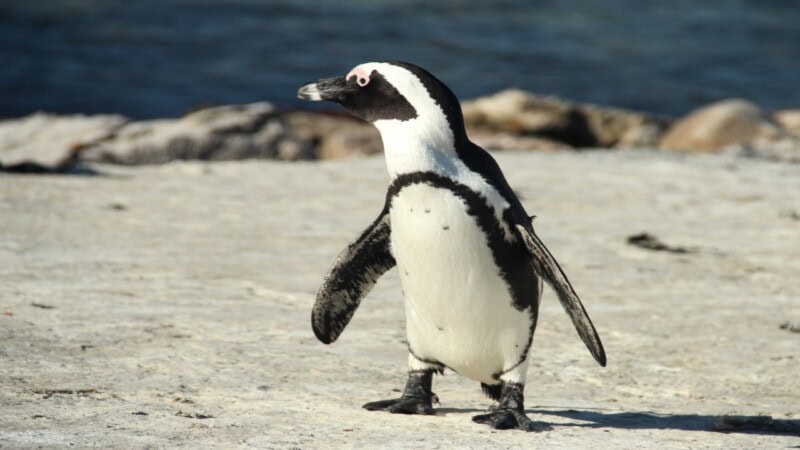
Penguins are one of the most loved birds in the world. Their funny waddle, swimming skills, and cute appearance make them fascinating. But do you know there are 18 types of penguins? Each type has its unique features, habitat, and behaviour. In this article, we will explore all the types of penguins, where they live, and what makes them special.
Introduction to Penguins
Penguins are flightless birds that live mainly in the Southern Hemisphere. Unlike most birds, they are excellent swimmers and spend a lot of time in the water. Penguins have adapted to cold climates, but some species live in warmer regions. Understanding the types of penguins helps us appreciate their diversity and how they survive in different environments.
Why Knowing the Types of Penguins Is Important
Learning about the types of penguins is not just interesting; it is also essential for conservation. Many penguin species face threats from climate change, overfishing, and habitat destruction. Knowing the species helps scientists protect them and educate people about their needs.
The 18 Types of Penguins
There are 18 recognized species of penguins. Each has unique colors, sizes, and habitats. Let us look at them one by one.
1. Emperor Penguin
The Emperor Penguin is the largest penguin species. It can grow up to 48 inches tall. These penguins live in Antarctica. They are famous for their long winter breeding trips and for keeping their eggs warm on their feet.
2. King Penguin
The King Penguin is slightly smaller than the Emperor. It has bright orange patches on its neck and head. King Penguins live on sub-Antarctic islands and are very social, often forming large colonies.
3. Royal Penguin
Royal Penguins resemble King Penguins but have a distinctive white face. They mainly live on Macquarie Island and have very striking yellow-orange crests.
4. Adelie Penguin
Adelie Penguins are small black and white birds with a cute appearance. They live along the Antarctic coast and are excellent swimmers. Adelies are very curious and often approach humans.
5. Macaroni Penguin
Macaroni Penguins are known for their bright yellow crests. They live on sub-Antarctic islands and form huge colonies with hundreds of thousands of penguins together.
6. Gentoo Penguin
Gentoo Penguins are easy to identify with their white stripe across the top of the head. They live in Antarctica and nearby islands. They are fast swimmers and love to slide on ice.
7. Galapagos Penguin
The Galapagos Penguin is the only penguin that lives near the equator. They are small and have adapted to warmer climates. They mostly stay near rocks and feed in the ocean.
8. Magellanic Penguin
Magellanic Penguins live in South America, mainly in Argentina and Chile. They have two black bands across their chest. These penguins are strong swimmers and often migrate long distances.
9. Humboldt Penguin
The Humboldt Penguin lives along the coasts of Peru and Chile. They are named after the cold Humboldt Current. They are medium-sized and mainly nest in burrows or caves.
10. African Penguin
African Penguins live in South Africa and Namibia. They are also called Jackass Penguins because of their braying sound. They are medium-sized with black spots on their chest.
11. Snares Penguin
The Snares Penguin is rare and lives on the Snares Islands near New Zealand. They have a slight yellow crest above their eyes and are primarily found in colonies on cliffs.
12. Fiordland Penguin
Fiordland Penguins live in New Zealand’s southwestern forests and fjords. They have greenish-yellow crests and prefer nesting in hidden forest areas.
13. Little Blue Penguin
The Little Blue Penguin is the smallest penguin species. They are only about 12 inches tall. They live in Australia and New Zealand. They are adorable and are also called Fairy Penguins.
14. Yellow-Eyed Penguin
Yellow-eyed penguins live in New Zealand and are one of the rarest species. They have striking yellow eyes and a long, pale yellow stripe along the back of their head.
15. Erect-Crested Penguin
The Erect-Crested Penguin has yellow crests that stand straight up. They live on the sub-Antarctic islands. Their crests make them look very unique among penguins.
16. Northern Rockhopper Penguin
Northern Rockhopper Penguins are small with spiky yellow crests above their eyes. They live on islands in the South Atlantic and Indian Oceans. They are great climbers and can jump over rocks easily.
17. Southern Rockhopper Penguin
Southern Rockhopper Penguins are similar to the northern type but slightly larger. They live on sub-Antarctic islands and are also known for their energetic hopping style.
18. Chinstrap Penguin
Chinstrap Penguins have a thin black line under their chin, giving them their name. They live on Antarctic islands and are very noisy and social.
Key Differences Between Penguin Species
The main differences between the types of penguins include size, color, crests, habitat, and behavior. Some are tiny, some are huge. Some have yellow or orange crests, while others are plain black and white. Some live in Antarctica, some in South America, and some near Africa or the Galapagos. Some swim fast, some hop on rocks, and some live in huge colonies. Knowing these differences helps bird watchers, researchers, and nature lovers understand penguin life better.
Fun Facts About Penguins
-
Penguins are excellent swimmers and can reach speeds of up to 15 miles per hour.
-
They use their flippers like wings underwater.
-
Emperor Penguins can survive extreme cold down to minus 40 degrees Fahrenheit.
-
Galapagos Penguins are the only penguins near the equator.
-
Penguins communicate through calls, brays, and body movements.
Conservation of Penguins
Many types of penguins are threatened because of human activity and climate change. Overfishing reduces their food supply. Rising temperatures affect ice habitats. Organizations around the world are working to protect penguin species. Supporting these efforts helps penguins survive for future generations.
Conclusion
There are 18 types of penguins, each unique and fascinating. From the tiny Little Blue Penguin to the majestic Emperor Penguin, their diversity is impressive. Understanding the types of penguins helps us appreciate their beauty, protect their habitats, and enjoy nature responsibly.
Whether you are a nature lover, a bird watcher, or just curious, learning about penguins is always fun. Penguins remind us of the importance of wildlife and the need to protect our planet.
Read the latest update on the FIR filed against a model and photographer for allegedly violating the sanctity of Wazir Khan Mosque.