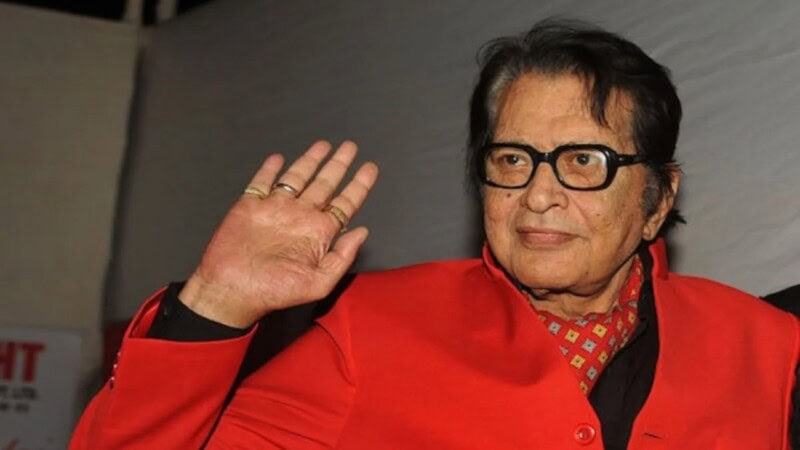
Manoj Kumar, a name synonymous with patriotic cinema in Bollywood, passed away at 87 on April 4, 2025, in Mumbai. His death marks the end of an era for Indian cinema, as he was one of the most influential actors and filmmakers of his time. Known for his unwavering patriotism, Kumar’s contribution to Bollywood is immeasurable. His films, which focused on themes of unity, national pride, and the sacrifices of India’s freedom fighters, left a deep impact on generations of viewers.
A Life of Patriotic Films:
Manoj Kumar was born on July 24, 1937, in the northern state of Punjab, India, under the name Harikrishan Goswami. He later changed his name to Manoj Kumar when he entered the film industry. His journey in Bollywood began in the late 1950s, when he made his debut with small roles in various films. However, it wasn’t long before he became a household name, primarily due to his portrayal of characters that exuded love for the nation.
Kumar’s rise to fame was not just due to his acting skills but also because of the kind of roles he took on. He became the face of patriotic films during a time when India was still dealing with the aftereffects of British colonial rule. His characters resonated deeply with audiences who were yearning for stories of national pride and unity.
A Career Defined by Patriotic Themes
Manoj Kumar’s most iconic films are those that celebrate the spirit of India and its rich history. Among the first of his films to establish him as the symbol of patriotism was Shaheed (1965), a film based on the life of Bhagat Singh, the famous freedom fighter. This movie earned him the admiration of millions and set the tone for his career as an actor who would portray characters that fought for justice and equality.
In 1967, Kumar starred in Upkar, which further cemented his place as Bollywood’s most beloved patriot. Upkar told the story of a man who returns to his village after serving in the military and struggles with the hardships of rural life. The film struck a chord with audiences, and it became a massive hit. In the same year, he also appeared in Roti Kapada Aur Makaan (1974), which delved into the struggles of the common man during tough economic times, blending patriotism with social commentary.
In the 1970s, Kumar starred in Purab Aur Pachhim (1970), a film that showed the stark contrast between the values of the East and the West. His character is caught between the two worlds, ultimately embracing his Indian heritage over foreign influences. These films helped Kumar carve a niche for himself as an actor who was passionate about Indian culture and nationalism.
Perhaps one of his most notable films was Kranti (1981), which depicted the Indian freedom struggle and showcased Kumar’s talent for bringing historical narratives to the big screen. Kranti was a star-studded affair, and Kumar played the role of a revolutionary leader who led his country’s fight for freedom against British rule.
The Man Behind the Camera: Director Manoj Kumar
Aside from his acting career, Manoj Kumar also ventured into directing films, many of which echoed the same themes of patriotism and national pride. His directorial debut was Rakhwala (1971), but it was his later films, such as Shor (1972) and Kranti (1981), that really showcased his versatility as a filmmaker. These films were not only commercial hits but also contributed to the landscape of Indian cinema, where patriotic narratives were central.
Kumar’s films had a unique style – they were larger-than-life, often dramatized with nationalistic music and dialogues that would stir emotions. These characteristics made his films stand out and ensured they had a lasting impact on the Indian film industry.
A Legacy That Will Never Fade
Manoj Kumar’s contribution to Indian cinema is immeasurable, and his legacy lives on in the hearts of millions of fans. Over the decades, his films have remained timeless classics, often quoted by fans and frequently turned into viral memes. His dialogues about nationalism, courage, and the spirit of India continue to inspire today’s youth. Many contemporary Bollywood actors, including Akshay Kumar and Ajay Devgn, have spoken about how Kumar’s films shaped their own careers and fueled their sense of national pride.
Akshay Kumar, in a tribute to the late actor, shared that he grew up watching Kumar’s films, which instilled in him a deep love and respect for the nation. Similarly, Ajay Devgn described Manoj Kumar as a pioneer in creating moments that have now become an essential part of India’s cinematic history.
National and International Recognition
Kumar’s work was not only loved by the masses but also recognized by the Indian government. He was honored with several prestigious awards throughout his career, including the Padma Shri, one of the highest civilian honors in India. His contributions to cinema were also acknowledged with the Dadasaheb Phalke Award, India’s highest honor in the field of cinema, which he received in 2015.
Despite his declining health in recent years, Manoj Kumar continued to receive accolades and admiration. His work left an indelible mark on the Bollywood industry, and his influence is still felt today. Kumar was also a prominent member of the Bharatiya Janata Party (BJP), aligning himself with the political party that shares his views on nationalism and unity.
The Final Goodbye: Tributes and Condolences
The news of Manoj Kumar’s death has sent shockwaves through the Bollywood community. Tributes from fans, celebrities, and politicians have flooded social media as people mourn the loss of the man who became synonymous with patriotism in Indian cinema.
Prime Minister Narendra Modi expressed his deep sadness at Kumar’s passing, calling him an “icon of Indian cinema.” Modi praised Kumar’s body of work, saying that it ignited a spirit of national pride in the hearts of countless individuals. Other political figures, including President Droupadi Murmu, also extended their condolences, highlighting the lasting impact Kumar had on the country’s cultural fabric.
Kumar’s son, Kunal Goswami, confirmed the news of his father’s passing, sharing that Manoj Kumar had been battling health issues for some time. However, he passed away peacefully, leaving behind a legacy that will continue to inspire future generations.
A Life Well Lived
Manoj Kumar’s passing marks the end of an era in Indian cinema, but his work will continue to inspire for years to come. He was not just an actor; he was a symbol of India’s rich history, a man who made it his life’s mission to spread a message of love for the country. His films not only entertained but also educated people about the importance of unity, sacrifice, and patriotism.
Manoj Kumar leaves behind a rich legacy, and his memory will live on through the many iconic films he created. For millions of fans, he will always be “Bharat Kumar,” the man who taught them to love their country and take pride in its history and culture.
Read More: Josh Heuston Responds to Rumors of Playing Xaden in Fourth Wing TV Adaptation