
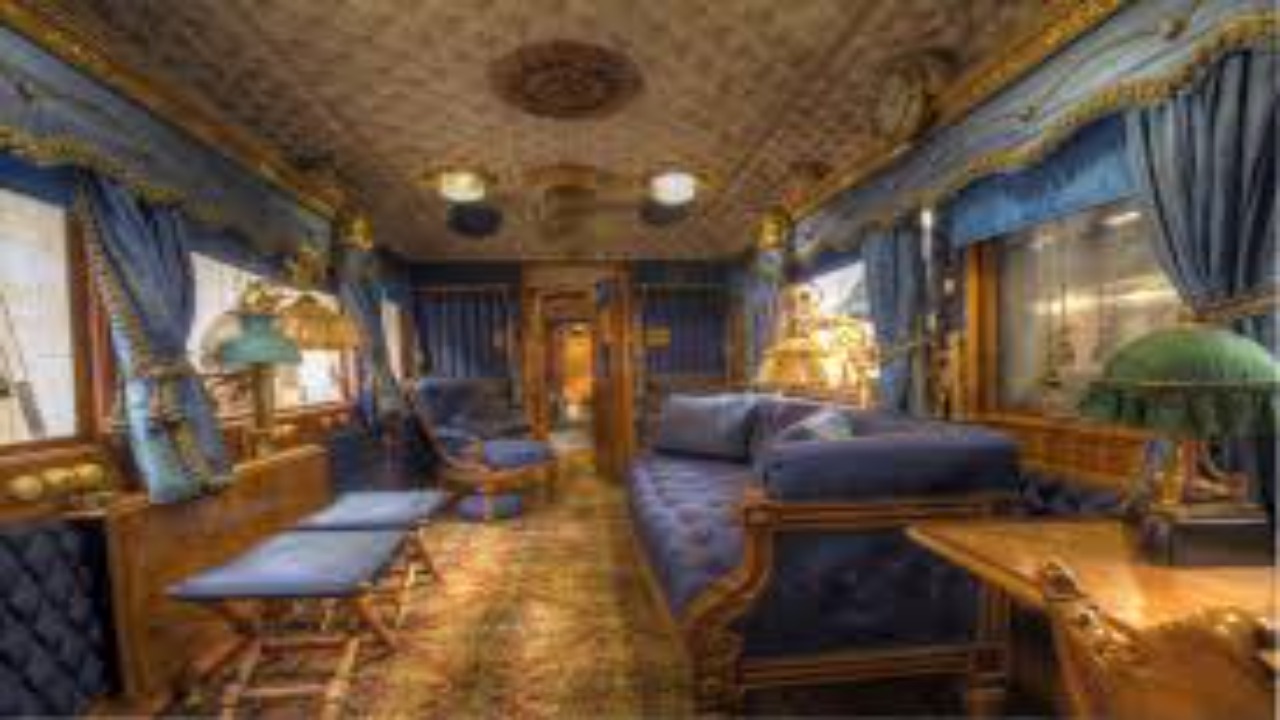


British Royal Train: A Farewell to a Rolling Symbol of Royal Tradition
The British Royal Train has long been one of the most iconic, secretive, and fascinating symbols of the British monarchy. More than just a mode of transportation, it was a reflection of the monarchy’s history, dignity, and enduring tradition. Since its first journey in 1840 with Queen Victoria, the train has played a quiet yet powerful role in connecting the royal family to the people of the United Kingdom.
Now, in 2025, the British Train is on its final track. King Charles III has decided to retire the train as part of his broader efforts to modernize the monarchy and bring it in line with contemporary expectations. This decision marks the end of an era, but it also paves the way for a more sustainable and cost-effective future for the royal household.
Let’s take a closer look at the rich history, usage, and upcoming retirement of the British Royal Train and what this change means for the future of the monarchy.
What Is the British Royal Train?
The British Royal Train is a private train reserved for senior members of the British royal family. It has been used for official engagements, royal tours, and state visits across Britain. Unlike public trains, the Train is designed to offer complete privacy, enhanced security, and a dignified mode of travel for the monarch and their entourage.
It is not owned by the British government or a private railway company but rather maintained and operated by DB Cargo UK. This rail freight company handles its technical operations. On the outside, it may be a standard train. But inside, it offers a quiet, functional elegance that reflects the lifestyle of royalty, modest but regal.
A Royal Tradition That Dates Back to 1840
The journey of the Royal Train began with Queen Victoria. In 1840, she became the first British monarch to travel by train, riding from Slough to London. Initially hesitant about this new form of transportation, Queen Victoria soon came to embrace it and even had her custom-built rail carriage. From that moment on, the royal family became deeply connected with Britain’s growing railway system.
Over time, the Train evolved. By the early 20th century, it had become an essential part of royal life. It provided the family with a way to move across the country discreetly and efficiently while staying connected to their subjects. During both wartime and peacetime, it carried monarchs, consorts, and heirs through the shifting landscapes of British history.
The current Royal Train, with its carriages built primarily in the 1980s, has been used by Queen Elizabeth II, Prince Philip, Prince Charles (now King Charles), and other royals for decades. Though it doesn’t boast flashy interiors, its practical layout includes a royal bedroom, a fully equipped bathroom, a private study, a dining area, and compartments for staff and security.
The Royal Train in Modern Times
Even in the 21st century, the Royal Train has continued to serve a purpose. Queen Elizabeth II was especially fond of using it, often preferring its quiet efficiency over other forms of travel. For long-distance domestic journeys, it remained a preferred option due to its privacy and punctuality. Notably, the train was also used during the nationwide Platinum Jubilee celebrations and for official state tours within the UK.
However, the costs of maintaining the train have increasingly drawn public attention. Unlike regular transportation, the Train is used infrequently, but its upkeep remains expensive. In the 2024–25 royal accounts, travel costs alone were £4.7 million, with some individual trips costing over £17,000 each. While many Brits view the train as a cherished national symbol, others have questioned whether it remains financially viable in today’s climate.
Why Is the Royal Train Being Retired?
King Charles III, known for his environmental awareness and practical leadership, has decided to retire the Royal Train. The move aligns with his broader mission to modernize the royal household and reduce unnecessary expenditures. As public scrutiny of royal spending grows, Charles aims to demonstrate that the monarchy is responsive and responsible in its use of taxpayer funds.
According to James Chalmers, the Keeper of the Privy Purse, the decision to say goodbye to the Train was not taken lightly. He described the train as a beloved piece of national history, but emphasized the need to move forward. Chalmers noted that just as other parts of the royal household have evolved, the time had come to modernize travel arrangements as well.
There are also practical reasons behind the retirement. The train’s rolling stock, last updated in the 1980s, would require major modernization to meet today’s railway standards. Moreover, the royal family now uses more fuel-efficient helicopters for domestic travel, which are often faster and less expensive to operate.
What Will Happen to the Train Now?
Although the Train will no longer operate, its legacy will endure. The royal household is currently searching for a permanent home for the train’s historic components. Parts of the train will likely be preserved in museums or heritage railway exhibits, allowing the public to appreciate this unique aspect of royal history.
Some of the train’s carriages are considered historically significant and could become major attractions. They offer a rare glimpse into the working life of the royal family behind closed doors.
A Symbolic Step Toward a Modern Monarchy
The retirement of the British Royal Train is just one part of a broader transformation under King Charles. His reign has already seen various efforts to cut costs, improve transparency, and enhance environmental responsibility.
The sovereign grant, which funds the royal family’s official duties, remains fixed at £86.3 million annually. However, it will increase to £132 million from 2025 to 2027, partly due to record profits from offshore wind farms owned by the Crown Estate. A significant portion of this money will be allocated toward completing the £369 million refurbishment of Buckingham Palace.
Meanwhile, efforts are underway to make royal transportation more sustainable. One of the royal Bentleys now runs on biofuels, and the switch to electric vehicles is being considered. These changes signal a clear shift: the monarchy is becoming more environmentally conscious and financially disciplined.
Prince William and the Duchy of Cornwall’s Reforms
As King Charles leads the way, his son Prince William is also embracing change. The Duchy of Cornwall, which provides Prince William with a private income of nearly £23 million annually, has begun waiving or reducing rents for charities and grassroots organizations. These actions follow media investigations that raised concerns about high-value rental agreements with government bodies, including the NHS and the military.
Prince William’s team has acknowledged past scrutiny and pledged to operate the duchy with a more modern and socially conscious mindset. By focusing on communities, education, and environmental causes, he hopes to build trust and prove that the royals are adapting to modern values.
The End of the Line, but Not the End of the Story
As the British Train prepares for retirement, it leaves behind more than just tracks—it leaves behind memories, traditions, and a powerful story of continuity. For generations, it served as a symbol of quiet authority and seamless travel, linking the monarchy to the people in a uniquely British way.
Its retirement marks the closing of a historic chapter. But this isn’t about erasing the past. As King Charles said through his financial adviser, “We change not because we disrespect our past but precisely because we do respect it.”
In an era when public institutions are under increasing pressure to be transparent and efficient, the British monarchy is responding. The farewell to the Royal Train is a powerful gesture. It is a nod to tradition, but also a step into the future.
Even tech moguls are rethinking tradition—Elon Musk recently called hashtags an 'esthetic nightmare' and removed them from ads.
'%3e%3crect%20y='0.445312'%20width='48'%20height='48'%20rx='24'%20fill='white'%20fill-opacity='0.5'/%3e%3crect%20x='0.5'%20y='0.945312'%20width='47'%20height='47'%20rx='23.5'%20stroke='%23808080'/%3e%3cpath%20d='M34.625%2024.4453L14%2024.4453'%20stroke='%23808080'%20stroke-width='0.920053'/%3e%3cpath%20d='M23.375%2034.4453L13.375%2024.4453L23.375%2014.4453'%20stroke='%23808080'%20stroke-width='0.920053'/%3e%3c/g%3e%3cdefs%3e%3cfilter%20id='filter0_b_489_44344'%20x='-12'%20y='-11.5547'%20width='72'%20height='72'%20filterUnits='userSpaceOnUse'%20color-interpolation-filters='sRGB'%3e%3cfeFlood%20flood-opacity='0'%20result='BackgroundImageFix'/%3e%3cfeGaussianBlur%20in='BackgroundImageFix'%20stdDeviation='6'/%3e%3cfeComposite%20in2='SourceAlpha'%20operator='in'%20result='effect1_backgroundBlur_489_44344'/%3e%3cfeBlend%20mode='normal'%20in='SourceGraphic'%20in2='effect1_backgroundBlur_489_44344'%20result='shape'/%3e%3c/filter%3e%3c/defs%3e%3c/svg%3e)
'%3e%3crect%20y='0.445312'%20width='48'%20height='48'%20rx='24'%20fill='white'%20fill-opacity='0.5'/%3e%3crect%20x='0.5'%20y='0.945312'%20width='47'%20height='47'%20rx='23.5'%20stroke='%23808080'/%3e%3cpath%20d='M13.375%2024.4453L34%2024.4453'%20stroke='%23808080'%20stroke-width='0.920053'/%3e%3cpath%20d='M24.625%2014.4453L34.625%2024.4453L24.625%2034.4453'%20stroke='%23808080'%20stroke-width='0.920053'/%3e%3c/g%3e%3cdefs%3e%3cfilter%20id='filter0_b_489_44344'%20x='-12'%20y='-11.5547'%20width='72'%20height='72'%20filterUnits='userSpaceOnUse'%20color-interpolation-filters='sRGB'%3e%3cfeFlood%20flood-opacity='0'%20result='BackgroundImageFix'/%3e%3cfeGaussianBlur%20in='BackgroundImageFix'%20stdDeviation='6'/%3e%3cfeComposite%20in2='SourceAlpha'%20operator='in'%20result='effect1_backgroundBlur_489_44344'/%3e%3cfeBlend%20mode='normal'%20in='SourceGraphic'%20in2='effect1_backgroundBlur_489_44344'%20result='shape'/%3e%3c/filter%3e%3c/defs%3e%3c/svg%3e)