


California Population: A 2025 Insight into Growth, Shifts, and Trends
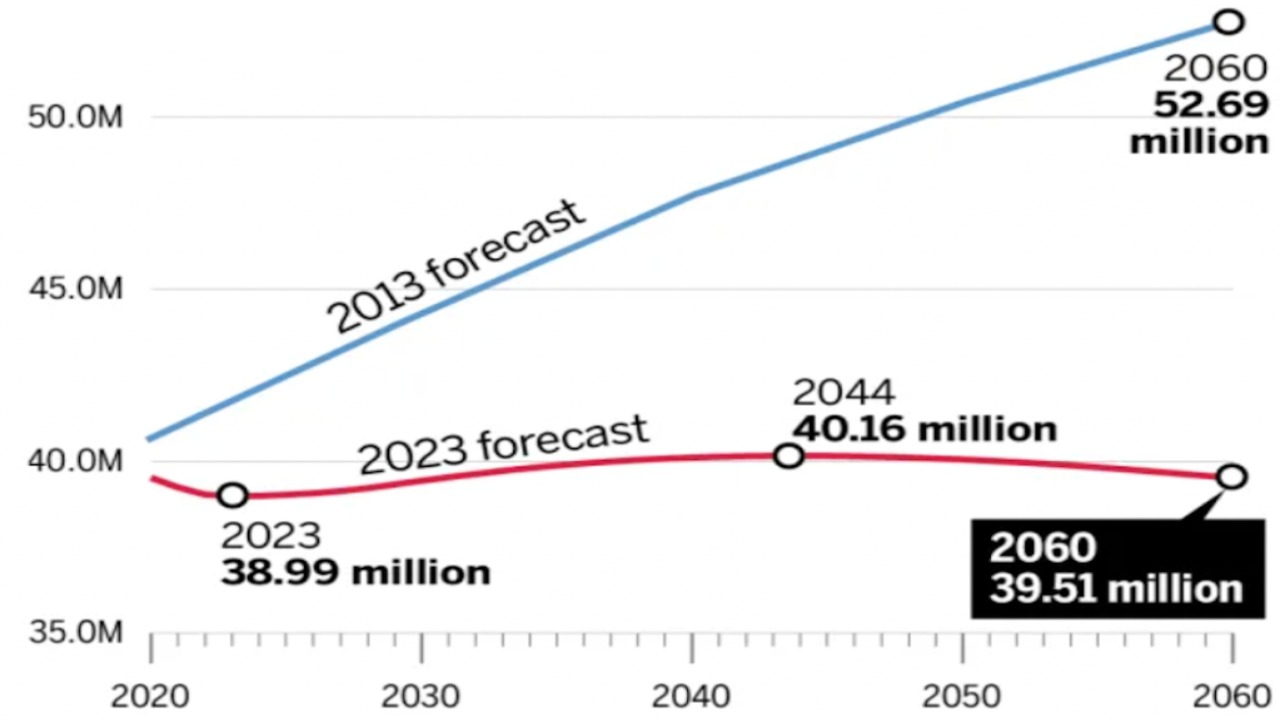
As of January 1, 2025, the California population is 39,529,000. This marks an increase of 108,000 people compared to 2024. After years of decline and stagnation, the state is finally seeing signs of slow but steady growth. But what does this growth mean for everyday life in California? Let’s take a deep look into what’s happening with the state’s population and why it matters.
Why Is California’s Population Important?
California is the most populous state in the U.S. Its population size affects everything, from political power and government funding to housing prices and job markets. A growing population means a higher demand for resources. A shrinking one, on the other hand, can lead to economic slowdowns.
Understanding the California population helps us make sense of current trends and prepare for the future.
How Has California's Population Changed Over Time?
California was once known for its rapid growth. In the 1950s and 60s, millions of people moved to the state, drawn by its booming economy, sunshine, and job opportunities. However, the growth started to slow down in the 2000s.
From 2020 to 2022, the state actually lost population for the first time in decades. High housing costs, wildfires, and the COVID-19 pandemic pushed many residents to leave for other states like Texas, Arizona, and Florida.
But now, in 2025, we’re finally seeing a population rebound. The increase of 108,000 people may seem small, but it’s a sign that the tide could be turning.
What's Driving the Recent Growth?
Let’s break down why the California population has started to rise again.
1. International Immigration
One of the biggest reasons for the recent population boost is a rise in immigration. People from other countries continue to move to California in large numbers. Los Angeles, San Francisco, and San Diego remain major destinations for newcomers seeking jobs, education, and family reunification.
2. Natural Growth
Natural growth means more births than deaths. In 2024, California saw more babies born than people dying, which added to the population. While the birth rate is lower than in past decades, it still contributes to overall growth.
3. Slow Out-Migration
Although some Californians are still moving to other states, the number has slightly decreased compared to previous years. Some residents who left during the pandemic have started to return, and others are choosing to stay due to improving job markets and weather-related concerns in other states.
Where Is the Population Growing the Fastest?
Population growth isn’t the same across California. Some areas are growing much faster than others.
Inland Areas:
Cities like Riverside, Fresno, and Bakersfield are seeing higher growth rates. These cities offer more affordable housing compared to coastal areas and attract young families.
Central Valley:
This region continues to grow due to its agricultural jobs and lower cost of living.
Coastal Cities:
Places like San Francisco and Los Angeles are growing more slowly. High housing costs and traffic problems make these areas less attractive for new families.
California Population by Race and Ethnicity
California remains one of the most diverse states in the U.S. Here’s a look at the racial and ethnic breakdown of the California population:
-
Latino or Hispanic: 39%
-
White (non-Hispanic): 34%
-
Asian: 15%
-
Black or African American: 5.5%
-
Multiracial/Other: 6.5%
This rich mix of cultures plays a significant role in shaping California’s economy, education system, and political landscape.
Key Issues Tied to Population Changes
With over 39 million people, California faces many challenges. Let’s explore how population shifts affect the state.
Housing Crisis
More people mean more demand for homes. California continues to face a significant housing shortage, which drives up rent and home prices. Unless more affordable housing is built, this could force people to move out of the state again.
Traffic and Transportation
California’s roads and freeways are already packed. More people can make traffic worse unless cities invest in public transportation and more thoughtful planning.
Environmental Pressure
From water usage to energy demand, the environment feels the strain of a large population. Droughts, wildfires, and pollution are ongoing concerns.
Education and Healthcare
A growing population means more children in schools and more people needing healthcare. California must expand its services to keep up with demand.
Future Outlook: What’s Next for California’s Population?
Experts say California could reach 40 million people within the next few years if the current trends continue. But future growth depends on several factors:
-
Housing development: Can the state build enough affordable homes?
-
Job market stability: Will people continue to find good work in California?
-
Climate issues: Will fires, floods, and droughts push people out again?
If the state addresses these challenges, it can not only stop people from leaving but also attract new residents as well.
Our Insights and Analysis
Here’s what makes the California population topic unique today:
- Post-pandemic recovery: The small growth is not just a number. It’s a signal of economic and social recovery after tough years.
- Regional shifts: Inland and suburban growth shows how California’s identity is changing. It’s no longer just about San Francisco or Los Angeles.
- Opportunity for reform: With growth returning, California has a chance to fix long-standing problems like housing and infrastructure before the next boom.
Final Thoughts
The California population in 2025 is 39.5 million and growing. While growth is modest, it’s a positive sign after years of decline. California’s diversity, economy, and natural beauty still attract millions. But for long-term success, the state must tackle housing, environment, and affordability.
Population numbers aren’t just statistics. They shape the real-life experience of living in California. Whether you're a resident or considering moving there, understanding these trends helps you make more intelligent choices for your future.
Also read: Trump declares Iran nuclear victory, Intel says otherwise — a deep dive into rising global tensions.
'%3e%3crect%20y='0.445312'%20width='48'%20height='48'%20rx='24'%20fill='white'%20fill-opacity='0.5'/%3e%3crect%20x='0.5'%20y='0.945312'%20width='47'%20height='47'%20rx='23.5'%20stroke='%23808080'/%3e%3cpath%20d='M34.625%2024.4453L14%2024.4453'%20stroke='%23808080'%20stroke-width='0.920053'/%3e%3cpath%20d='M23.375%2034.4453L13.375%2024.4453L23.375%2014.4453'%20stroke='%23808080'%20stroke-width='0.920053'/%3e%3c/g%3e%3cdefs%3e%3cfilter%20id='filter0_b_489_44344'%20x='-12'%20y='-11.5547'%20width='72'%20height='72'%20filterUnits='userSpaceOnUse'%20color-interpolation-filters='sRGB'%3e%3cfeFlood%20flood-opacity='0'%20result='BackgroundImageFix'/%3e%3cfeGaussianBlur%20in='BackgroundImageFix'%20stdDeviation='6'/%3e%3cfeComposite%20in2='SourceAlpha'%20operator='in'%20result='effect1_backgroundBlur_489_44344'/%3e%3cfeBlend%20mode='normal'%20in='SourceGraphic'%20in2='effect1_backgroundBlur_489_44344'%20result='shape'/%3e%3c/filter%3e%3c/defs%3e%3c/svg%3e)
'%3e%3crect%20y='0.445312'%20width='48'%20height='48'%20rx='24'%20fill='white'%20fill-opacity='0.5'/%3e%3crect%20x='0.5'%20y='0.945312'%20width='47'%20height='47'%20rx='23.5'%20stroke='%23808080'/%3e%3cpath%20d='M13.375%2024.4453L34%2024.4453'%20stroke='%23808080'%20stroke-width='0.920053'/%3e%3cpath%20d='M24.625%2014.4453L34.625%2024.4453L24.625%2034.4453'%20stroke='%23808080'%20stroke-width='0.920053'/%3e%3c/g%3e%3cdefs%3e%3cfilter%20id='filter0_b_489_44344'%20x='-12'%20y='-11.5547'%20width='72'%20height='72'%20filterUnits='userSpaceOnUse'%20color-interpolation-filters='sRGB'%3e%3cfeFlood%20flood-opacity='0'%20result='BackgroundImageFix'/%3e%3cfeGaussianBlur%20in='BackgroundImageFix'%20stdDeviation='6'/%3e%3cfeComposite%20in2='SourceAlpha'%20operator='in'%20result='effect1_backgroundBlur_489_44344'/%3e%3cfeBlend%20mode='normal'%20in='SourceGraphic'%20in2='effect1_backgroundBlur_489_44344'%20result='shape'/%3e%3c/filter%3e%3c/defs%3e%3c/svg%3e)