
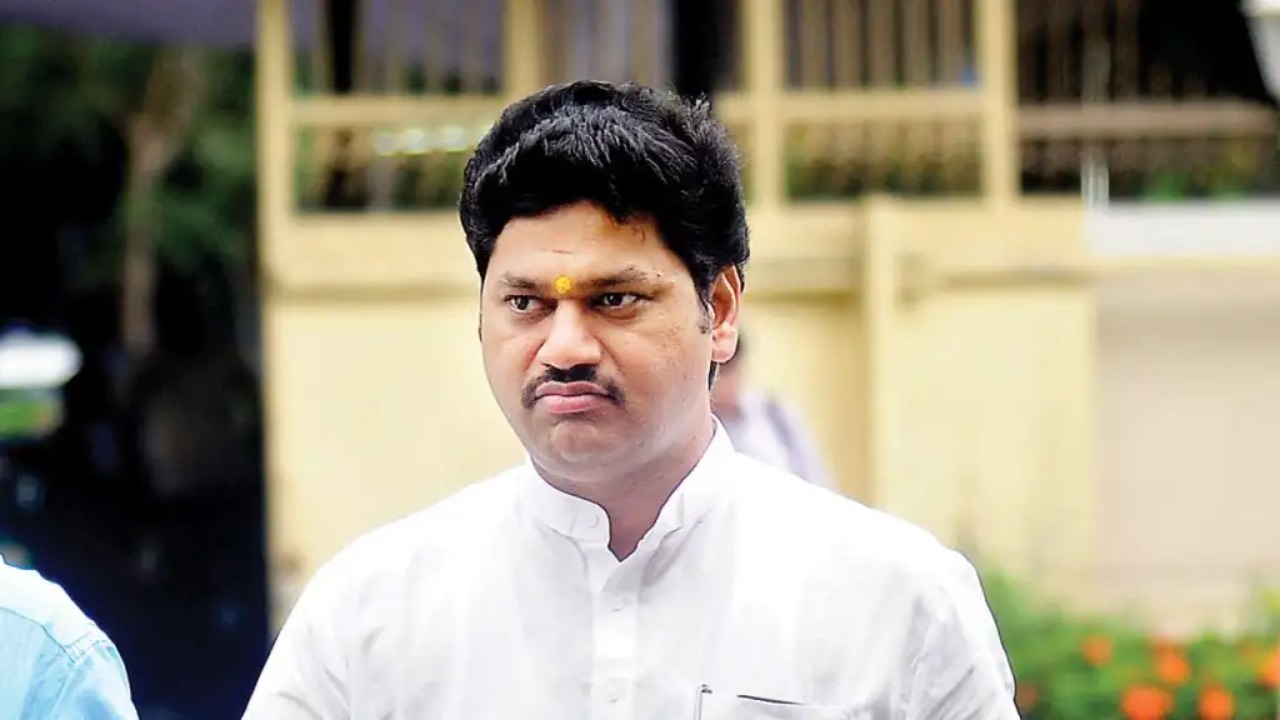


Dhananjay Munde Resigns as Minister Amid Political Turmoil
Maharashtra politics took a dramatic turn as Dhananjay Munde, a prominent leader of the Nationalist Congress Party (NCP), resigned from his ministerial post. His resignation has stirred conversations across political circles, with its implications rippling beyond the immediate controversy. Citing health and moral reasons, Munde stepped down amidst mounting allegations linking him to a shocking crime in Beed district.
This high-profile resignation has raised questions about leadership, responsibility, and political fallout. Here's a complete breakdown of the events leading to this decision and what lies ahead.
The Controversy That Shook Maharashtra
The resignation didn’t occur in isolation. Dhananjay Munde found himself at the center of a storm after the brutal murder of Santosh Deshmukh, the sarpanch of Massajog village in Beed. Investigators revealed gruesome details about Deshmukh’s death, describing it as an act of extreme cruelty.
Deshmukh, a respected village head, had reportedly attempted to resist extortion attempts targeting a renewable energy company operating in the region. His actions allegedly provoked powerful interests, culminating in the tragic crime. Several videos and images emerged online, exposing the horrifying details of his murder. The graphic content showed the brutality involved, including physical assault and public humiliation.
Dhananjay Munde’s Connection to the Case
The controversy became more intense when Walmik Karad, a close associate and campaign manager of Dhananjay Munde, was arrested for his alleged involvement in Deshmukh's murder. Karad's ties to the minister brought Munde under immediate and immense pressure. Critics and opposition leaders accused Munde of harboring ties to those involved in criminal activities.
The situation escalated when activists like Anjali Damania publicly questioned Munde's association with Karad. Even within his political sphere, murmurs emerged about the minister’s position becoming untenable. BJP lawmaker Suresh Dhas openly criticized Munde, calling for his resignation and accusing him of allowing a "reign of terror" in Beed.
The Turning Point
Late on Monday, the situation took a decisive turn. Fifteen videos and eight photographs from the crime scene started circulating on social media. Public outrage grew as viewers witnessed the extent of Santosh Deshmukh’s suffering. The footage brought the case into sharp focus and left the government grappling with calls for accountability.
Chief Minister Devendra Fadnavis convened a late-night meeting to discuss the implications. Present at the meeting were Deputy Chief Minister Ajit Pawar, senior NCP figures Praful Patel and Sunil Tatkare, and Munde himself. The combined pressure from the Bharatiya Janata Party (BJP) leadership and NCP's senior members pushed Munde to step down. Fadnavis, along with NCP president Ajit Pawar, conveyed to Munde the seriousness of the public outcry and insisted that he resign.
Dhananjay Munde’s Statement
On Tuesday, Dhananjay Munde submitted his resignation, citing health concerns and emotional distress. He addressed the public through a post on social media platform X (formerly Twitter), expressing sadness over the brutality of the crime. Munde wrote, "The visuals of Santosh Deshmukh's murder deeply saddened me. I have always supported the strictest punishment for the guilty. Due to my health concerns, I have decided to step down and focus on treatment."
However, many viewed this explanation skeptically. Opposition leaders and activists criticized Munde for downplaying the moral and ethical dimensions of the issue. While he highlighted his health, questions about his association with Karad remained unanswered.
Reactions from Political Circles
Key figures in Maharashtra's political landscape wasted no time reacting to Munde’s resignation. Ajit Pawar described his decision as one taken "on moral grounds." Pawar also focused on the need for a thorough investigation, insisting that justice should remain untainted by political influence.
On the other hand, Supriya Sule, national working president of the NCP’s rival faction, criticized Munde for a lack of remorse. "His statement does not reflect an understanding of the moral weight attached to his resignation. It’s regrettable," Sule remarked during a media interaction.
Pankaja Munde, Dhananjay's cousin and BJP leader, echoed similar concerns. She expressed dissatisfaction with the timing of the resignation, suggesting that it should have happened earlier. "The delay damaged public trust further. His resignation was inevitable but came too late," she stated.
Broader Political Implications
For the NCP and the ruling alliance, Dhananjay Munde's departure leaves a void to fill. Munde has long been a key figure in Maharashtra politics, particularly representing the Other Backward Class (OBC) communities. His resignation within just three months of the Devendra Fadnavis-led government has created ripples across the state’s political landscape.
Munde was a trusted ally of Ajit Pawar and served as a bridge between factions within the NCP. His resignation may also pave the way for other leaders within the party, such as Chhagan Bhujbal, to reclaim prominence. However, this comes at a cost, as the optics surrounding the resignation have already dented the NCP's image.
Public Sentiment
The resignation has left many in Maharashtra grappling with mixed feelings. On one hand, Munde stepping down is seen as a victory for justice and accountability. On the other hand, questions remain about systemic issues that allowed such incidents to occur in the first place. Activists and citizens alike continue to demand transparent governance and meaningful reforms to prevent similar controversies.
'%3e%3crect%20y='0.445312'%20width='48'%20height='48'%20rx='24'%20fill='white'%20fill-opacity='0.5'/%3e%3crect%20x='0.5'%20y='0.945312'%20width='47'%20height='47'%20rx='23.5'%20stroke='%23808080'/%3e%3cpath%20d='M34.625%2024.4453L14%2024.4453'%20stroke='%23808080'%20stroke-width='0.920053'/%3e%3cpath%20d='M23.375%2034.4453L13.375%2024.4453L23.375%2014.4453'%20stroke='%23808080'%20stroke-width='0.920053'/%3e%3c/g%3e%3cdefs%3e%3cfilter%20id='filter0_b_489_44344'%20x='-12'%20y='-11.5547'%20width='72'%20height='72'%20filterUnits='userSpaceOnUse'%20color-interpolation-filters='sRGB'%3e%3cfeFlood%20flood-opacity='0'%20result='BackgroundImageFix'/%3e%3cfeGaussianBlur%20in='BackgroundImageFix'%20stdDeviation='6'/%3e%3cfeComposite%20in2='SourceAlpha'%20operator='in'%20result='effect1_backgroundBlur_489_44344'/%3e%3cfeBlend%20mode='normal'%20in='SourceGraphic'%20in2='effect1_backgroundBlur_489_44344'%20result='shape'/%3e%3c/filter%3e%3c/defs%3e%3c/svg%3e)
'%3e%3crect%20y='0.445312'%20width='48'%20height='48'%20rx='24'%20fill='white'%20fill-opacity='0.5'/%3e%3crect%20x='0.5'%20y='0.945312'%20width='47'%20height='47'%20rx='23.5'%20stroke='%23808080'/%3e%3cpath%20d='M13.375%2024.4453L34%2024.4453'%20stroke='%23808080'%20stroke-width='0.920053'/%3e%3cpath%20d='M24.625%2014.4453L34.625%2024.4453L24.625%2034.4453'%20stroke='%23808080'%20stroke-width='0.920053'/%3e%3c/g%3e%3cdefs%3e%3cfilter%20id='filter0_b_489_44344'%20x='-12'%20y='-11.5547'%20width='72'%20height='72'%20filterUnits='userSpaceOnUse'%20color-interpolation-filters='sRGB'%3e%3cfeFlood%20flood-opacity='0'%20result='BackgroundImageFix'/%3e%3cfeGaussianBlur%20in='BackgroundImageFix'%20stdDeviation='6'/%3e%3cfeComposite%20in2='SourceAlpha'%20operator='in'%20result='effect1_backgroundBlur_489_44344'/%3e%3cfeBlend%20mode='normal'%20in='SourceGraphic'%20in2='effect1_backgroundBlur_489_44344'%20result='shape'/%3e%3c/filter%3e%3c/defs%3e%3c/svg%3e)