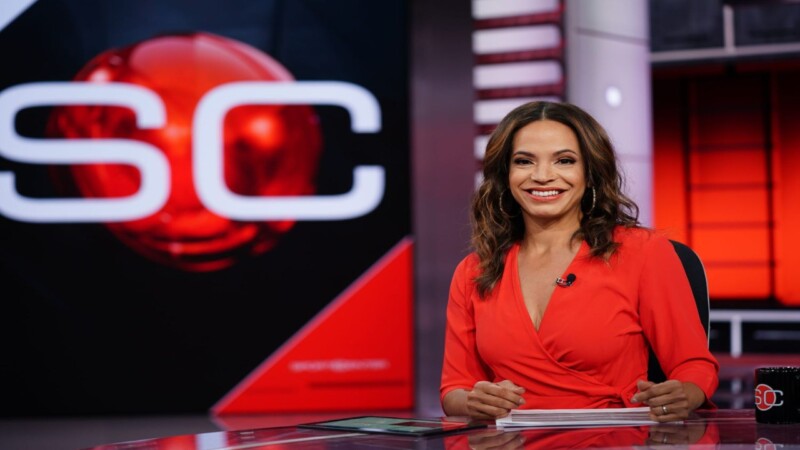
Elle Duncan is one of the most recognizable sports anchors in the United States. She has built a strong reputation at ESPN as a talented host, sharp commentator, and unapologetic voice in sports media. Recently, Elle Duncan made headlines after refusing to apologize for a so-called “crude” joke she made on air. Instead of backing down, she stood firm and confidently told critics, “I said what I said.”
This bold response sparked conversation online and reminded many why Elle Duncan has become such a powerful figure in sports broadcasting. In this article, we will explore who Elle Duncan is, her career journey, her unique personality on air, the recent controversy, and what her reaction reveals about her impact on sports media.
Who Is Elle Duncan?
Elle Duncan is a television host, reporter, and anchor best known for her work with ESPN. She was born in Atlanta, Georgia, and worked her way up through local media before reaching the national stage. Duncan is celebrated for her quick wit, charisma, and ability to connect with viewers.
Her journey to ESPN was not easy. She worked in radio, local TV, and regional sports coverage before earning her role at one of the biggest sports networks in the world. Today, she anchors SportsCenter, ESPN’s flagship show, and has become a trusted face for sports fans across America.
Elle Duncan’s Rise at ESPN
Duncan joined ESPN in 2016. Since then, she has become one of the network’s most popular anchors. She brings humor, personality, and fresh energy to her broadcasts. Unlike some traditional hosts who play it safe, Elle Duncan takes risks with her commentary. She uses her platform to highlight social issues, celebrate athletes, and speak her mind.
Her memorable interviews and viral clips have helped her build a strong connection with fans. Viewers appreciate her authenticity, and her refusal to sugarcoat her opinions sets her apart in the crowded world of sports media.
The Viral Joke and Backlash
The controversy began when Elle Duncan made a joke during a broadcast that some critics labeled as “crude.” The moment quickly spread across social media, sparking both criticism and support. While some viewers felt her humor crossed a line, many others defended her, arguing that her comment was lighthearted and harmless.
Unlike many public figures who issue quick apologies in response to backlash, Elle Duncan refused to do so. Instead, she doubled down and said she would not apologize because she meant what she said. Her now-viral statement “I said what I said” turned into a trending phrase and became part of the online conversation.
Why Elle Duncan Refused to Apologize
Duncan’s decision to stand firm reveals a lot about her character. In a world where public figures often feel pressured to walk back their statements, she chose to remain authentic. Her stance reflects her belief in free expression and her commitment to staying true to herself.
By not apologizing, Elle Duncan sent a message that not every joke or comment needs to be retracted to satisfy critics. She showed that confidence and self-respect can sometimes matter more than pleasing everyone.
Public Reaction
The public response was divided. Critics argued that her humor was unprofessional. Supporters praised her for refusing to bow to cancel culture. On platforms like Twitter and Instagram, fans used her phrase “I said what I said” to celebrate her confidence.
For many viewers, Elle Duncan became a symbol of strength, a woman in sports media who refused to let criticism silence her. This controversy only amplified her visibility and made her even more relatable to fans who admire authenticity.
Similar to Elle Duncan’s viral moment, Ducky Bhai’s apology for his online actions has also sparked wide debate.
The Bigger Picture: Women in Sports Media
Elle Duncan’s story is about more than one joke. It reflects the larger challenges faced by women in sports broadcasting. Female anchors are often judged more harshly than their male counterparts. What may be considered “bold” for a male host can be called “unprofessional” for a female anchor.
By refusing to apologize, Elle Duncan highlighted this double standard. Her confidence challenges the outdated idea that women in sports media must always play it safe. Instead, she proved that women can be bold, funny, and outspoken and still be respected.
Elle Duncan’s Unique Style
Part of Elle Duncan’s success is her style as a broadcaster. She blends humor, insight, and relatability in a way that keeps audiences engaged. Unlike anchors who rely only on stats and highlights, Duncan brings personality to every broadcast. She is not afraid to share personal stories, cultural perspectives, or strong opinions.
This approach has made her a fan favorite. Viewers feel like they know her, not just as an anchor, but as a real person. This authenticity is rare in sports media and is a big reason why Elle Duncan continues to grow in popularity.
Lessons from Elle Duncan’s Response
There are several lessons we can learn from Elle Duncan’s refusal to apologize:
-
Authenticity wins. Staying true to yourself builds trust with your audience.
-
Confidence matters. Owning your words shows strength and character.
-
Double standards exist. Women in media often face harsher judgment, but leaders like Elle Duncan push back against these norms.
-
Engagement grows from honesty. Viral moments happen when people recognize real emotion and authenticity.
Elle Duncan’s Impact Beyond ESPN
Beyond her role at ESPN, Elle Duncan is also admired for her work off-camera. She supports community causes, uses her platform to advocate for women and minorities in sports, and inspires young broadcasters. Her voice carries weight not only in sports conversations but also in broader cultural discussions.
Her refusal to apologize for her joke may seem like a small moment, but it represents something bigger: the idea that women in media can own their voices without fear.
Conclusion
Elle Duncan’s story reminds us why authenticity is powerful. She is more than just an ESPN anchor; she is a bold voice in sports broadcasting who refuses to back down. Her viral phrase “I said what I said” is not just a response to critics; it’s a statement of confidence, authenticity, and leadership.
By refusing to apologize, Elle Duncan sparked conversation about double standards, authenticity in media, and the role of humor in sports broadcasting. Whether you agree with her joke or not, her reaction proves why she is one of the most influential anchors in the U.S.