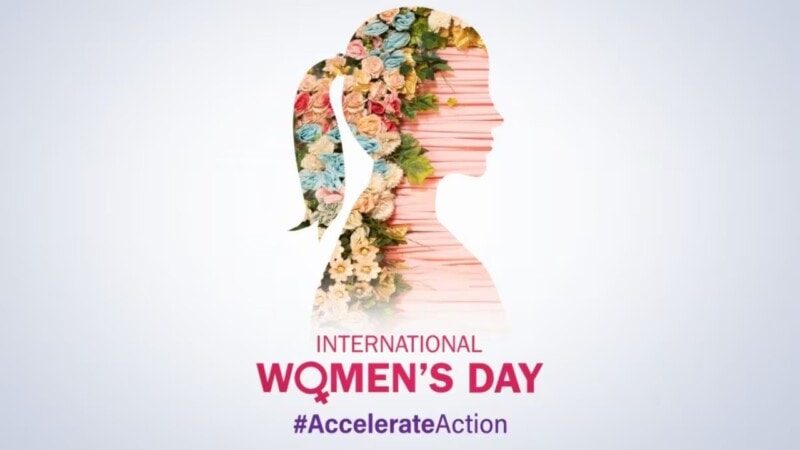
International Women’s Day 2025 is an important event celebrating women’s achievements and contributions worldwide. This global observation also aims to raise awareness about gender inequality and advocate for women’s rights. It is a day to honor women’s social, economic, cultural, and political progress while pushing for change in areas where gender equality has yet to be achieved.
In this blog post, we’ll explore the details of International Women’s Day 2025, including its date, theme, history, and significance. We will also explain why this day is crucial for women and society.
When is International Women’s Day 2025?
International Women’s Day 2025 is celebrated annually on March 8, which will fall on a Saturday in 2025. This year, however, is especially significant because it marks the 30th anniversary of the 1995 adoption of the Beijing Declaration and Platform for Action. This declaration is one of the most critical global agreements to advance women’s and girls’ rights. It serves as a framework for gender equality, legal protection, and access to services, among other things.
The Beijing Declaration revolutionized the approach to women’s rights worldwide. It helped shift outdated social norms and stereotypes while advocating for women’s involvement in decision-making processes. This anniversary adds to the importance of International Women’s Day 2025, making it a moment to reflect on how far we’ve come and how much further we still need to go.
The Theme of International Women’s Day 2025
Every year, International Women’s Day has a specific theme. In 2025, the theme is “For ALL Women and Girls: Rights. Equality. Empowerment.”
This year’s theme emphasizes the need for global action to unlock equal rights, empowerment, and opportunities for women and girls. It calls for recognizing and promoting women’s rights across all walks of life and focuses on creating a feminist future where everyone is treated equally.
According to the United Nations, this year’s theme underscores the importance of empowering young women and adolescent girls as catalysts for lasting change. The youth are the leaders of tomorrow, and their voices and actions can shape a future where gender equality is the norm.
A Brief History of International Women’s Day
The history of International Women’s Day dates back to the early 20th century. It began in response to labor movements that fought for better working conditions during the rapid industrialization in Europe and North America.
The first National Women’s Day was observed in the United States on February 28, 1909, following a call from the Socialist Party of America. Although this was not an international observance yet, it set the stage for global recognition of women’s struggles for equality.
In 1910, a German activist named Clara Zetkin proposed the idea of an International Women’s Day at a conference in Copenhagen. Her goal was to establish a worldwide day of unity for women’s rights. It mainly focused on issues like suffrage and labor conditions. In 1911, the first International Women’s Day was celebrated in multiple countries, including Austria, Denmark, Germany, and Switzerland. The movement spread quickly to other nations, and by 1917, it became established on March 8, when Russian women held a strike for “bread and peace.” This eventually led to the Russian Revolution.
The United Nations formally recognized International Women’s Day in 1975, making it a global observance. This recognition solidified the day’s significance and ensured that the fight for gender equality continued to have a platform on the world stage.
Why International Women’s Day is So Significant
International Women’s Day is not just about celebration but also a call to action. The day shines a spotlight on the ongoing struggles women face worldwide, including issues like gender-based violence, lack of access to education, and discrimination in the workplace.
One key goal of International Women’s Day 2025 is to raise awareness about gender inequality. While significant progress has been made in many areas, such as women’s rights in the workplace and education, serious gaps remain in many parts of the world. For example, women continue to face the gender pay gap and underrepresentation in leadership roles across various industries.
Gender-based violence is another critical issue that International Women’s Day highlights. The UN theme 2025 is “Empower Young Women to Advocate for Gender Equality.” By empowering women and girls, we can begin to change the cultural and societal norms that contribute to inequality and violence.
International Women’s Day also provides a platform to celebrate the incredible accomplishments of women throughout history. Women have made monumental contributions to society, from political leaders to artists, scientists, and activists. However, these achievements have often been overlooked or undervalued. International Women’s Day reminds us that women’s contributions are vital to global progress.
Celebrating International Women’s Day 2025
Events, discussions, and actions in cities and communities worldwide will mark International Women’s Day 2025. These events include rallies, panel discussions, social media campaigns, and educational programs. People will come together to celebrate women’s achievements and advocate for change.
If you’re planning to celebrate or participate in International Women’s Day 2025, here are some ideas:
-
Attend a local event: Many cities host rallies or protests to raise awareness about gender equality.
-
Support women-owned businesses: Show your support by buying from women-led brands or organizations.
-
Share your story: Use your social media platforms to share stories about women who inspire you.
-
Educate yourself: Learn about the history of women’s rights and the worldwide struggles women face.
Read More: Marvel Avengers Doomsday Concept Art: 5 Epic Updates Fans Need to Know