Mosquitoes are more than just annoying pests. They can carry serious diseases like malaria, dengue, and Zika virus. A mosquito bite may seem small, but it can lead to big health problems. That’s why using an effective mosquito killer is important for every home.
This blog covers everything you need to know about mosquito killers what they are, how they work, types, benefits, safety tips, and how to choose the best one for your needs.
What Is a Mosquito Killer?
A mosquito killer is a device or product designed to reduce or eliminate mosquitoes from your environment. It attracts, traps, or kills mosquitoes using various methods like light, heat, electricity, or chemicals.
Mosquito killers help lower the number of mosquitoes around you, offering relief from bites and reducing health risks.
Why You Need a Mosquito Killer
Mosquitoes may seem small, but they pose serious health and comfort issues. Using a mosquito killer is one of the most effective ways to reduce mosquito populations and protect your household.
Here’s why investing in a mosquito killer is essential:
Prevents Mosquito Bites
Mosquito bites can cause itching, redness, and irritation. In sensitive individuals, they may lead to allergic reactions or skin infections. A mosquito killer helps reduce the number of mosquitoes, minimizing the chances of bites indoors and outdoors.
Reduces the Risk of Mosquito-Borne Diseases
Mosquitoes are known carriers of life-threatening diseases like:
-
Malaria
-
Dengue
-
Zika virus
-
Chikungunya
-
West Nile virus
By eliminating mosquitoes from your environment, you lower the risk of catching these diseases, especially in tropical and humid areas where mosquitoes thrive.
Improves Sleep Quality
Mosquitoes are most active at night. Their buzzing and biting can disturb your sleep, leaving you tired and irritated the next day. A mosquito killer ensures a peaceful, uninterrupted night’s rest by keeping these pests away from your bedroom.
Creates a Safer Environment for Children and Pets
Children and pets are more vulnerable to mosquito bites and may react more strongly to them. Certain mosquito repellents may not be safe for use around them. A reliable mosquito killer offers protection without the need to apply chemicals directly to their skin.
Supports Outdoor Comfort and Activities
Whether you’re relaxing on your patio, having a BBQ, or camping, mosquitoes can ruin your experience. Using outdoor mosquito killers allows you to enjoy your time without constantly swatting insects or applying sticky repellents.
Even clean and well-maintained homes can become breeding grounds for mosquitoes, especially during the rainy season or in areas with high humidity. That’s why prevention is better than cure. A mosquito killer is a practical and long-term solution to keeping your home safe, comfortable, and mosquito-free.
Types of Mosquito Killers
There are several types of mosquito killers available today. Each works differently and suits different environments. Your choice should depend on the area you want to protect, the level of mosquito infestation, and your budget.
Electric Mosquito Killers
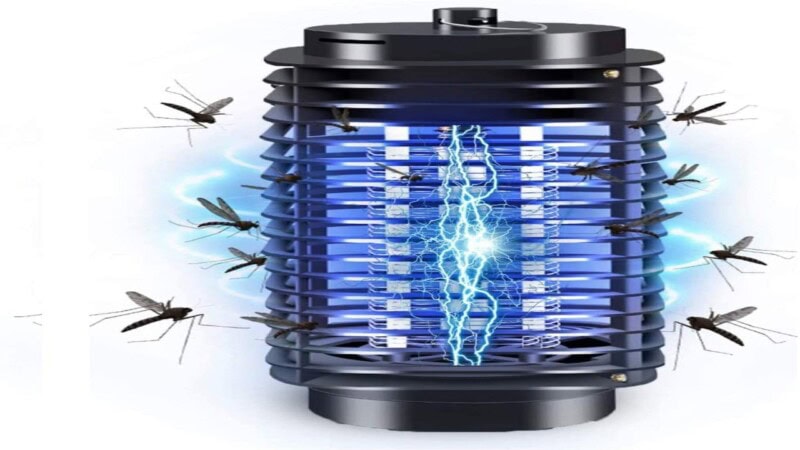
These devices attract mosquitoes using ultraviolet (UV) light. Once mosquitoes come close, an electric grid kills them instantly. They are commonly used indoors and in semi-covered outdoor spaces. These zappers are chemical-free and quiet but rely on electricity and have a limited coverage area.
Mosquito Traps
Mosquito traps use a combination of carbon dioxide (CO2), body heat, or scent to lure mosquitoes. Once they approach the trap, they are captured and eventually die. These are suitable for both indoor and outdoor use. They cover larger areas but may be more expensive and take time to reduce the mosquito population.
Mosquito Coils and Vaporizers
These options release chemical vapors into the air, either through burning coils or electric vaporizers. The vapors repel or kill mosquitoes in small rooms. They are affordable and easy to use, making them common in homes. However, prolonged use can affect indoor air quality, especially for people with breathing issues.
Mosquito Sprays
Sprays are quick-acting solutions that kill mosquitoes on direct contact. These are ideal for spot treatment in rooms or on surfaces. While sprays are effective instantly, their results are short-term and may need frequent reapplication. Overuse can also be harmful to health and the environment.
Ultrasonic Mosquito Repellers
These devices produce high-frequency sound waves that are said to disturb mosquitoes and drive them away. They are silent, chemical-free, and safe for indoor use. However, their effectiveness is still under debate, and results may vary depending on the space and mosquito species.
Natural Mosquito Killers
Natural options include essential oils like citronella or eucalyptus, mosquito-repelling plants, and homemade traps. These are safe for homes with children or pets and are environmentally friendly. While they may not eliminate mosquitoes entirely, they can offer mild and consistent protection in low-risk areas.
How Do Mosquito Killers Work?
Each type works differently:
-
Zappers: Attract mosquitoes with light and electrocute them.
-
Traps: Use carbon dioxide and scent to mimic human breath, then capture the mosquito.
-
Coils and vaporizers: Emit insecticides that either kill or drive away mosquitoes.
-
Ultrasonic devices: Disrupt mosquito behavior using sound waves.
-
Sprays: Kill mosquitoes instantly upon contact.
-
Natural methods: Repel mosquitoes without killing them, using smell or barriers.
Benefits of Using a Mosquito Killer
Using a mosquito killer offers many advantages:
-
Peaceful sleep without buzzing or itching
-
Health protection from dangerous mosquito diseases
-
Increased comfort during outdoor activities
-
Less use of harmful chemicals when using eco-friendly options
-
Better hygiene especially in tropical and humid regions
Safety Tips for Using Mosquito Killers
Always follow safety instructions to avoid harm:
-
Keep electric zappers away from children and pets
-
Don’t overuse chemical sprays indoors
-
Ventilate the room after using vaporizers or coils
-
Unplug devices when not in use
-
Store sprays and refills in a cool, dry place
-
Choose non-toxic options for sensitive groups like kids or asthma patients
Where to Use Mosquito Killers
To get the best results, it’s important to place your mosquito killer in the right location. Indoors, mosquito killers work best when placed in areas where people spend most of their time, such as bedrooms, living rooms, and kitchens. Positioning them near windows or doorways is also effective, as these are common mosquito entry points.
For outdoor use, mosquito killers should be placed in gardens, patios, or near standing water, which is where mosquitoes often breed. Setting them near entry points of the home can help prevent mosquitoes from coming inside.
It’s also important to avoid placing mosquito killers near fans or air vents, as strong airflow can reduce their ability to attract or trap mosquitoes effectively.
What to Look for When Buying a Mosquito Killer
Here are some things to consider:
Area Coverage
Small room or large outdoor space? Choose a device that matches the size of your space.
Power Source
Electric, battery, solar, or manual? Choose what’s convenient for you.
Safety
Go for non-toxic or child-safe options if you have kids or pets at home.
Ease of Cleaning
Traps and zappers should have removable parts for easy cleaning.
Noise Level
Some zappers or ultrasonic devices can be noisy. Check reviews before buying.
Price and Warranty
Balance quality with your budget. Look for brands that offer customer support and warranty.
Conclusion
A mosquito killer is not just a comfort item, it’s a health necessity, especially in mosquito-prone areas. Whether you prefer a high-tech zapper, a chemical spray, or a natural method, there’s an option for everyone.
Choose the right type based on your space, needs, and budget. Follow safety instructions and combine it with preventive practices for a mosquito-free home.
Frequently Asked Questions (FAQs)
Are mosquito killers safe for pets?
Many are, but always read labels. Avoid chemical-based ones near pets.
Can mosquito zappers be used outdoors?
Yes, but ensure they’re weather-resistant and placed in covered areas.
Do ultrasonic mosquito repellents really work?
Results vary. Some users find them helpful, while others notice no difference.
How often should I clean my mosquito zapper?
Clean weekly or as per the user manual to keep it working well.
Are natural mosquito killers effective?
They can help reduce bites but are best used with other control methods.
Read More: Aina Asif Biography 2025: Age, Family, Top Dramas & Rise to Fame