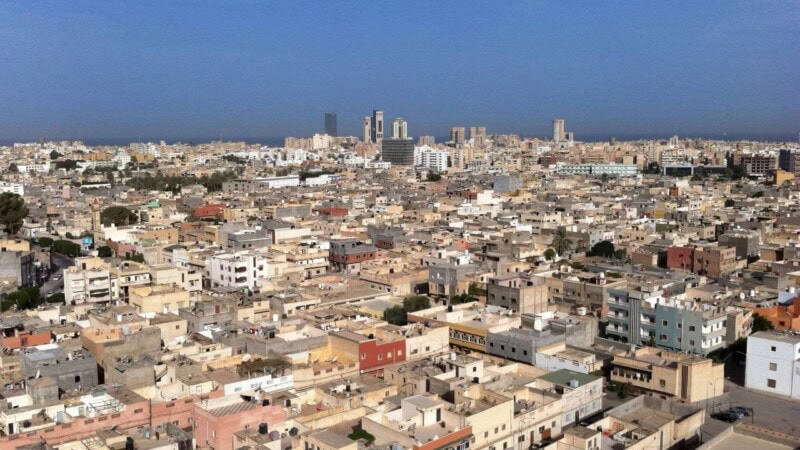
The city of Tripoli has long been a focal point in Libya, known for its rich history, economic significance, and strategic location. However, the current Tripoli crisis has put the city under global scrutiny, affecting both its residents and the broader geopolitical landscape.
Many people ask, “Where is Tripoli?” Located on Libya’s northwestern coast, Tripoli is the capital and the country’s largest city, serving as a political and economic hub. Once a thriving center for trade and tourism, Libya city Tripoli is now grappling with instability, economic challenges, and a deepening humanitarian crisis.
This article explores the roots of the crisis, its economic and social effects, and the possible future of Tripoli amid ongoing conflicts.
Understanding the Conflict
A History of Instability
The crisis in Libya city Tripoli is not new. Since the fall of Muammar Gaddafi in 2011, Libya has struggled with political fragmentation, leading to periodic outbreaks of violence. The country has been torn between rival governments, with Tripoli serving as the stronghold for the internationally recognized administration. Meanwhile, other factions, including militias, have fought for control, leading to ongoing power struggles.
Local and International Players
At the heart of the Tripoli crisis are multiple players, both within Libya and abroad. Locally, militias and armed groups wield significant influence, often clashing over resources and political power.
Internationally, countries such as Turkey, Russia, and Egypt have been involved, either supporting different factions or seeking to secure their own strategic interests. This foreign involvement has complicated peace efforts, making stability in Libya city Tripoli even harder to achieve.
Economic Challenges Amid the Crisis
Business Disruptions and the Impact on the New Tripoli Bank
One of the major casualties of the crisis has been the economy. Tripoli, once a bustling economic center, is now struggling with inflation, job losses, and business closures. The New Tripoli Bank, a major financial institution, has faced operational disruptions, making it difficult for residents and businesses to access financial services.
Many companies have either shut down or relocated due to the instability. The financial uncertainty has also led to a rise in corruption and black-market activities, further straining the economy.
The Fight for Survival
With an unstable government and a weakened financial system, daily life in Libya city Tripoli has become increasingly difficult. Prices for basic necessities have soared, and many residents struggle to afford essentials. The once-thriving oil industry, a key driver of Libya’s economy, has also been affected, leading to nationwide economic downturns.
Read Also: Rayo Vallecano vs Real Sociedad Ends in a Thrilling 2-2 Draw!
The Humanitarian Crisis in Tripoli
The Toll on Civilians
As violence escalates, civilians are bearing the brunt of the crisis. Many families have been displaced, forced to leave their homes due to ongoing conflicts. The lack of security in Tripoli has led to a rise in crime and kidnappings, further worsening the humanitarian situation.
Role of NGOs and International Aid
Several humanitarian organizations are working to provide aid, but access remains a challenge due to the unstable environment. Groups like the Red Cross and the UNHCR are providing food, medical assistance, and shelter to displaced families, but the need far exceeds the available resources.
Despite international efforts, the crisis in Libya city Tripoli continues to deepen, with thousands of people in urgent need of help.
The Future of Tripoli and Libya
Potential Resolutions and Peace Talks
While there have been attempts at peace negotiations, finding a lasting solution remains complex. International summits have been held to mediate between rival factions, but deep-rooted tensions and external influences make peace difficult to achieve.
Efforts are being made to strengthen Libya’s governance, but without stability in Tripoli, long-term progress remains uncertain.
The Role of Global Powers
Countries like the United States, France, and the United Nations continue to push for diplomatic solutions, but their success largely depends on whether local factions are willing to compromise. If a stable government can be established, Tripoli could once again become a thriving center for trade and development.
However, if conflicts persist, the crisis could worsen, leading to further economic collapse and humanitarian disaster.
Conclusion
The Tripoli crisis is a multi-faceted issue with deep historical roots, economic consequences, and humanitarian challenges. Libya city Tripoli, once a symbol of prosperity, is now facing one of its most challenging periods.
For those asking, “Where is Tripoli?”, the answer goes beyond geography—Tripoli is at the center of a battle for Libya’s future. As peace efforts continue, the world watches closely, hoping for a resolution that will restore stability and security to the region.
Would you like to explore more perspectives on Libya’s ongoing challenges? Check out our latest coverage on “Boat carrying Pakistani migrants sinks near Libya”, which discusses another aspect of Libya’s ongoing struggles.